Food poverty and diet-related disease deepen South Africa’s nutrition crisis
Millions of South Africans face limited access to diverse, nutritious food as diabetes, obesity and other diet-related diseases rise.
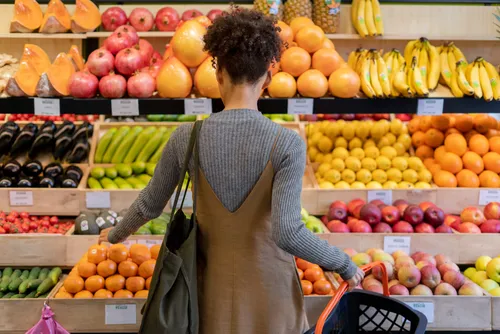
South Africa faces a dual crisis of food poverty and diet-related diseases, with households struggling to afford diverse, nutritious food while non-communicable diseases like diabetes spike. During National Nutrition Week, spanning October 9-15, data reveal that diabetes accounted for 6.1% of all deaths in 2024, an increase from 5.8% the previous year.
It was the leading cause of death among those aged 45-64, contributing to 7.9% of fatalities in that age group. Diabetes now affects 2.32 million South African adults aged 20-79, or 7.2% of the population. UNICEF reports that 23% of children under five experience severe food poverty, and 21% of children and adolescents aged five to 19 were overweight in 2022.
Nutrition expert Zeenat Simjee explains that financial and practical constraints often drive families to prioritize affordability and convenience over nutritional variety. Staple food-based meals may satiate hunger but lack essential nutrients like protein, fiber, and micronutrients. Simjee warns that children's developing bodies and brains require adequate nutrition, especially during the crucial first 1 000 days from pregnancy to a child's second birthday.
South Africa grapples with a triple burden of malnutrition, where undernutrition and micronutrient deficiencies coexist with overweight, obesity, and diet-related diseases. Nutritionist Simjee emphasizes that the issue lies not in individual foods but in dietary patterns where energy-dense, nutrient-poor foods crowd out healthier options.
The National Department of Health acknowledges the importance of affordable, nutritious food in preventing non-communicable diseases, citing unhealthy diets as one of five major modifiable risk factors. They plan to address affordability and better food choices through interventions like sodium reduction, control of trans fats, food fortification, nutrition education, and promoting healthier food environments.
Despite education's role, structural barriers significantly influence food choices. The upcoming National Dietary Intake Survey 2022 will offer updated insights into dietary patterns and nutritional status across socioeconomic groups. Dr. Karen Heath of The Noakes Foundation cautions against reducing National Nutrition Week to a set of individual rules.
She stresses the need to make nutritious food more accessible and affordable, improve trust in nutritional information, and take chronic disease prevention seriously. The foundation will host the World Nutrition Summit in Cape Town from October 14-16 to address nutrition research, clinical practice, and policy. Professor Tim Noakes urges scientific progress through challenging questions and openness to changing perspectives.
Written by urgent.news from IOL's reporting — not their text. Machine-written — may contain errors; check the original before relying on it.