Continuous Glucose Monitors (CGMs): How the Small Patch Is Revolutionising Blood Sugar Control
Managing blood sugar has traditionally relied on finger-prick blood tests, offering a brief snapshot of glucose levels at a single […]
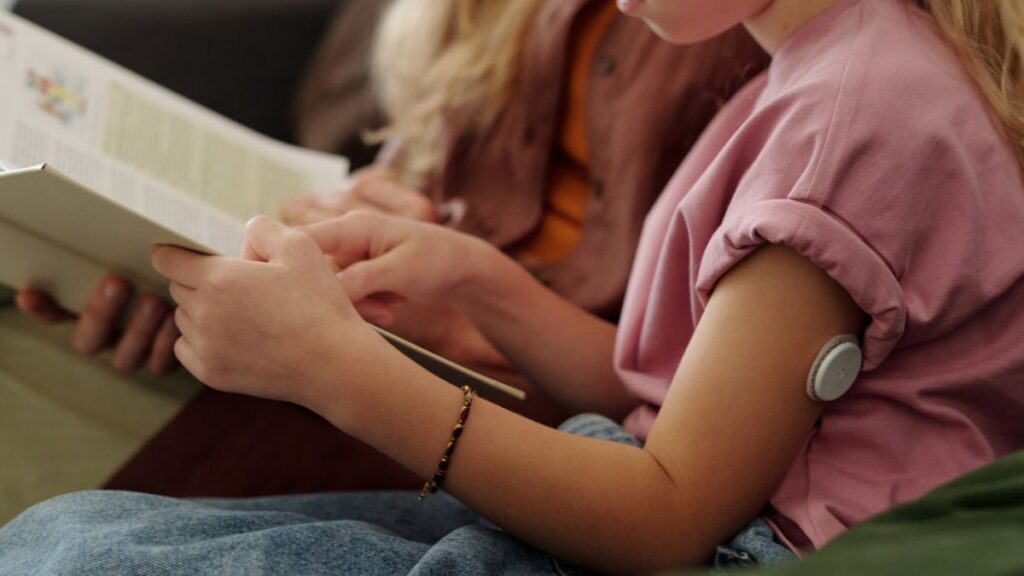
Continuous Glucose Monitors (CGMs) are revolutionizing blood sugar control for people with diabetes and beyond. These small patches, worn on the arm, continuously monitor glucose levels without the need for frequent finger-prick tests. Unlike traditional blood sugar tests, CGMs provide real-time trends and low blood sugar alarms, offering comprehensive data beyond standard HbA1c tests.
CGMs consist of a tiny sensor attached to the back of the upper arm, measuring glucose levels in the fluid around body cells. The sensor can transmit information to a smartphone or small reader, allowing users to scan or receive automatic updates. Most sensors remain in place for 10-14 days before replacement.
Traditional finger-prick tests offer a snapshot of blood sugar at a single moment, while CGMs reveal glucose trends over the past few hours. This information is crucial for managing type 1 and certain type 2 diabetes, as it helps individuals understand how their bodies respond to food, exercise, and medication. CGMs can also alert users if their blood sugar levels are falling too low (hypoglycaemia), which can be especially useful during the night when symptoms may go unnoticed.
CGMs offer a more detailed picture of blood sugar control than HbA1c tests, which provide an average of blood sugar levels over two to three months. This detailed information can help doctors better assess how well a person's diabetes is being managed. While CGMs are valuable monitoring tools, they are not diagnostic tests and should not be used to self-diagnose diabetes. Consult a doctor for proper testing and guidance.
Written by urgent.news from Euro Weekly News's reporting — not their text. Machine-written — may contain errors; check the original before relying on it.