Employers’ Association urges Government to build fiscal buffers, reform taxes in 2027 Budget
The Ghana Employers’ Association (GEA) has called on the government to introduce measures in the 2027 Budget to build fiscal buffers against global economic and geopolitical uncertainties while implementing comprehensive tax reforms to strengthen local businesses.
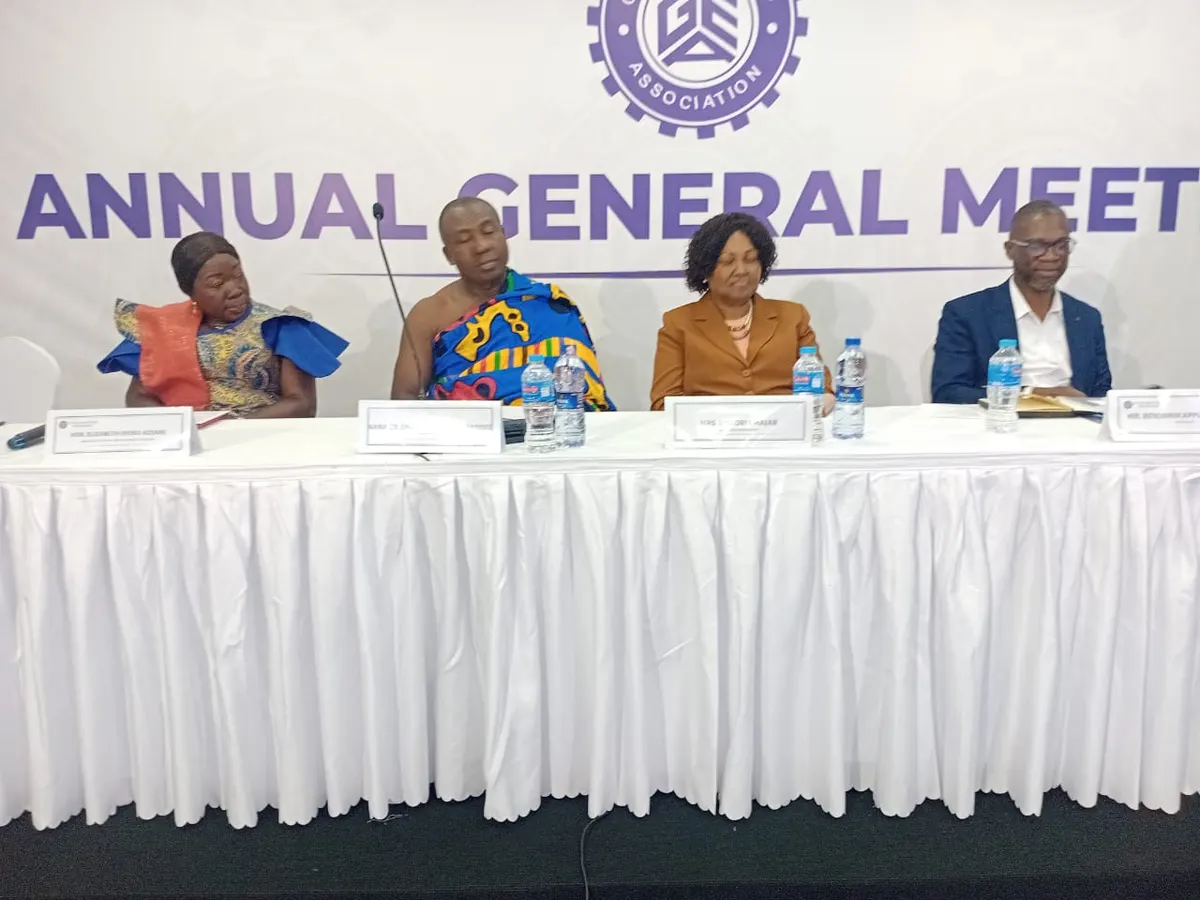
The Ghana Employers’ Association (GEA) has urged the government to include fiscal buffers, tax reforms, and constructive dialogue in the 2027 Budget to safeguard businesses amidst global economic and geopolitical uncertainties. The GEA emphasized the need for predictable fiscal policies, a competitive tax regime, and strong cooperation between employers and organized labor during its 66th Annual General Meeting in Accra.
They commended the government’s efforts to maintain macroeconomic stability but stressed the necessity of additional measures to protect businesses and support economic recovery. The GEA highlighted the importance of building financial reserves to withstand external shocks, particularly those stemming from geopolitical tensions and disruptions in global markets.
They also pushed for comprehensive tax reforms and targeted incentives to enhance competitiveness and encourage business expansion. The organization noted that businesses require stable and predictable policies to make long-term investment decisions, especially in technology, machinery, and other productive assets. A policy predictability compact between government and the private sector was proposed to facilitate meaningful consultations on major business-related policies before implementation.
The GEA expressed concern over the persistent labor unrest, warning that prolonged industrial disputes could negatively impact productivity, disrupt business operations, and discourage investment. They called for prioritizing dialogue and good-faith negotiations in resolving workplace disagreements under a tripartite framework. Additionally, the GEA advocated for a national policy on human-centred automation and the future of work to ensure that emerging technologies are adopted while preserving the role of workers in critical occupations.
They emphasized the need for a coordinated approach to technological change and labor relations to help businesses adapt to emerging trends without compromising workers’ interests or economic stability. The Minister of Trade, Industry and Agribusiness, Ofosu Agyare, acknowledged the concerns raised by the GEA and reaffirmed the government’s commitment to supporting businesses through initiatives aimed at boosting opportunities and expanding market access for Ghanaian enterprises.
Written by urgent.news from 3News's reporting — not their text. Machine-written — may contain errors; check the original before relying on it.