Dubai’s underground transport revolution: How the city will change
Dubai: Imagine a future Dubai where passengers travel through high-speed underground tunnels, goods and services move beneath busy streets, driverless vehicles navigate roads above, and flying taxis carry commuters across the city in minutes. This vision of a three-dimensional transport network is taking shape as Dubai prepares for a major transformation in how millions of residents, workers and…
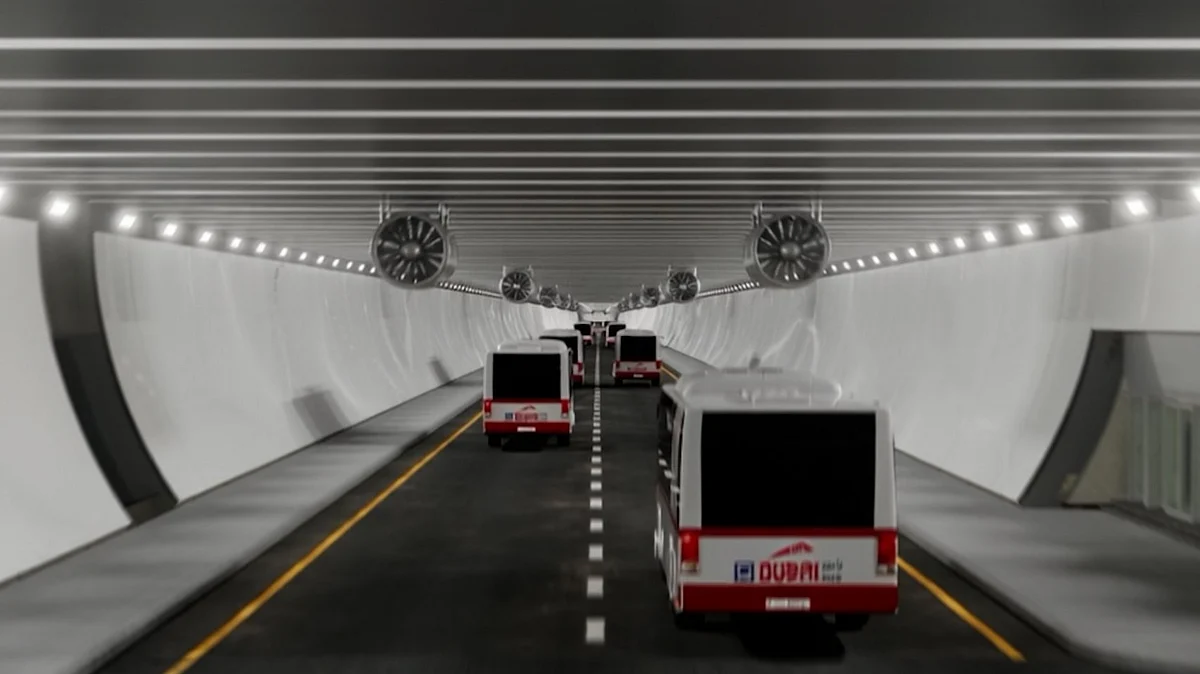
Dubai is on the cusp of a revolutionary transformation in urban mobility, with plans to create an interconnected transport system spanning three dimensions: underground, on ground, and in the sky. The visionary concept envisions a network of high-speed underground tunnels carrying passengers, goods, and services while reducing congestion on the city's busy surface roads.
At the helm of this ambitious project is the Dubai Roads and Transport Authority (RTA), which is exploring the potential of underground infrastructure to accommodate an integrated transport system. The initiative builds upon existing developments, such as the Dubai Loop, Dubai Metro Blue Line, and the recently announced Dh34 billion Dubai Metro Gold Line.
Mattar Al Tayer, Director General and Chairman of the Board of Executive Directors of RTA, outlined the long-term vision during the Mohammed bin Rashid Leadership Forum 2026.
The proposed underground network could potentially shift some transport activities from congested surface roads, creating opportunities for more pedestrian-friendly neighborhoods and efficient use of land above ground. The idea of an integrated underground system extends beyond traditional road tunnels or underground railway stations, envisioning the space beneath the city as an additional layer of urban infrastructure.
One of the projects illustrating Dubai's underground ambitions is the Dubai Loop, a tunnel-based transport system being developed in partnership between RTA and The Boring Company. While the project is still under study, it aims to provide an alternative to surface-level travel in select high-demand areas, offering direct links between destinations and potentially bypassing some of the city's busiest roads.
The impact of Dubai's underground transport ambitions could be far-reaching, affecting how residents organize their daily lives, the design of public spaces, and even the way businesses approach urban logistics and deliveries. As the city prepares for this major transformation, the focus remains on creating a seamless and efficient mobility network that anticipates the needs of a rapidly expanding population and economy.
Written by urgent.news from Gulf News's reporting — not their text. Machine-written — may contain errors; check the original before relying on it.