DHS Inspector General Finds That TSA is Not Properly Safeguarding Passenger Facial Recognition Data
EFF legal intern Gabrielle Ladun was the principal author of this post. The Department of Homeland Security Office of Inspector General (DHS OIG) has published a summary of findings from its audit of the Transportation Security Administration’s (TSA) facial recognition technology. While the detailed findings are classified, the summary states that the OIG’s audit uncovered a “significant…
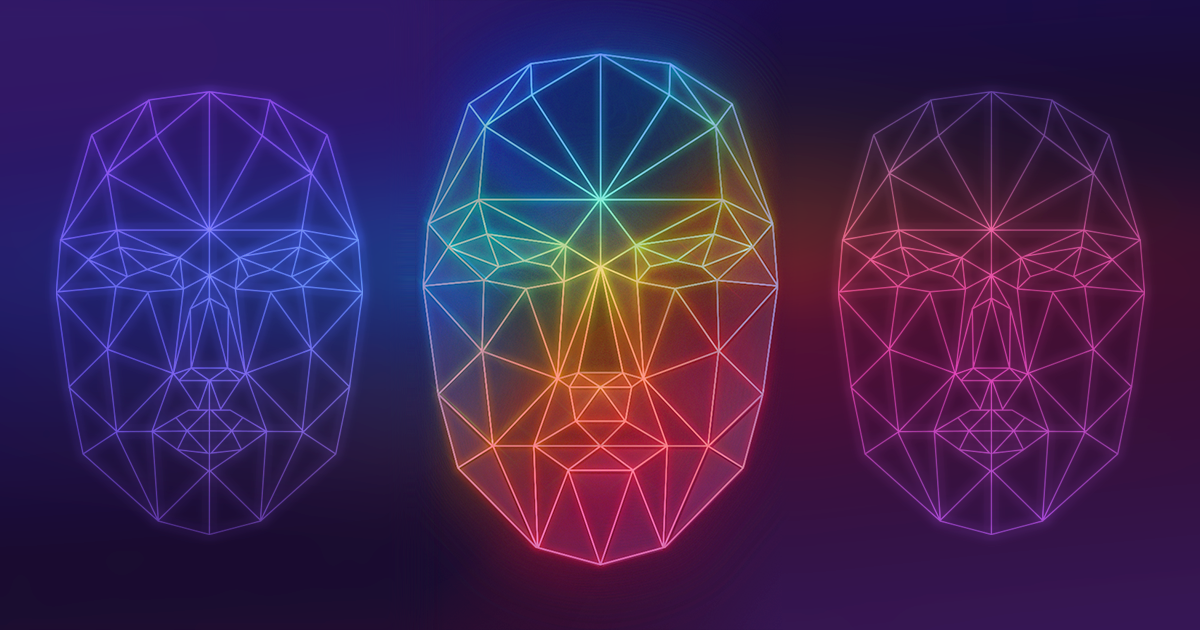
The Department of Homeland Security's Office of Inspector General (DHS OIG) has released a summary of its audit into the Transportation Security Administration's (TSA) use of facial recognition technology. The findings, though classified, indicate a "significant weakness" in the system's capacity to safeguard passengers' personal data. This has serious privacy implications for the millions of travelers who lack the option to opt-out of the TSA's biometric surveillance.
The TSA employs facial comparison technology to authenticate airline passengers' identification against their live photos, captured via camera. Despite TSA's stated commitment to protecting traveler privacy, the audit revealed that the CAT-2 vendor responsible for the technology was able to access and extract sensitive information, including driver's license and passport images, during system maintenance, unbeknownst to TSA.
Moreover, the audit found that TSA lacked clear policies, failed to track data extraction, could not confirm the proper deletion of the extracted information, and did not notify passengers when their biometric and biographic data might have been stored. While TSA maintains that they protect passenger privacy, the audit highlighted that this was not always the case, due to weaknesses in vendor oversight.
The OIG issued one finding and three recommendations to improve oversight, transparency, and the handling of passenger data. TSA agreed with all three recommendations, but only two have been resolved, while one remains unresolved. The EFF, which has long opposed the use of facial recognition technology by the government, believes these issues need to be addressed.
They caution that the technology poses risks of unsecured data, unauthorized access, and data breaches. Furthermore, the biometric data collected is not error-free, with instances of innocent individuals being wrongly identified and arrested. Given these flaws and the potential for mass surveillance, the EFF urges travelers to remember they have the option to decline having their photo taken for facial comparison checks.
Rewritten by urgent.news; may contain errors — check the original.
Source: eff.org