Dan Neidle: too many of our taxes make no sense
We spend a lot of time talking about tax as a revenue raiser and far less time asking whether the taxes themselves make any economic sense. We rarely think seriously about how the design of the tax system itself can encourage or inhibit growth, says Dan Neidle Britain’s demographics are brutal. Spending on health and [...]
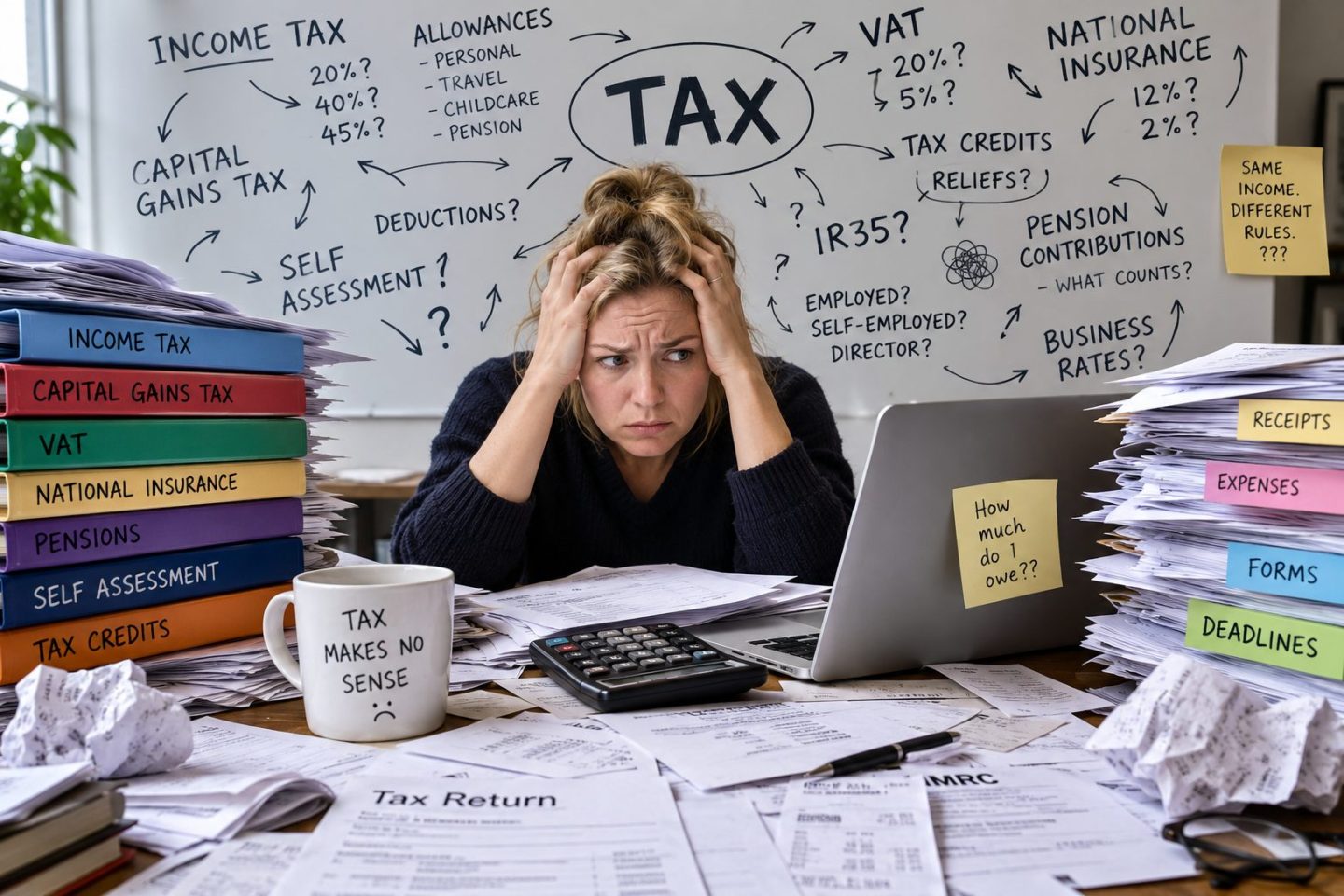
Dan Neidle, a UK-based economist, argues that many of our taxes do not make economic sense. He points out that our demographics, particularly the rising costs of health and pensions, necessitate either substantial tax increases or cuts to welfare and public services. However, neither option is appealing, leaving growth as the only viable path forward.
Neidle contends that tax should be viewed not just as a revenue raiser but also as a tool that can either encourage or inhibit growth. He criticizes the UK's tax system for being overly complex, with rules that are difficult to understand and navigate. Simplifying the system could save the Treasury money without compromising its effectiveness.
Neidle also highlights the issue of unpaid taxes, particularly from small businesses, which amounts to an estimated £30bn to £48bn annually. He suggests that before implementing new tax measures, we should first understand why this revenue is not being collected. Furthermore, Neidle discusses the personal taxation system, where earning more can sometimes result in higher effective tax rates due to the withdrawal of certain benefits like child benefit and personal allowances.
He argues that this discourages economic activity and suggests a more straightforward tax system to incentivize work and investment. Capital gains tax is another area where Neidle sees room for improvement. He points out that gains from inflation are taxed, which discourages investment and makes it easier to avoid tax by holding assets until they are inherited.
He suggests a system that supports investment without providing numerous opportunities to avoid tax. Neidle also advocates for extending full expensing for businesses, which would allow them to deduct more of their investment costs upfront. He believes this approach has been proven to encourage investment more effectively than smaller tax breaks.
Income tax and national insurance, two separate taxes on earnings, are also areas Neidle believes could be streamlined. He questions the rationale behind having separate taxes based on employment status and suggests merging them for simplicity. Employer national insurance, a tax on employing people, could potentially be shifted elsewhere, but this requires careful consideration to ensure employees still benefit.
Property taxation is another area ripe for reform. High stamp duty land tax discourages people from moving homes, reducing labour mobility and forcing individuals to stay in unsuitable properties due to the tax penalty. Neidle proposes replacing stamp duty with an annual property tax as part of a broader reform of council tax and business rates.
Lastly, he addresses VAT, noting that the current £90,000 registration threshold discourages small businesses from expanding. He argues that VAT should be adjusted to encourage growth rather than stifle it. Neidle concludes that tax reform is essential for any new economic model, but it does not necessarily mean lower taxes are always better.
Some reforms would raise revenue, others would cost money, and some could be designed to be revenue-neutral.
Written by urgent.news from City AM's reporting — not their text. Machine-written — may contain errors; check the original before relying on it.