Cornell’s Fraternity Party Suspension Draws Calls for Broader Reform
Students and professors tell TIME the pause is a worthwhile step, but falls short of the changes they want from the school's administration.
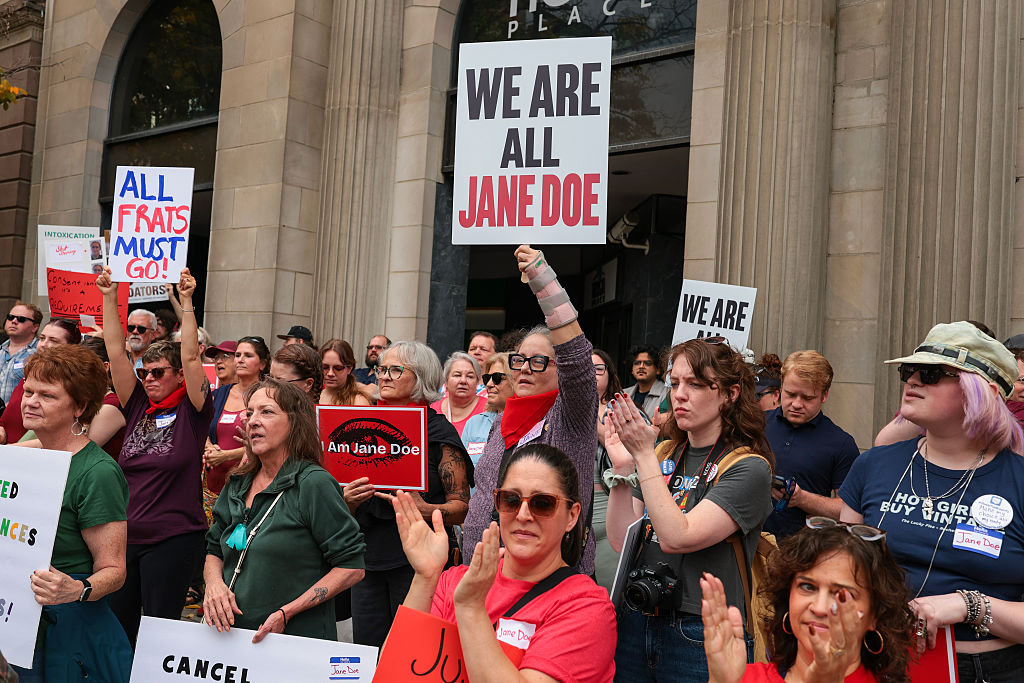
After weeks of pressure on Cornell's administration, students and professors are questioning whether the university is doing enough to address sexual assault on campus in the wake of an alleged gang rape by fraternity members. Protests and discussions have surfaced calls for broader reform, with students demanding the revocation of degrees from accused fraternity members, independent hearings, and an external review of the university's handling of the case.
Measures announced by the university as part of their "strengthen campus safety" efforts included a ban on fraternity houses hosting parties or social events for the rest of the academic year, increased staffing in the Office of Civil Rights, collaboration with New York State Police for trauma-informed criminal investigations, and improved bystander education. Cornell President Michael Kotlikoff acknowledged that the school had "fallen short" and noted that an independent review was launched by the Board of Trustees.
However, students remain unsatisfied with the response, with many feeling that the administration is deflecting responsibility. Cornell is currently accused of being negligent when the incident was initially reported in 2024. Jane Doe, who accuses seven men of rape, also filed a lawsuit against Cornell for violating New York law.
The school stated that they acted in accordance with federal law and initiated Title IX proceedings upon receiving Jane Doe's report of the alleged assault in late 2024. After an investigation in early 2025, a panel of trained faculty and staff heard evidence over multiple days, ultimately applying a range of sanctions to the accused students, including expulsions and suspensions.
Cornell's Chi Phi chapter was closed in 2024 and remains barred from campus. Cornell claims that the New York State Police will interview survivors who elect to pursue criminal charges and prepare comprehensive investigative summaries for the appropriate law enforcement agency throughout the duration of the independent review.
Rewritten by urgent.news; may contain errors — check the original.
Source: time.com