Convenience store count forecast to triple to 30,000 by 2030
Vietnam is expected to have around 30,000 convenience stores by 2030, three times the current number, as demand grows for quick and convenient shopping, according to a recent forecast.
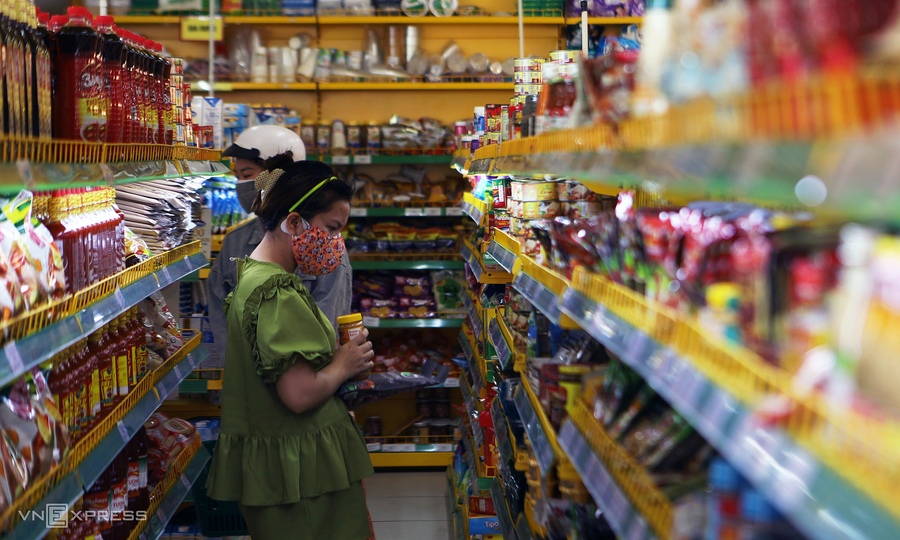
The convenience store market is expected to expand significantly by 2030, with the number of minimarts projected to triple from the current 10,000 to 30,000, according to Chinh Pham, head of the market expert team at the Business Studies and Assistance Center. This growth is driven by the need for quick and convenient shopping among urban residents, who now opt for convenience stores over traditional markets in the evenings for post-work meal preparation.
Pham notes that consumers are increasingly mindful of waste reduction, leading to a decrease in fresh food stock in household refrigerators, which has contributed to the appeal of convenience stores. A recent online survey conducted by Q&Me in HCMC and Hanoi revealed that 81% of consumers choose convenience stores due to their proximity to home or work, while 28% were drawn in by their convenient operating hours.
In response to this demand, convenience store chains are broadening their reach to suburban and rural areas, targeting future growth while benefiting from lower costs for premises. Despite the emergence of foreign competitors, domestic chains continue to hold strong market positions. Local brands like WinMart+, Bach Hoa Xanh, Co.op Food, and Satrafoods are anticipated to maintain their dominant status.
The convenience store boom is contributing to the modern trade's increase in market share from the current 16% to an estimated 20% by 2030, while traditional channels are projected to decline from 68% to 60%. According to Dinh Cong Tri, senior director of business strategy at market analysis firm TT Group, traditional channels are adapting to changing consumption patterns and upgrading, particularly in the grocery segment.
Larger family-run grocery stores, which constitute 20-30% of outlets, are expected to enhance their share of sales value to 20%. These stores benefit from larger spaces, efficient inventory management, and the capacity to generate higher-value purchases. Tri highlights a notable change in the demographic of store owners, with people in their 30s and 40s increasingly taking over from older shopkeepers or establishing new stores.
These new owners are well-versed in technology, employing inventory management software, setting up Zalo and Facebook groups for neighborhood order collection, and even livestreaming their operations. Consequently, traditional grocery stores are transitioning from solely offline outlets to hybrid models that combine in-store and online sales, paving the way for new growth opportunities.
Written by urgent.news from VnExpress Business's reporting — not their text. Machine-written — may contain errors; check the original before relying on it.