Contratto bancari, rinnovo in salita. Il 21 ottobre Abi riunisce il direttivo
Nell’incontro dedicato a benessere e welfare affrontati 120 punti, molte richieste dei sindacati respinte. Per le 5 sigle mancano risposte chiare. Sileoni (Fabi): «Se non arriveranno, ci saranno risposte energiche»
Negotiations for the renewed collective contract of Italian banking employees have not progressed as desired, especially by unions, who see the road ahead as uphill. At yesterday's Fabi General Secretary, Lando Maria Sileoni's meeting, extraordinary operations are slowing down the negotiation, says the union representative. "Banks are trying to take time and fail to give responses to individual issues," she continues.
The agenda items were supposed to be organizational well-being and welfare, on which unions presented very specific demands in their platform, which marked the starting point of the negotiation. Out of 120 points, many requests were rejected, especially those to overcome the regulation. According to union sources, these clarifications are not yet useful for starting the discussion that failed to delve into the reasons behind the responses.
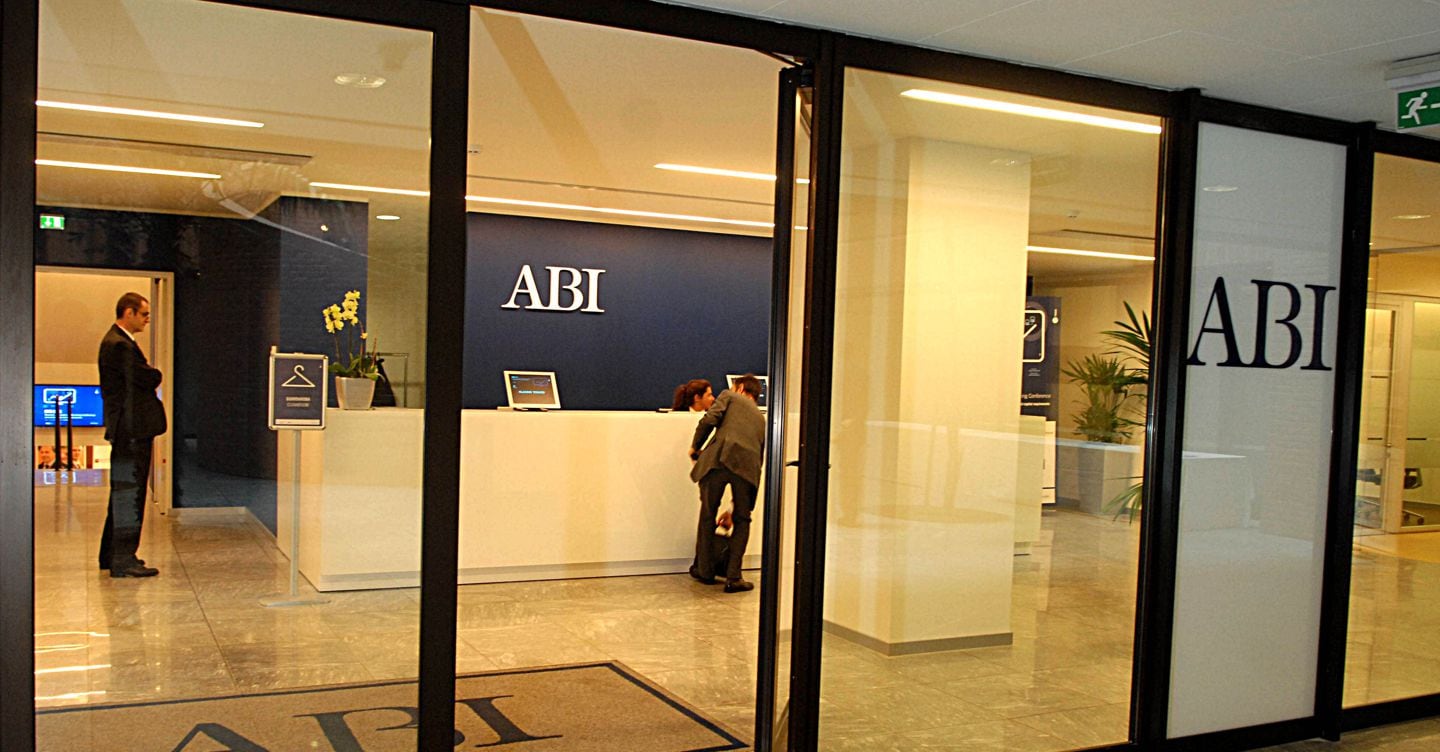
A new meeting, scheduled for October 26, might bring further developments. On October 21, an Abi Board of Directors' meeting was called to give a path mandate to the Committee for Trade and Labor Affairs, led by Ilaria Maria Dalla Riva. This is the first time all members are invited, signaling a willingness to value the plurality of positions and the participation of everyone.
Once the path mandate is defined, the negotiation may take a different direction. Renewing the contract, which expired on March 31, covers 260,000 banking employees. On bank welfare, which unions themselves recognize as one of the most advanced, the request is to homogenize conditions. This is a broad matter and not easy to summarize, especially because there are services like daycares that cannot be imposed as structural or simply.
Regarding pay transparency, Abi's Casl explained that it will refer to European regulation and there are no spaces for modification, while on the annual sector information, provided by Article 14, which informs unions about strategic perspectives, there is an opening to more quantitative elements. On sustainability reporting, the request for it to be mandatory has not met the consensus of banks, who mention possible reinforcement but not obliquity.
On part-time work, there is a union demand to strengthen it, to which banks have made openings to improve the law, but only for certain cases to identify. Also on disciplinary measures and their timing, Abi and unions have discussed at length about the need to shorten times that depend not only on companies but also on the complexity of investigations.
Beyond the meeting, Sileoni explained that it is necessary "to know what contract the banks intend to sign, what model of bank they have in mind for the coming years and what role they want to recognize for workers and employees. We cannot continue to discuss individual issues without knowing the direction the counterparty intends to take.
If no clear answers arrive, we will be forced to take energetic positions." The agenda proposed by Abi plans for each meeting (already two are scheduled, on October 26 and 29) to focus on a specific issue. However, for Sileoni, this method does not work. "The national contract is not a set of chapters to examine one by one, without a comprehensive project.
It is the instrument with which rights, guarantees and working conditions of an entire category are defined. And on this we demand clarity." Critiques are widespread. Riccardo Colombani of First Cisl asks Abi for a "change of pace," Fulvio Furlan of Uilca calls the banks' approach "myopic on such important and central issues," Susy Esposito of Fisac awaits "the direction Abi intends to give to the negotiation," while Luca Pinton of Unisin Confsal talks of "a negotiation without vision for the category."
Written by urgent.news from Il Sole 24 Ore's reporting — not their text. Machine-written — may contain errors; check the original before relying on it.