Scale back on hake and coley, seafood charity tells shoppers
Declining stocks and increased fishing pressure have led to lower sustainability ratings for two popular cod alternatives UK shoppers have previously been urged to avoid UK-caught cod and to buy European hake or coley instead – but now these fish are in trouble, too. The Marine Conservation Society (MCS), an environmental charity, publishes its Good Fish Guide to help consumers and businesses…
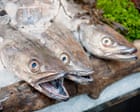
The Marine Conservation Society (MCS) – a UK environmental charity – has issued a warning that popular seafood alternatives, hake and coley, are now facing sustainability concerns. The MCS's Good Fish Guide, which rates seafood according to the health of fish stocks and environmental impact, has downgraded the ratings for European hake from green to amber and coley from amber to red, the latter being the worst rating – indicating that it is a "fish to avoid".
Kerry Lyne, the Good Fish Guide manager, explained that the status of fish stocks is constantly changing, and a fish that was once a good choice may no longer be so today. UK consumers primarily consume a handful of seafood species, known as the big five – cod, haddock, salmon, tuna, and prawns, which puts considerable pressure on these wild stocks.
Cod populations have been in decline since 2015, primarily due to overfishing, along with changing sea temperatures and other ecosystem pressures affecting breeding and juvenile survival. To alleviate this pressure and promote ocean-friendly choices, the MCS suggests wild-caught sea bass from around the UK as a suitable alternative to cod.
The MCS regularly updates its Good Fish Guide, with the latest review noting 29 downgrades and 11 upgrades. However, there is some positive news; UK Atlantic bluefin tuna, which has shown a significant population recovery, now has a green rating. This resurgence can be attributed to better fisheries management implemented over 20 years ago.
Chris Graham, head of ocean regeneration and sustainable seafood at the charity, emphasized the need for close monitoring of this iconic species to ensure its continued improvement in the UK population. Additionally, Lyme Bay "disco-pot" scallops have been rated amber, thanks to their new LED lighting technology, which has a reduced impact on the seabed compared to traditional dredging.
Written by urgent.news from Guardian Business's reporting — not their text. Machine-written — may contain errors; check the original before relying on it.