Colombia’s New Surrender Law Targets Armed Groups
The government of Colombian President Abelardo de la Espriella has introduced a bill in Congress on surrendering to the justice system that seeks to replace the Total Peace policy promoted by his predecessor, Gustavo Petro. The initiative proposes a fundamental shift in the strategy toward guerrillas, criminal organizations and armed groups by prioritizing disarmament, the […]
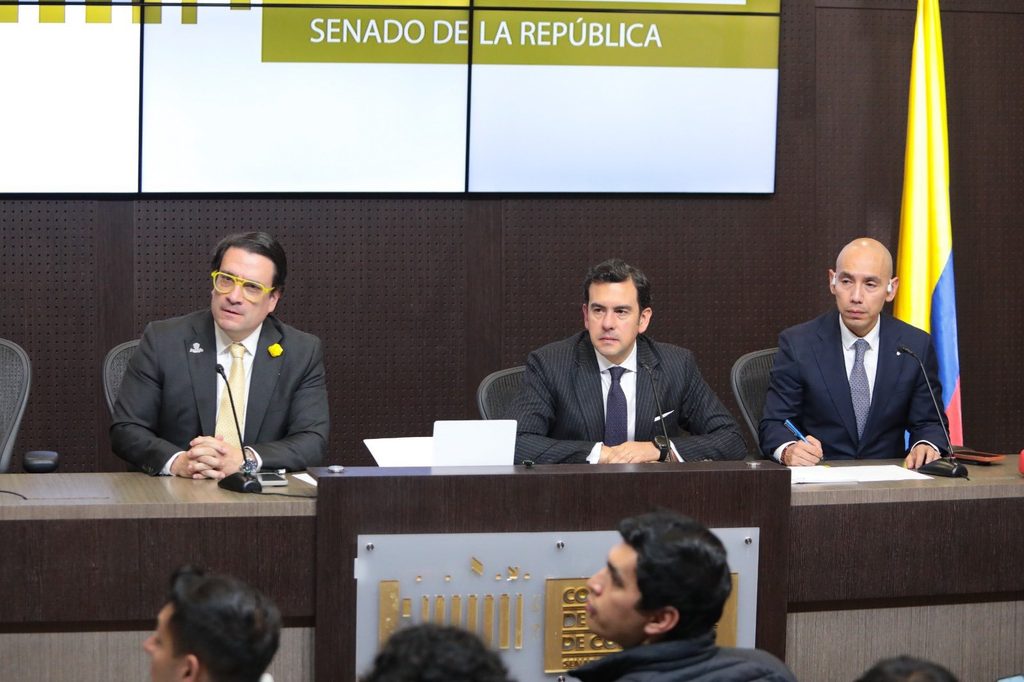
President Abelardo de la Espriella presented a new bill in Congress that proposes replacing Colombia's "Total Peace" policy with a surrender-oriented approach for armed groups. Interior Minister Rodrigo Lara and Justice Minister Ivan Cancino introduced the bill, emphasizing the aim to establish a legal framework for disarming and surrendering to the justice system.
The government seeks to shift focus away from political negotiations and toward disarmament, asset surrender and cooperation with authorities. Key differences from Petro's policy include a stricter framework for illegal armed or terrorist actors, with potential sentence reductions of up to 50% for cooperation. Benefits include information sharing related to drug trafficking, corruption and criminal networks, as well as demining and reintegration assistance for minors.
The new law prohibits negotiation with illegal groups while aiming to regain territorial control and dismantle criminal economies. Victims' participation in decisions on judicial benefits will be considered, and warrants and extradition requests will not be suspended during the surrender process. The bill now awaits legislative approval.
Rewritten by urgent.news; may contain errors — check the original.
Source: colombiaone.com