Who really deserves a pass mark?
With youth unemployment affecting almost half of South Africans aged 15 to 34, job creation should be central to local election debates.
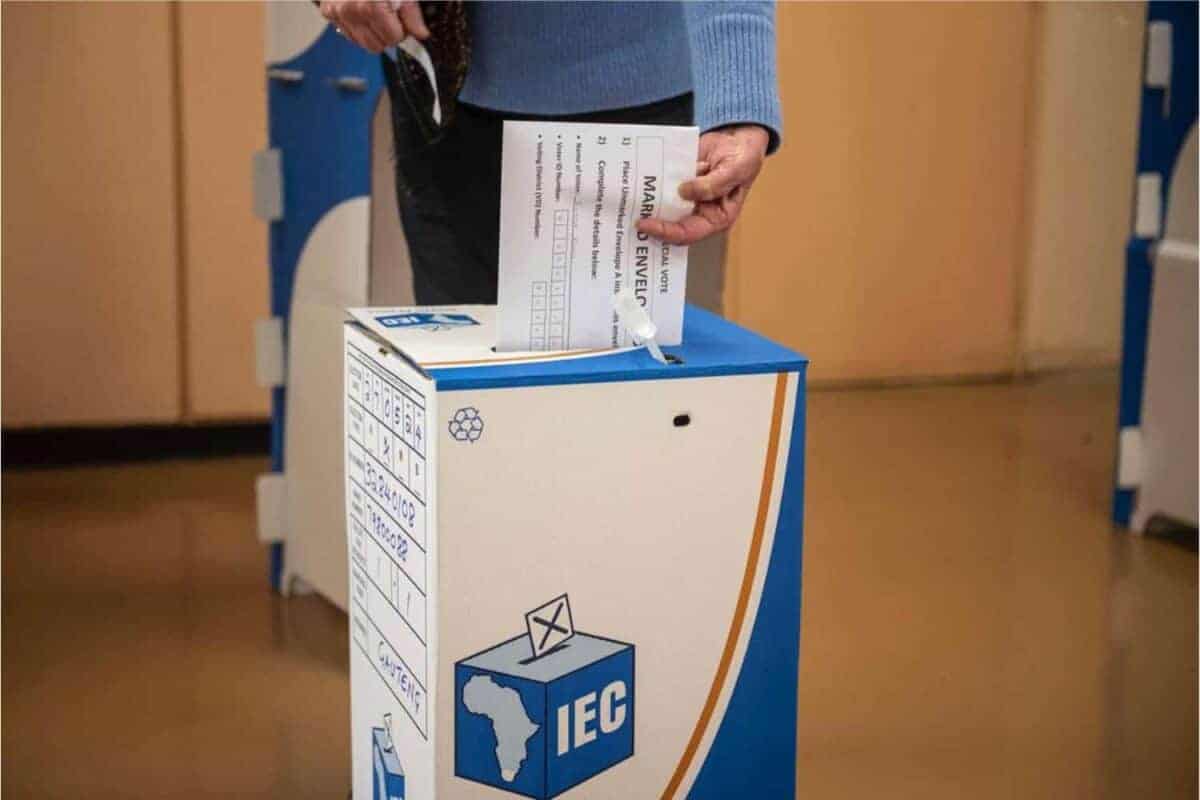
The jacaranda trees in Johannesburg and Pretoria have begun to bloom, signaling the end of the school year. For students in the class of 2026, it's already too late to start preparing for their matric finals. Simultaneously, local government elections are set to commence, with party agents and even secretaries-general keen to demonstrate their organizational abilities.
Interestingly, a majority of eligible voters do not directly influence election outcomes; rather, it's just a matter of having 50% of those who show up to cast their ballots. This disparity is mirrored in the realm of education, where a bachelor's degree pass, though lacking distinctions, is often considered acceptable. Even more concerning are higher certificate passes, which raise questions about the standards required for entering local government positions.
The dropout rate between primary school and matriculants is a significant issue, and the situation worsens as students prepare for their final exams. However, the real challenge lies ahead, as many graduates face an unemployment rate that is almost double the global average. South African youth aged 15 to 34 represent nearly half of the country's unemployed population.
The blooming jacarandas raise the question: what message are our political leaders conveying through their actions, especially if they secure election next month? Creating jobs is not solely the responsibility of the national government; municipalities also play a crucial role. By streamlining processes and removing barriers, local authorities can foster entrepreneurship and scale up small and micro businesses.
Creating employment is particularly pertinent when people need services but cannot secure jobs. The irony is that while voters expect service delivery, they need employment to access those services. Describing the ideal scenario as "World-Class African City" through online platforms like Temu highlights the gap between aspirations and reality.
Written by urgent.news from The Citizen's reporting — not their text. Machine-written — may contain errors; check the original before relying on it.