The gaps in the implementation of the RTI Act
Section 4 of the RTI Act lists 16 types of information which are to be disclosed by public authorities; such voluntary disclosure has not been followed
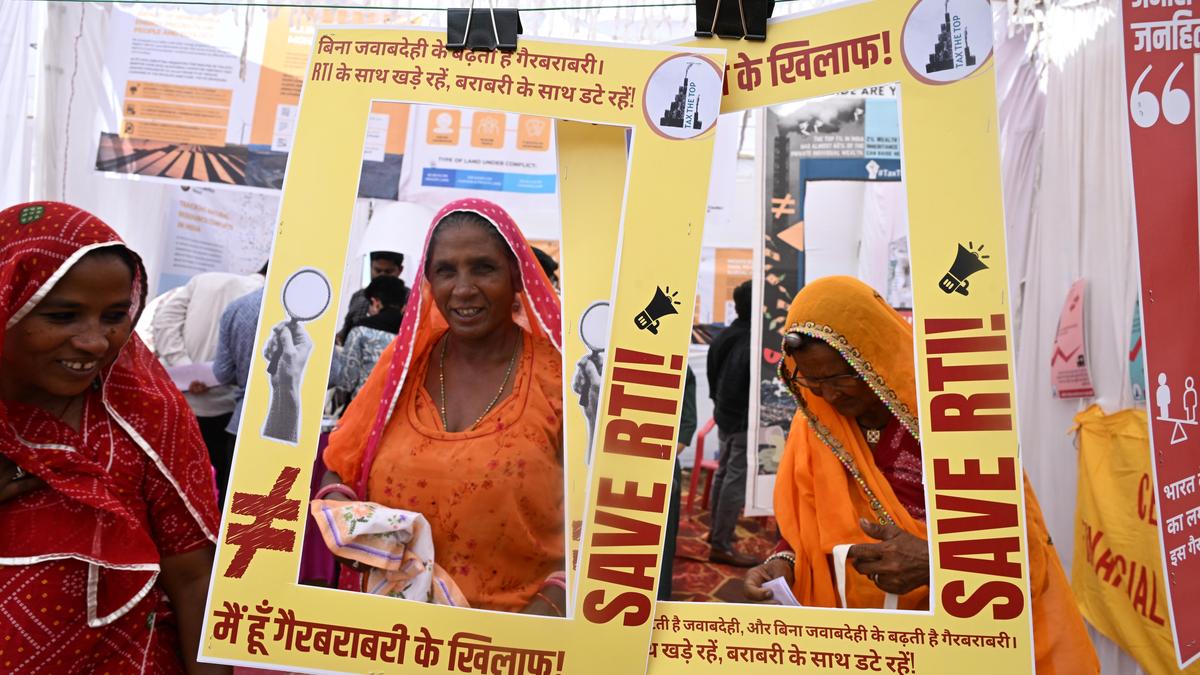
The Right to Information (RTI) Act, which turned 21 years old today, empowers citizens to demand information from public authorities. A notable provision of the act is the requirement for government departments to disclose information on their websites, reducing the need for citizens to file requests under the act. Section 4 (1) (b) of the RTI Act outlines 16 types of information that must be made public at regular intervals.
The Department of Personnel and Training has issued guidelines for disclosing additional information, including procurement, public-private partnerships, and RTI applications. Despite these efforts, voluntary disclosure has not been widely followed. Compliance with Section 4 of the RTI Act is measured through transparency audits conducted by third parties, with the reports shared with the Central Information Commission (CIC).
In the 2024-25 annual report, only 62.7% of 2,303 Public Authorities (PAs) registered with the CIC submitted these audit reports, with most scoring below 80%. However, compliance has improved year-on-year, increasing from 37% in 2020-21 to 62.7% in 2024-25. An analysis of the 94 departments under which these PA's come under revealed that 56 authorities, or 62%, have complied with the mandatory disclosure of information.
However, only 33 of the 94 websites had the latest audit reports for 2024-25, with many lacking recent updates. The RTI Act's efficient implementation can improve transparency and reduce the pendency of RTI-related cases with the CIC and State Information Commissions.
Written by urgent.news from The Hindu's reporting — not their text. Machine-written — may contain errors; check the original before relying on it.