Washington family used Victorian doll as 14th dinner guest; home is now a museum
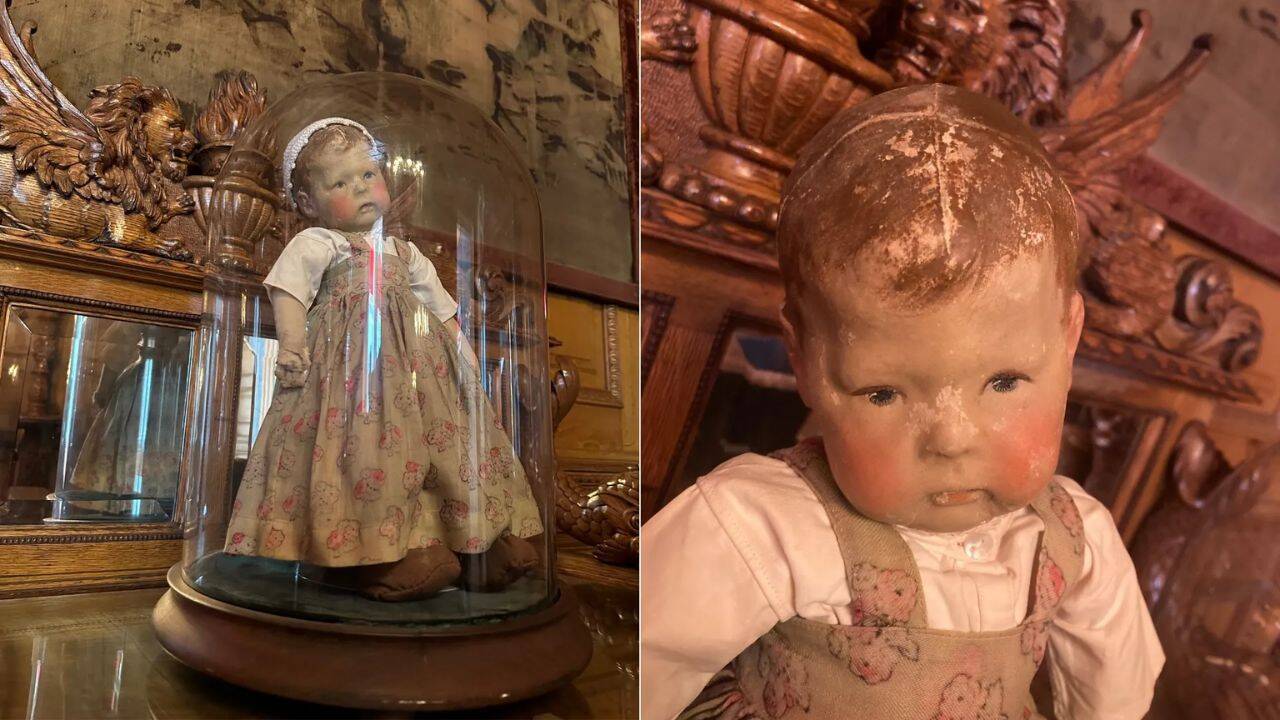
In Washington, DC, a Victorian doll named Michael has become an intriguing part of the Heurich House Museum's history. Michael was more than just a decorative toy; he was a 14th guest summoned to the dinner table whenever a group of 13 people dined together, acting as a guardian against superstition and bad luck. Michael’s story is deeply intertwined with Amelia Heurich, the matriarch of the Heurich family, whose life was marked by deep grief and a fascination with spiritualism, a belief that allowed for communication with spirits and the afterlife.
The Heurich House Museum in Washington, DC, displays Michael as part of a family tradition shaped by superstition, grief, and the wider fascination with spiritualism during the late 19th and early 20th centuries. Amelia Heurich's intense interest in spiritualism was influenced by her personal tragedy—the loss of one of her children at a young age—and the mysterious sounds she often perceived in her home, which she sometimes attributed to the spirit of her late child.
These experiences contributed to the family's customs surrounding unlucky numbers and the presence of Michael at dinner. Spiritualism, a movement that gained widespread traction by the turn of the 20th century, attracted not just believers but also skeptics, offering a platform for discussing death and the mysteries of life after death.
Amelia's household was one such place where spiritualism intersected with personal experiences and family lore, providing comfort and meaning in times of uncertainty. The Heurich family’s traditions, marked by gatherings and rituals aimed at warding off bad luck and connecting with the spirit world, became an integral part of their everyday lives.
Michael's role in the household reflects the era's blending of superstition, grief, and spiritual beliefs, transforming a simple doll into a symbol of the family's unique cultural narrative. Today, Michael remains a distinctive attraction at the Heurich House Museum, embodying the family's history while remaining distinct from any verified supernatural events.
The museum's approach emphasizes the human aspect of spiritualism and superstition, offering visitors insights into how these beliefs were woven into the fabric of daily life in turn-of-the-century Washington, DC.
Written by urgent.news from Times of India's reporting — not their text. Machine-written — may contain errors; check the original before relying on it.