UENR study raises concerns over toxic elements in Dormaa soil
A study by the University of Energy and Natural Resources (UENR) has detected elevated levels of potentially harmful chemical elements in soil and stream sediments in the Dormaa Central Municipality of the Bono Region, raising concerns about environmental pollution and possible risks to public health. The research identified elevated concentrations of lead, chromium and arsenic, […]
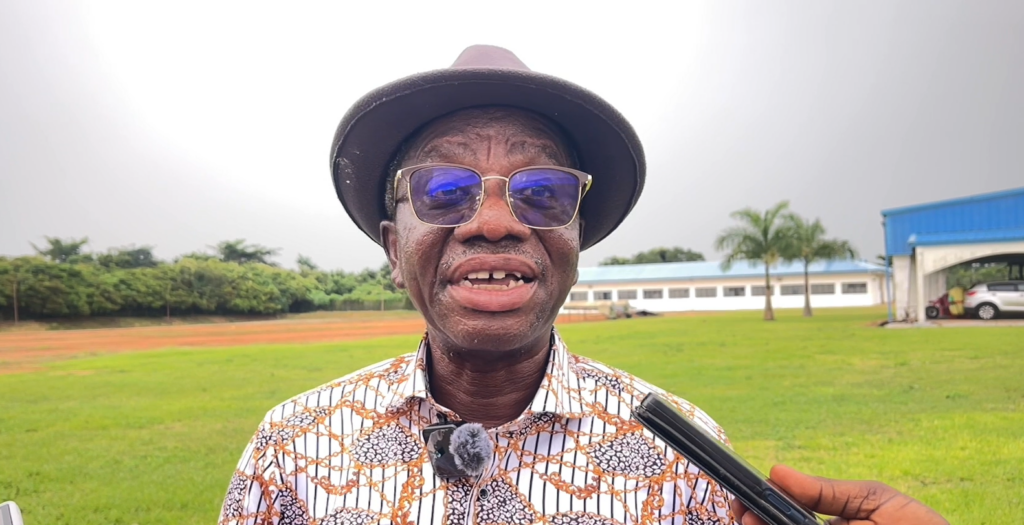
A University of Energy and Natural Resources (UENR) study has detected elevated levels of toxic elements in soil and stream sediments in Dormaa Central Municipality, Bono Region, raising concerns over environmental pollution and potential health risks. The research found high concentrations of lead, chromium, arsenic, and fluoride in the area.
Professor Emmanuel Arhin, Head of Geospatial Sciences at UENR's Dormaa Campus, revealed these findings during an International Geodiversity Day symposium. The study attributes the high fluoride levels, up to 287 parts per million, partly to decades of phosphate fertilizer use, agricultural chemicals, mining, and other industrial activities.
Dr. Abdulai Abubakari, Bono Regional Health Director, warned that exposure to these contaminants could contribute to non-communicable diseases like hypertension, cardiovascular issues, and certain cancers. He stressed the need for stronger collaboration among health professionals, environmental authorities, researchers, and policymakers to prevent pollution and safeguard public health.
Henry Kwabena Kokofu, former EPA Chief Executive, emphasized the importance of stricter enforcement of environmental laws and support for the Environmental Protection Authority in its regulatory and enforcement duties. He stressed that protecting the environment is crucial for preserving water bodies, forests, biodiversity, and public health for future generations.
Written by urgent.news from Adom Online's reporting — not their text. Machine-written — may contain errors; check the original before relying on it.