Ubitium raises $14M to bring universal computing to physical AI
Semiconductor startupUbitium has raised $14 million in new seed funding to develop its universalprocessor for autonomous machines and other physical AI applications. The roundwas led by Ibex Investors...
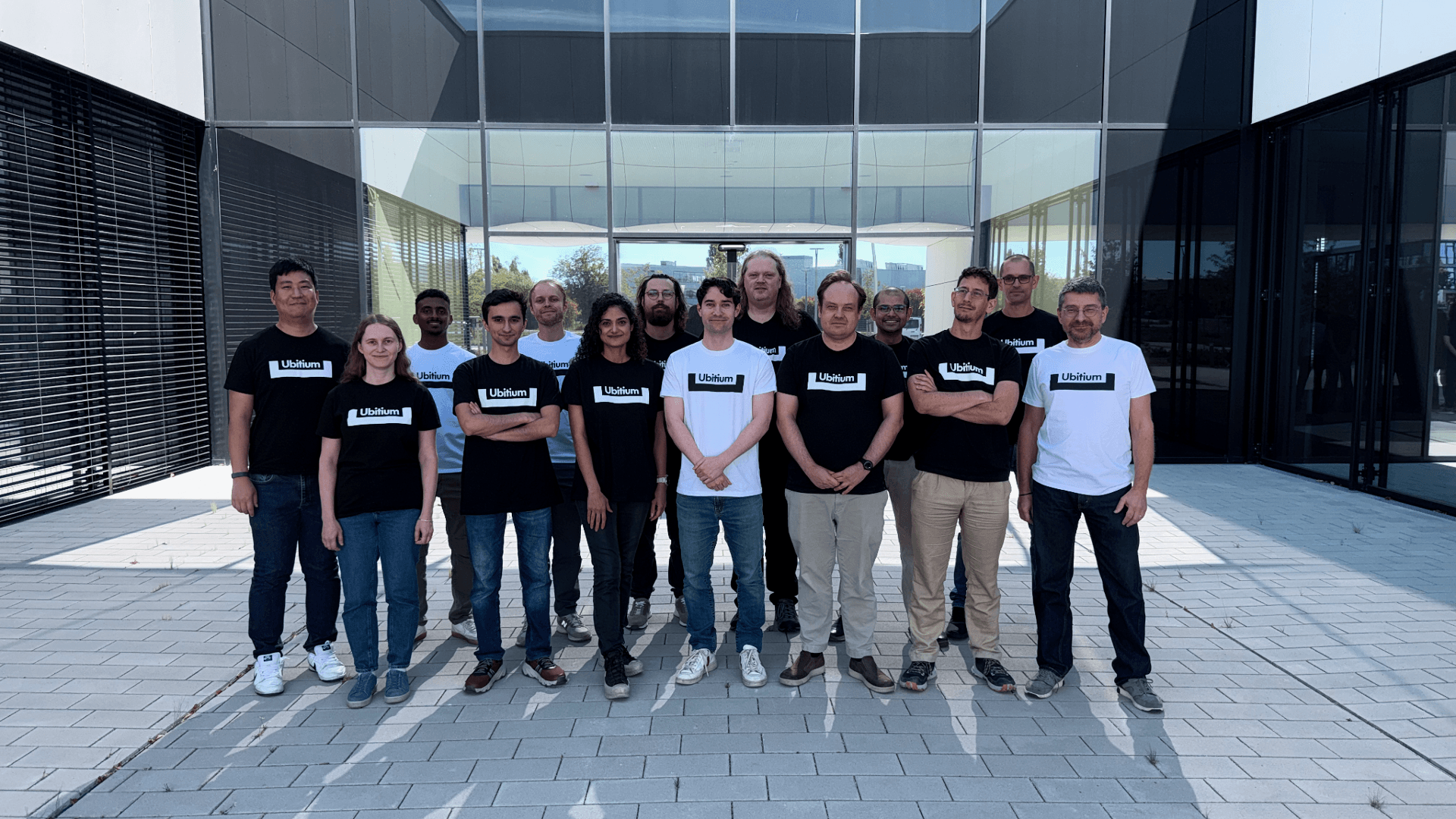
Semiconductor company Ubitium has secured $14 million in seed funding to create a universal processor for autonomous machines and other physical AI applications. The investment round was spearheaded by Ibex Investors, with participation from OpenOcean, KBC Focus Fund, Runa Capital, Inflection, and Quantum Systems co-founder Florian Seibel, who personally invested in the company. This brings Ubitium's total seed funding to $18 million since its inception in 2024.
Ubitium is developing a processor designed specifically for physical AI applications, which include robots, drones, vehicles, and industrial equipment. These systems require the simultaneous processing of sensor data, AI inference, and real-time control. Traditionally, these functions are managed by separate specialized processors, resulting in increased system complexity due to data transfers between chips.
Ubitium aims to address this challenge by developing a reconfigurable processor that integrates all these functions within a single architecture.
The company's programmable processing elements can dynamically allocate computing resources based on the machine's workload, whether it's sensing the real world or controlling the machine within it. CEO and co-founder Hyun Shin Cho explained, "Physical AI machines bring a whole new set of computing challenges, and the inference isn't the hardest one.
Sensing the real world and controlling the machine in it are just as hard, and today those still run on separate chips. We built one Physical AI processor that does all three, proved it in silicon in a year, and this funding turns it into a product."
Ubitium's architecture combines unified memory with standard RISC-V development tools, enabling manufacturers to use a common processor and software toolchain instead of multiple specialized chips. By reducing data transfers and simplifying software development, the company aims to lower the complexity and cost of building intelligent machines.
Ubitium's first chip, the UB108, features 256 processing elements and has demonstrated signal processing, AI inference, and real-time control on the same reconfigurable array. Manufactured using Samsung's 8nm process, the company is now preparing its first commercial processor, the UB410, which will contain 4,096 processing elements. Initial applications for the UB410 will focus on high-resolution radar and audio systems, with autonomous systems like drones among the target applications for the complete architecture.
The new funding will be used to advance the UB410 towards commercialization. The chip's tape-out and delivery of evaluation units are planned for 2027.
Written by urgent.news from Tech.eu's reporting — not their text. Machine-written — may contain errors; check the original before relying on it.