Reading Rainfall in a Snail’s Shell
The chemical record of a snail shell is allowing scientists to reconstruct a record of past storms from the recent—and maybe distant—past.
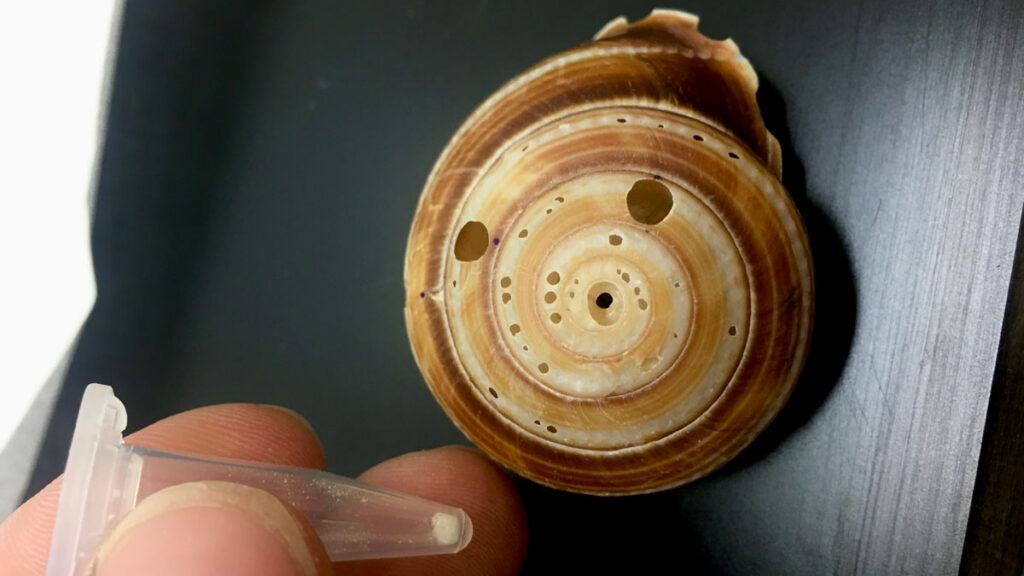
Researchers have discovered that land snail shells, such as those found in Australia's Coalstoun Lakes National Park, can reveal rainfall patterns from thousands of years ago. A Biggenden banded snail, which lived from 2013 to 2018, grew its shell in response to both seasonal patterns and severe tropical cyclones, like Tropical Cyclone Marcia in 2015 and Tropical Cyclone Debbie in 2017.
By analyzing the shell's growth rate, oxygen isotopes, and radiocarbon dating, scientists were able to create a timeline of the snail's life and connect it to specific storms. This method could potentially be applied to other snails and locations worldwide to reconstruct past rainfall patterns and storm cycles.
Written by urgent.news from Eos's reporting — not their text. Machine-written — may contain errors; check the original before relying on it.