Teures Tanken und Heizöl: Inflation steigt erstmals seit Ende 2023 über drei Prozent
Das Leben in Deutschland hat sich im September so stark verteuert wie seit fast drei Jahren nicht. Der neue Tankrabatt soll die Spritkosten senken. Experten rechnen dennoch mit weiter hoher Inflation.
Inflation in Germany has crossed the three percent mark for the first time in nearly three years, driven by soaring energy prices, according to figures from the Statistisches Bundesamt. Consumer goods and services cost 3.3 percent more in September compared to the same period a year earlier, marking the highest inflation rate since December 2023 (3.7 percent).
Ruth Brand, president of the Statistisches Bundesamt, noted that inflation reached a new yearly high of over three percent in September. The most significant price increases were observed for mineral oil products at filling stations and heating oil. In September, consumers in Germany paid 14.9 percent more for fuels and household energy compared to the previous year, marking the third consecutive month of accelerating energy prices since February 2023.
Gasoline prices rose by nearly 37.1 percent year-to-date, while liquefied heating oil increased by almost 75 percent. Solid fuels such as wood, wood pellets, and others (up 15.6 percent) also saw significant price hikes. In contrast, electricity (down 5.5 percent), natural gas without operation costs (down 2.8 percent), and district heating (down 1.0 percent) were cheaper than the previous year.
Despite the rising inflation, the cost of living continued to decrease in August, with consumer prices increasing by 2.9 percent. The September increase in consumer prices amounted to 0.6 percent compared to the previous month. The rise in oil prices since the outbreak of the Iran war has been the main driver of inflation globally, not just in Germany.
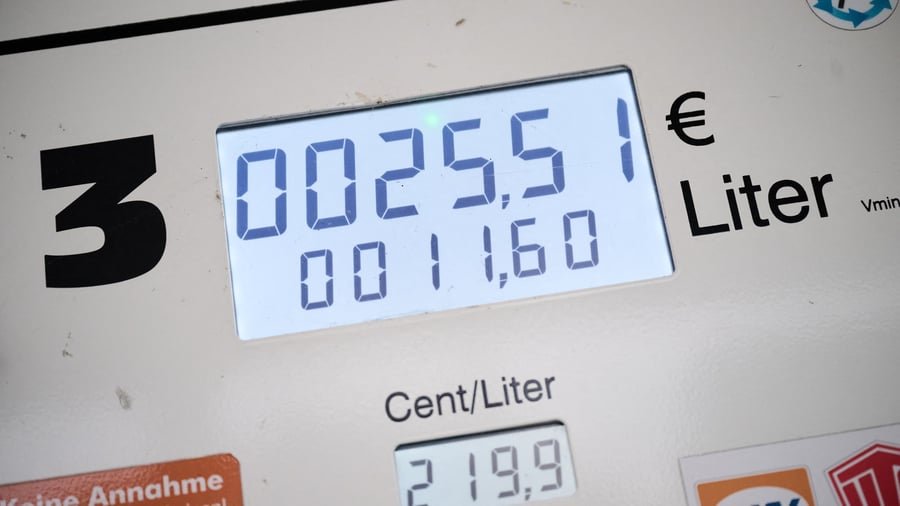
Fuel tankers unable to navigate the Hormuz Strait due to the conflict have contributed to the surge in oil prices, reaching above 100 dollars per barrel last. Car owners experienced record-high gasoline prices at filling stations, while food prices only increased marginally by 0.4 percent in September. Egg prices surged by 15.2 percent, and fresh vegetables rose by 12 percent.
Meanwhile, food fats and oils became significantly cheaper, with butter dropping by 29.5 percent and fresh fruit declining by 4.9 percent. Services, including net monthly rents, only grew by 2.7 percent in September, lagging behind other sectors. Silke Tober, an inflation expert from the Institut für Makroökonomie und Konjunkturforschung (IMK) of the Hans-Böckler-Stiftung, attributed the September inflation spike to the higher costs of fuel and heating oil.
The Bundesregierung introduced a fuel rebate on October 1st, which reduced fuel taxes by around 17 cents per liter until the end of the year. Economists estimate that this measure could reduce the inflation rate by about 0.2 percentage points. However, Germany is expected to experience its sixth consecutive year of inflation above the 2 percent threshold by 2026.
As other major Eurozone countries, such as France and Spain, also face rising prices, economists predict that the European Central Bank will raise interest rates a third time this year to counter inflation. In September, the Eurozone's inflation rate stood at 3.8 percent, the highest since three years and well above the ECB's medium-term target of 2.0 percent.
Written by urgent.news from Handelsblatt's reporting — not their text. Machine-written — may contain errors; check the original before relying on it.