Steuern: Hessens Regierungschef: Zuckersteuer ist „Teuer-Steuer“
Die Bundesregierung hat ihren Streit um eine Zuckersteuer beigelegt, nun will das Kabinett die Pläne beschließen. CDU-Ministerpräsident Boris Rhein spricht von einem falschen Signal.
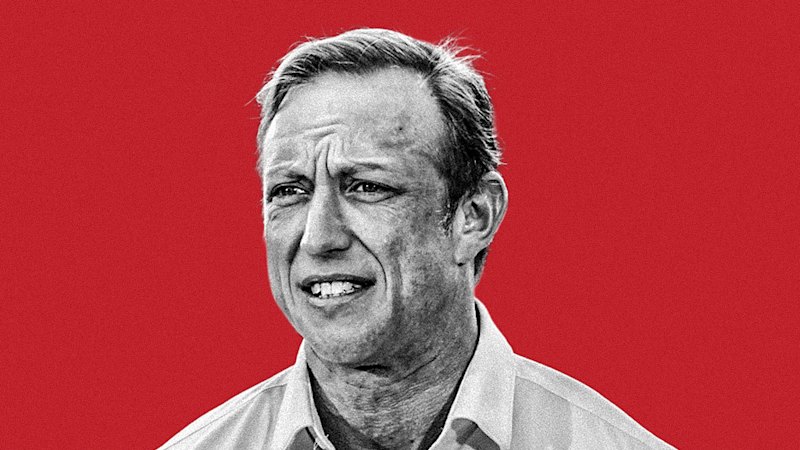
Hesse's Prime Minister Boris Rhein (CDU) has called the planned tax on sugary drinks a "Teuer-Steuer", or "expensive tax". Rhein stated that rising living costs are one of the biggest issues in Germany. He believes a sugar tax sends the wrong signal, as it does not promote health but instead asks citizens to pay again for the budget shortfalls caused by the federal government.
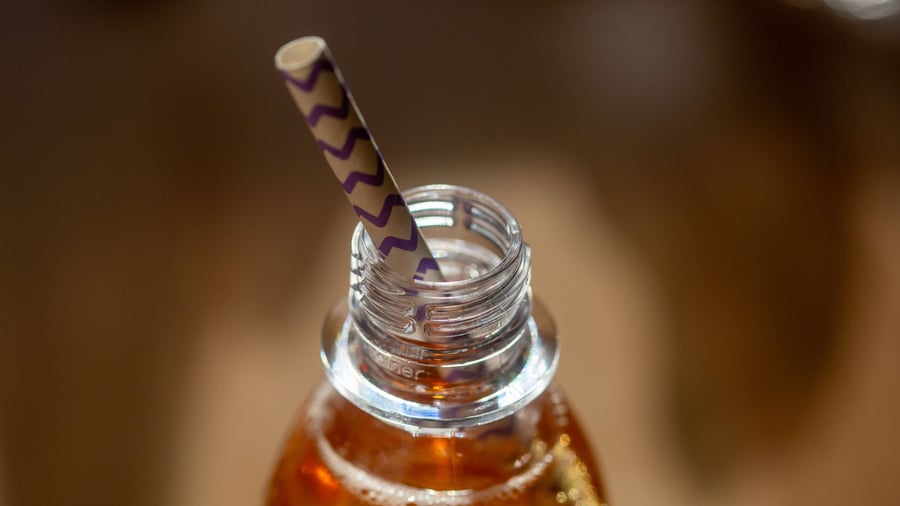
The tax would also harm jobs in the mostly medium-sized drink industry. The cabinet plans to bring the tax into effect today. The coalition agreement states that the tax will be introduced as of July 1, 2027. The compromise proposes a two-tiered tax, with a levy of 26 cents on sweetened drinks containing 5 grams of sugar or more per 100 milliliters, and 32 cents for drinks with 8 grams of sugar per 100 milliliters.
The German Press Agency (dpa) first reported on the coalition's agreement. Finance Minister Lars Klingbeil (SPD) aims to use the sugar tax to generate revenue for the federal budget and encourage beverage manufacturers to reduce sugar and make their products healthier. However, the Chancellor's office halted its plans earlier in the month, stating that its proposal deviated from the proposal of the Health Finance Commission and was not majority-supported in government.
The new agreement assumes the tax will generate around 690 million euros for the federal government in 2027 and 925 million euros in 2028. The tax will not apply to manufacturers producing less than one million liters of sugary drinks per year. Until recently, the tax faced significant resistance, including from the nine agricultural and consumer protection ministers from the Union parties in a letter to Federal Chancellor Friedrich Merz (CDU).
Critics argue that a sugar tax involves state intervention and unnecessarily burdens the purchase of certain foods.
Written by urgent.news from Handelsblatt's reporting — not their text. Machine-written — may contain errors; check the original before relying on it.