Sri Lanka central bank warns El Nino could hit recovery
AgenciesSri Lanka’s fragile recovery from its worst economic crisis in decades could be undermined by the country’s worst-ever El Nino conditions, the central bank has warned. The...
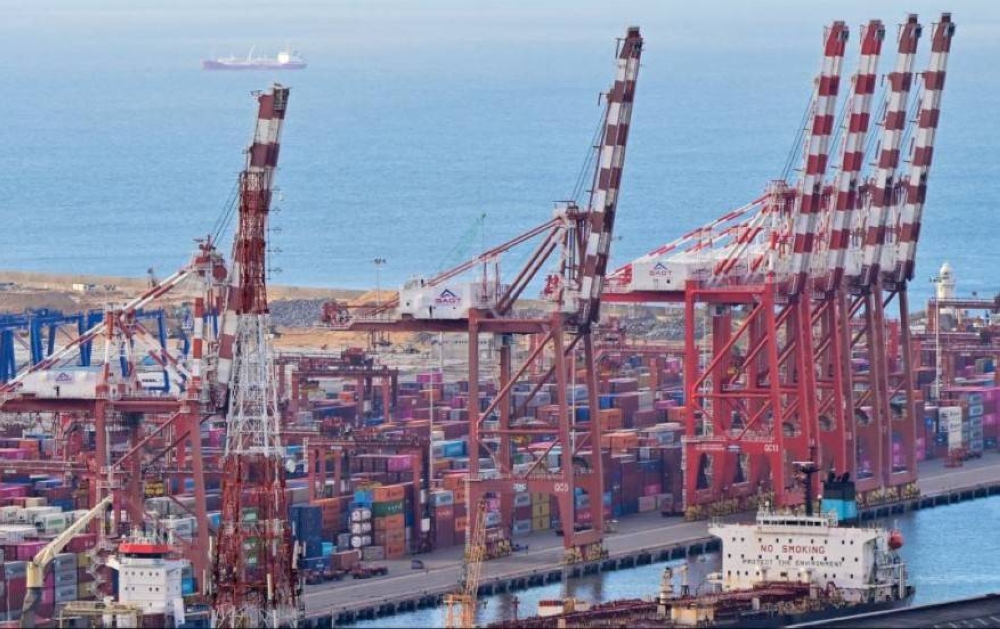
Sri Lanka's fragile post-crisis recovery could be threatened by the country's worst El Nino conditions, warns its central bank. Last year's Cyclone Ditwa, which claimed over 650 lives and inflicted billions in damage, has also contributed to weakened asset values and heightened risks for lenders as the nation emerges from its 2022 sovereign default.
The central bank stated in a report published late Monday that climate-related risks, like El Nino, and heightened volatility in financial markets create a challenging external environment, potentially impacting domestic macroeconomic and financial stability. The World Bank estimates infrastructure losses from the cyclone to be around $4.1 billion, while the government has allocated $1.6 billion to a recovery program.
Sri Lanka is grappling with the aftermath of an unprecedented economic collapse that led to its first sovereign default in April 2022, following the depletion of foreign exchange reserves to cover essential imports. The crisis triggered widespread shortages of food, fuel, and medicines, sparking months of protests that ultimately forced then-President Gotabaya Rajapaksa from office.
Following a $2.9 billion International Monetary Fund (IMF) bailout in March 2023, Colombo restructured its foreign debt and began a steady recovery, reverting to pre-crisis growth levels. However, the central bank cautioned that worsening weather patterns associated with this year's El Nino could create additional burdens on households and businesses, adversely affecting banks through increased loan defaults.
The country's Meteorological Department predicts torrential rains through December, followed by a prolonged drought early the following year, labeling the current El Nino episode as the most severe Sri Lanka has faced. The report highlights that El Nino, a naturally occurring climate phenomenon characterized by warmer Pacific Ocean temperatures, can alter global wind and rainfall patterns.
Scientists emphasize that human-induced climate change can exacerbate the effects of El Nino by providing more energy and moisture, fueling extreme weather events.
Rewritten by urgent.news; may contain errors — check the original.
Source: qatar-tribune.com