China’s central bank drew on Nobel winner Woodford’s economic models
AgenciesTwo decades before winning this year’s Nobel Prize in economics, US-born economist Michael Woodford was influential in shaping policy at the People’s Bank of China through...
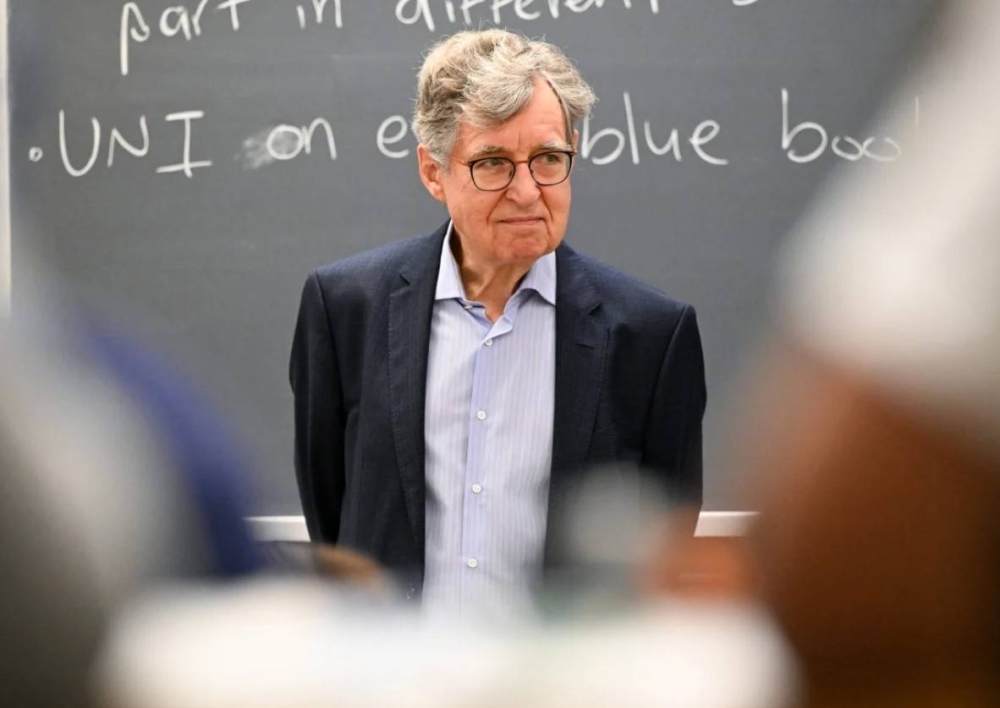
Two decades before being awarded the Nobel Prize in economics, US-born economist Michael Woodford influenced policy at the People's Bank of China (PBOC) through his groundbreaking models on economic downturns. In 2005, Woodford delivered a highly sought-after speech titled "Economic Literacy, Central Bank Communication, and Macroeconomic Stability" in Beijing, where state broadcaster China Central Television reported that he believed enhanced communication by US and UK central banks had led to more informed economic participants.
In 2013, the PBOC cited Woodford's statement in its Monetary Policy Implementation Report, stating that once interest rates hit the lower bound and remain flat for an extended period, public expectations significantly shape economic outcomes, making central bank guidance crucial. The Nobel Prize was awarded to Woodford and Robert E. Hall for demonstrating how economic models can be revised to revitalise stabilization policy.
Their research highlighted the importance of clear communication of policy plans by central banks and governments, as it could influence expectations and steer the economy in the right direction during downturns. The PBOC has recently focused on building its policy-rate framework, improving monetary transmission efficiency, and better anchoring market expectations, aligning closely with the New Keynesian framework, a result of Woodford and Hall's research.
Written by urgent.news from Qatar Tribune Business's reporting — not their text. Machine-written — may contain errors; check the original before relying on it.