South China Sea disruptions could hit Malaysia’s economy, supply chains, food security
KUALA LUMPUR, Oct 13 — Disruptions, unsafe encounters or legal ambiguities in the South China Sea could threaten M...
KUALA LUMPUR, Oct 13 — Malaysia’s Deputy Transport Minister, Datuk Hasbi Habibollah, warned at the 9th Maritime Institute of Malaysia (Mima) South China Sea Conference 2026 that disruptions, unsafe encounters, or legal uncertainties in the South China Sea could jeopardize the nation’s economic stability, supply chains, and regional food security.
The South China Sea serves as a vital physical bridge connecting Peninsular Malaysia with Sabah and Sarawak, supporting domestic trade, powering the offshore energy sector, and linking industries to global value chains. Hasbi emphasized that over 96.4% of Malaysia’s international trade is seaborne, with Malaysian ports handling 33.07 million twenty-foot equivalent units (TEUs) in 2025, with Port Klang leading the world’s busiest container ports at 15.14 million TEUs.
The Port of Tanjung Pelepas also surpassed the 14-million-TEU mark, becoming the first single terminal in the country to do so. Hasbi warned that any disruption in the South China Sea would directly impact economic stability, supply chains, and regional food security. He noted that past conflicts in the Black Sea, Red Sea, and Strait of Hormuz demonstrated how geopolitical tensions can disrupt maritime trade, raise freight and insurance costs, force ships to take alternate routes, and contribute to inflation.
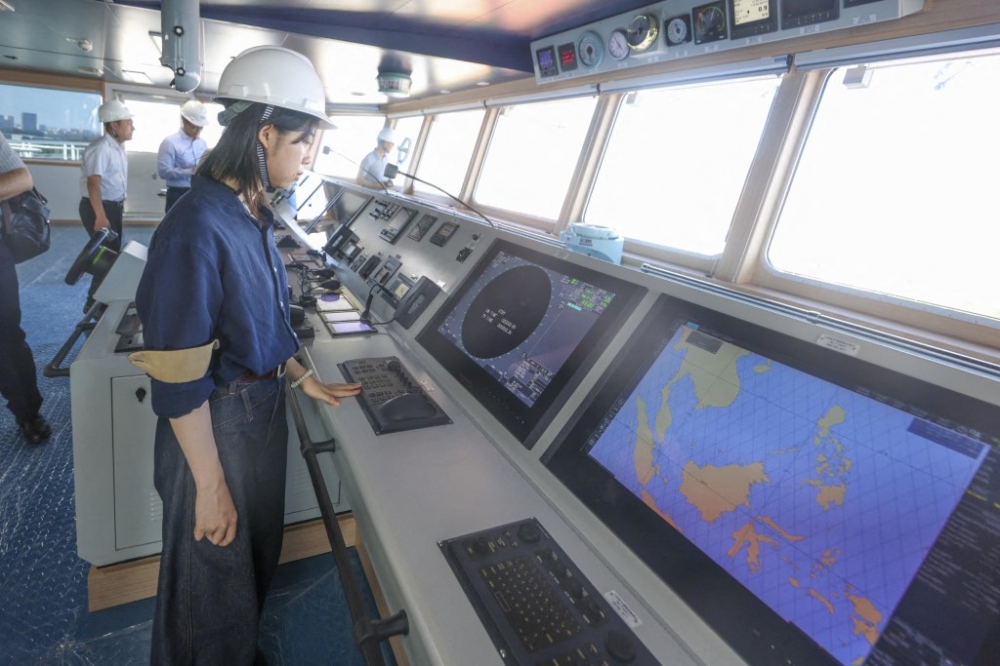
Hasbi also highlighted the risks posed by dark or shadow fleet vessels, which engage in illegal practices such as ship-to-ship transfers, disabling Automatic Identification Systems (AIS), and operating without proper insurance or safety standards. Malaysia’s Transport Ministry, along with the Marine Department Malaysia and the Malaysian Maritime Enforcement Agency (MMEA), has stepped up vessel screening and maritime intelligence operations to detect and deter such activities, utilizing advanced Vessel Traffic Services (VTS), IMO registration verification, and integrated port database cross-checks.
Hasbi stressed the importance of proactively building resilience, rather than reacting reactively. He reaffirmed Malaysia’s commitment to resolving South China Sea disputes peacefully through dialogue, restraint, and adherence to international law, specifically the 1982 United Nations Convention on the Law of the Sea. The South China Sea 2026 conference, themed "South China Sea 2026: Rules, Resilience, and Regional Order," gathered policymakers, diplomats, academics, industry representatives, and maritime experts from various countries, including Australia, the European Union, Japan, the United States, China, and Canada.
Rewritten by urgent.news; may contain errors — check the original.
Sources: bernama.com · malaymail.com