Singapore’s MAS to tighten policy ‘very slightly’ as inflation risks persist
Costly energy imports are pushing up prices across the board, while the AI boom has driven faster-than-expected growth, with both factors threatening to keep inflation elevated longer.
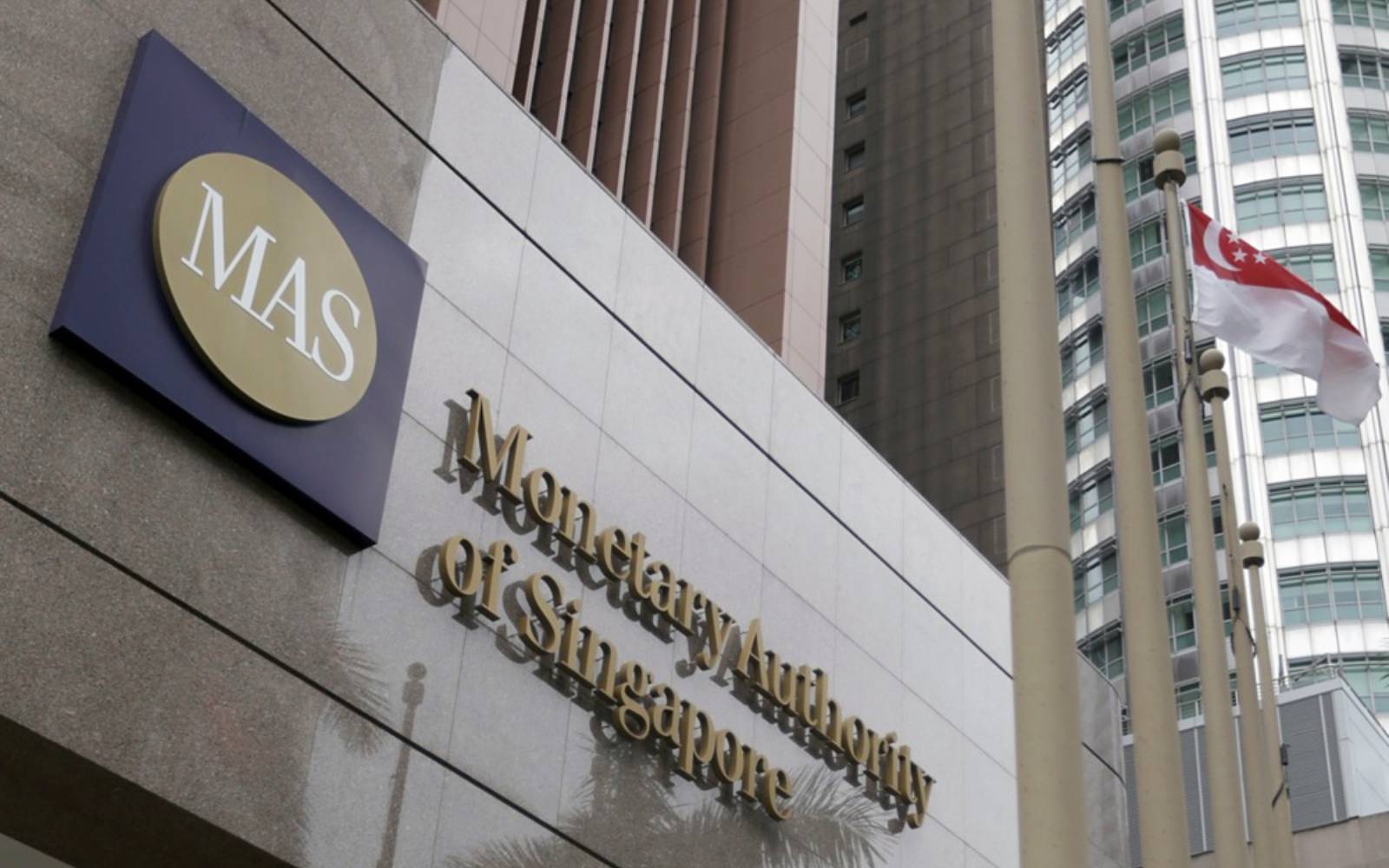
Singapore's Monetary Authority of Singapore (MAS) is poised to implement a minor tightening of monetary policy this year, as central bank officials aim to curb inflation risks stemming from the oil and artificial intelligence (AI) boom. Seventeen out of 20 economists surveyed by Bloomberg anticipate the MAS to intensify the slope of its policy band during their quarterly meeting on Wednesday, while three predict no change.
The MAS, primarily relying on exchange rate adjustments instead of interest rates, has progressively tightened its settings this year. In April, the bank increased the slope, which enables faster currency appreciation, and further "very slightly" adjusted it in July. Analysts interpret the latter move as a 25-basis point reduction, equivalent to half the typical adjustment.
Singapore faces significant inflation pressures due to expensive energy imports and the rapid growth fueled by the AI wave, both of which may sustain high inflation levels. Maybank Securities Pte Ltd's Chua Hak Bin and Brian Lee note that monetary policy tightening would be a forward-looking response to renewed energy and food pressures and the growing impact of imported costs.
Core inflation, the metric frequently monitored by the MAS, reached a two-year peak of 2.2% in August, within the central bank's projected 1.5%-2.5% range for the year. However, public transportation fares are set to surge by 7% in December, while electricity and natural gas fees are slated to decline this quarter. Bank of America Corp economists Kai Wei Ang and Rahul Bajoria emphasize that the tail of inflation, rather than the broad inflation trend, requires closer monitoring.
Both firms predict additional MAS adjustments in January if inflation pressures persist, potentially making it the longest stretch of tightening since 2022. The MAS led Asia's central banks this year following the US and Israel's attack on Iran, which caused global energy prices to surge. Subsequently, other global central banks have followed suit amid El Niño weather disruptions and a global bond selloff.
Singapore is set to release preliminary third-quarter gross domestic product (GDP) data on Wednesday, which may indicate a slowdown in growth to 5.1% after a standout June quarter driven by electronics exports. Retail sales data released last week showed a contraction in sectors such as motor-vehicle parts, food, and beverages. Despite these mixed growth signals, the MAS remains optimistic about Singapore's economic expansion, projecting a resilient range of 4.5% to 5.5% for the year.
CIMB Bank Bhd economists Chew Khai Yen and Michelle Chia highlight that stronger growth and the broader pass-through of imported costs continue to justify further tightening, though a smaller adjustment is expected due to the anticipated moderation in inflation during the fourth quarter.
Written by urgent.news from Free Malaysia Today's reporting — not their text. Machine-written — may contain errors; check the original before relying on it.
This story
This is one outlet's version. Read the fullest account.
- Singapore’s MAS to tighten policy ‘very slightly’ as inflation risks persist freemalaysiatoday.com