Singapore startup opens plant to recover lithium from EV batteries, raises US$7.6 million
NEU Battery Materials says its Tuas plant can process 1,300 tonnes of battery materials a year but will not run at full capacity for now.
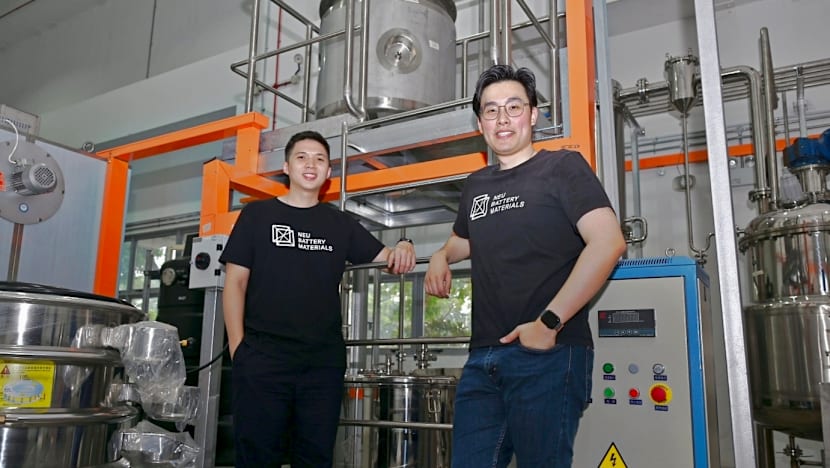
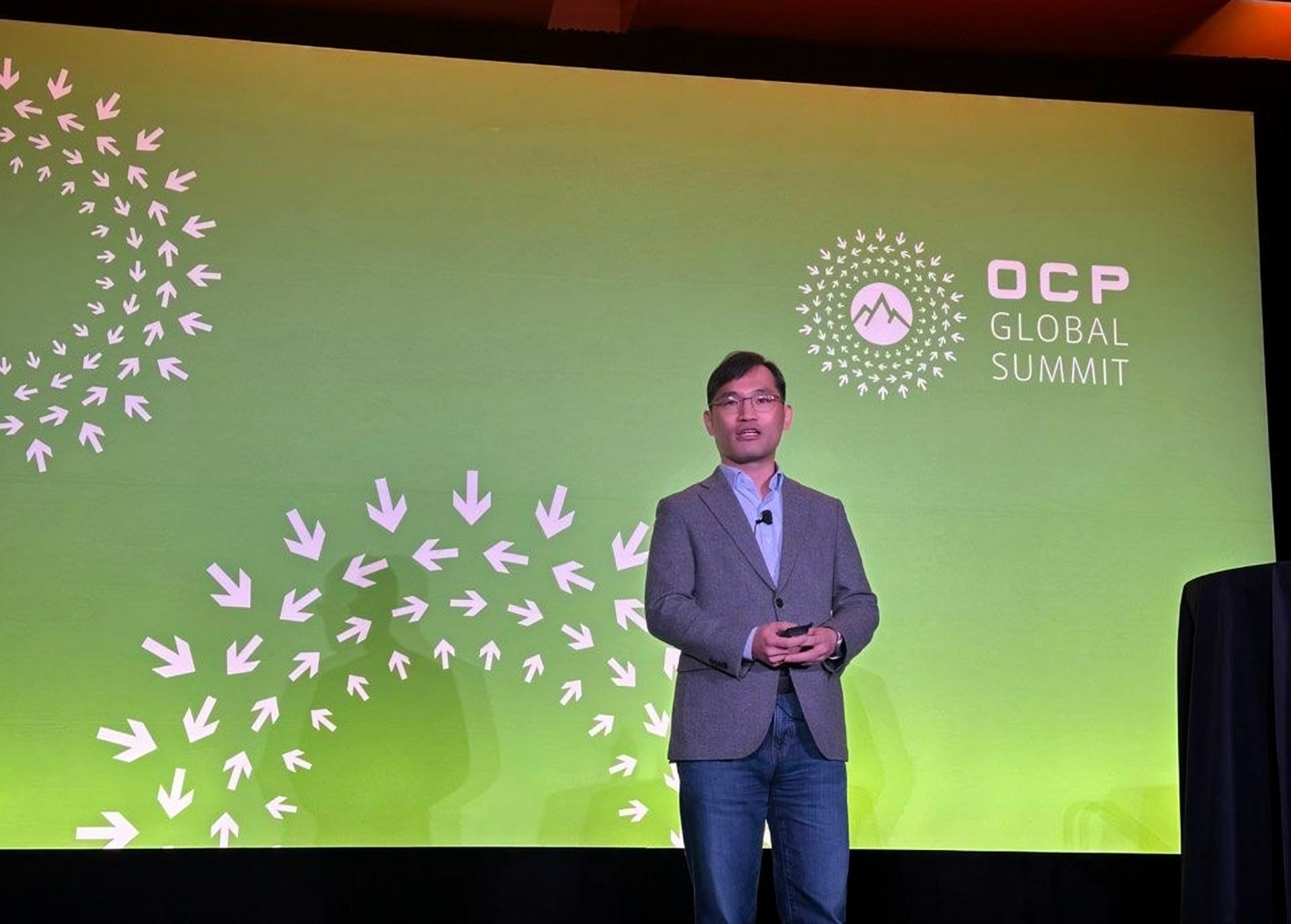
Singapore startup NEU Battery Materials has opened its first facility to recover lithium from electric vehicle (EV) batteries. The plant, located in Tuas, can process 1,300 tonnes of battery materials annually. The company recently closed a funding round of US$7.6 million to support the plant's operations and expansion. Co-founder and CEO Bryan Oh stated that the funds will be used for running the plant, refining the technology, and building larger facilities overseas, targeting Europe and the United States.
NEU specializes in recovering lithium from lithium iron phosphate (LiFePO4) batteries, which are increasingly used in EVs as an alternative to nickel manganese cobalt batteries. LiFePO4 batteries accounted for over 55% of global EV battery deployment in 2025, primarily in China. Unlike their counterparts, LiFePO4 batteries do not contain valuable metals like nickel and cobalt, making it challenging to recover enough value to cover processing costs.
The startup has developed a patented electrochemical redox process that uses electricity and water to recover lithium. This method is more cost-effective than conventional hydrometallurgical processes, which consume chemicals to extract metals. The system can process production scrap or "black mass" (a powder created after end-of-life batteries are shredded) to extract lithium hydroxide, which is then processed into battery-grade lithium. About 85% of NEU's current feedstock is production scrap.
The company aims to supply lithium carbonate to battery manufacturers for use in new batteries, with the potential to sell the lithium to buyers in China, where LiFePO4 batteries account for over 80% of EV battery sales in 2025. If successful, the technology could help address the growing challenge of managing end-of-life batteries as more become available in the coming years.
For now, NEU plans to use the Singapore facility as a testbed to refine its technology and establish the engineering blueprint for its larger plants overseas.
Written by urgent.news from Channel News Asia's reporting — not their text. Machine-written — may contain errors; check the original before relying on it.
This story
This is one outlet's version. Read the fullest account.