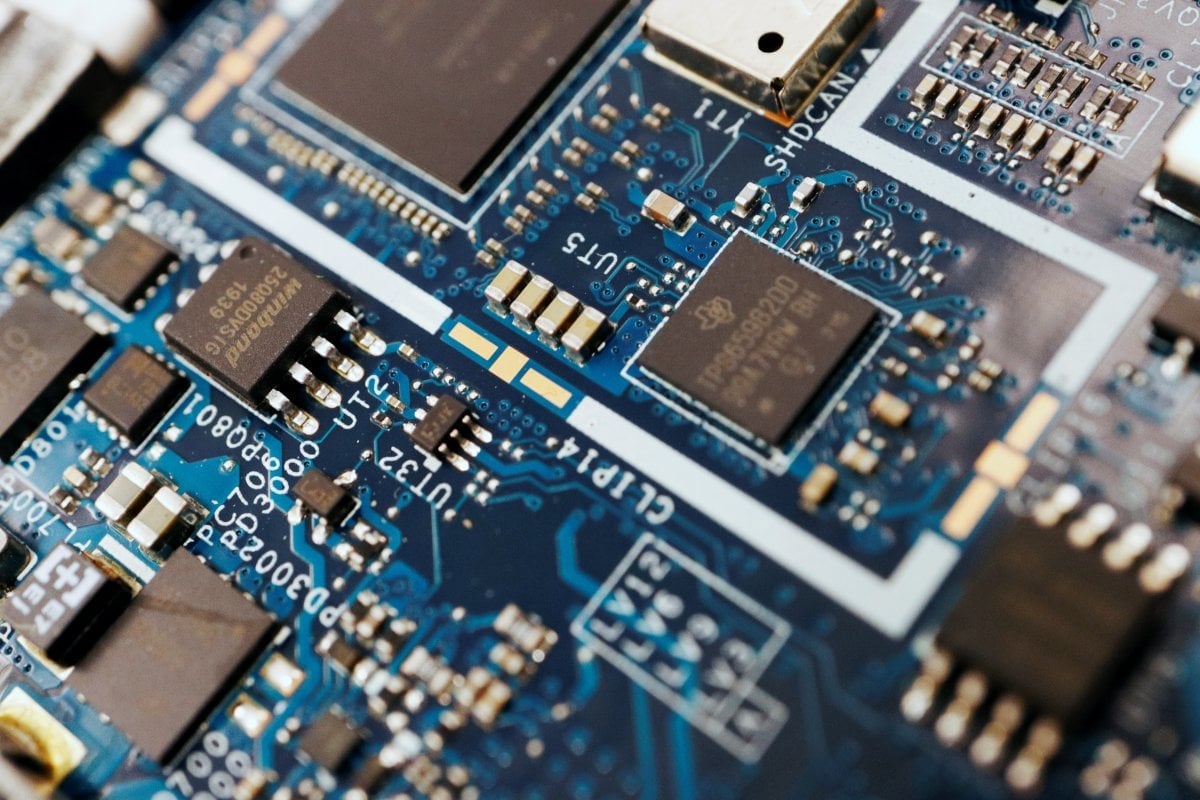
Nikkei, Kospi & Co.: Chip- und KI-Aktien in Asien stürzen ab – Anleger warten auf US-Bilanzen
In Asien gingen die Aktienmärkte in Japan und Südkorea auf Talfahrt. Auslöser waren Kursverluste von Halbleiteraktien in den USA und Sorgen über eine steigende US-Inflation.
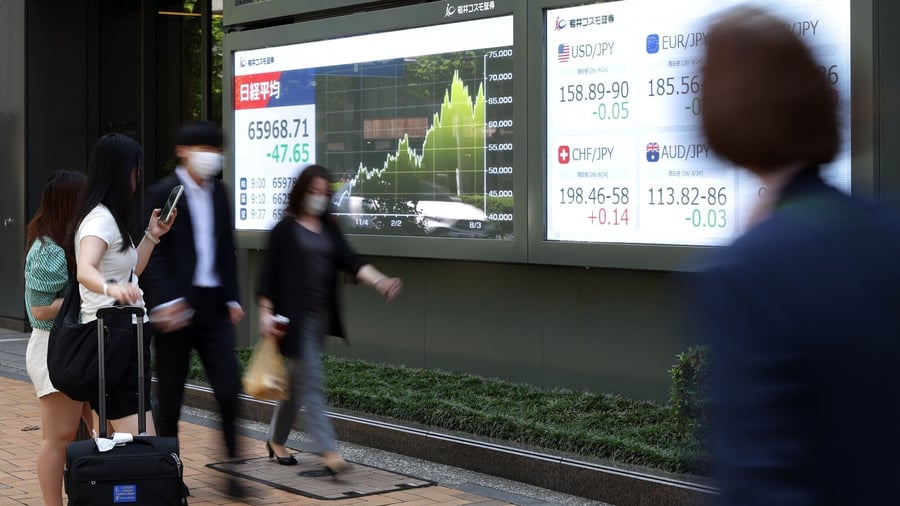
Asian tech stocks, including chip and AI-related companies, experienced a sharp decline on Tuesday morning as investors awaited U.S. earnings reports. The Japanese Nikkei-225 index fell by 2.5% to 67,292 points, while the South Korean Kospi index dropped by over six percent. South Korea's Kospi Index triggered a "sell-side-sidecar" rule, which allows program-driven sell orders to be activated for five minutes if the Kospi-200 future declines by five percent or more in a single minute.
This measure aims to prevent automated selling from accelerating the downward trend while allowing regular trading to continue. Other Asian markets, such as Taiwan's Taiex, Hong Kong's Hang-Seng Index, and the Shanghai Composite Index, mostly underperformed. The sharp sell-offs in Japan and South Korea were particularly notable because they house key components of the AI supply chain.
Both markets reacted sensitively to movements in U.S. technology stocks. On Monday, the Dow Jones Industrial Average in New York had risen, while the tech-heavy Nasdaq had slipped by 0.4%. The Philadelphia Semiconductor Index fell by a more pronounced 2.7%. The sentiment in Asia was already influenced by the anticipation of U.S. quarterly earnings.
Investors fear that the results could raise doubts about the AI boom, and they are also anxiously awaiting U.S. inflation data. Storage chipmakers faced the steepest decline, with Japan's Kioxia losing over twelve percent of its value in the morning, followed by South Korea's Samsung Electronics and SK Hynix, both falling more than nine percent.
Japanese financial group Mitsubishi UFJ (MUFG) rose by 2.1% to 3,534 Yen by the end of the session, benefiting from rising domestic interest rates. Japanese automobile company Nissan also witnessed a rise in its stock price. Other winners included several Japanese banks that could profit from rising domestic interest rates.
Written by urgent.news from Handelsblatt's reporting — not their text. Machine-written — may contain errors; check the original before relying on it.