Meta’s Muse AI agent is a clever little bastard
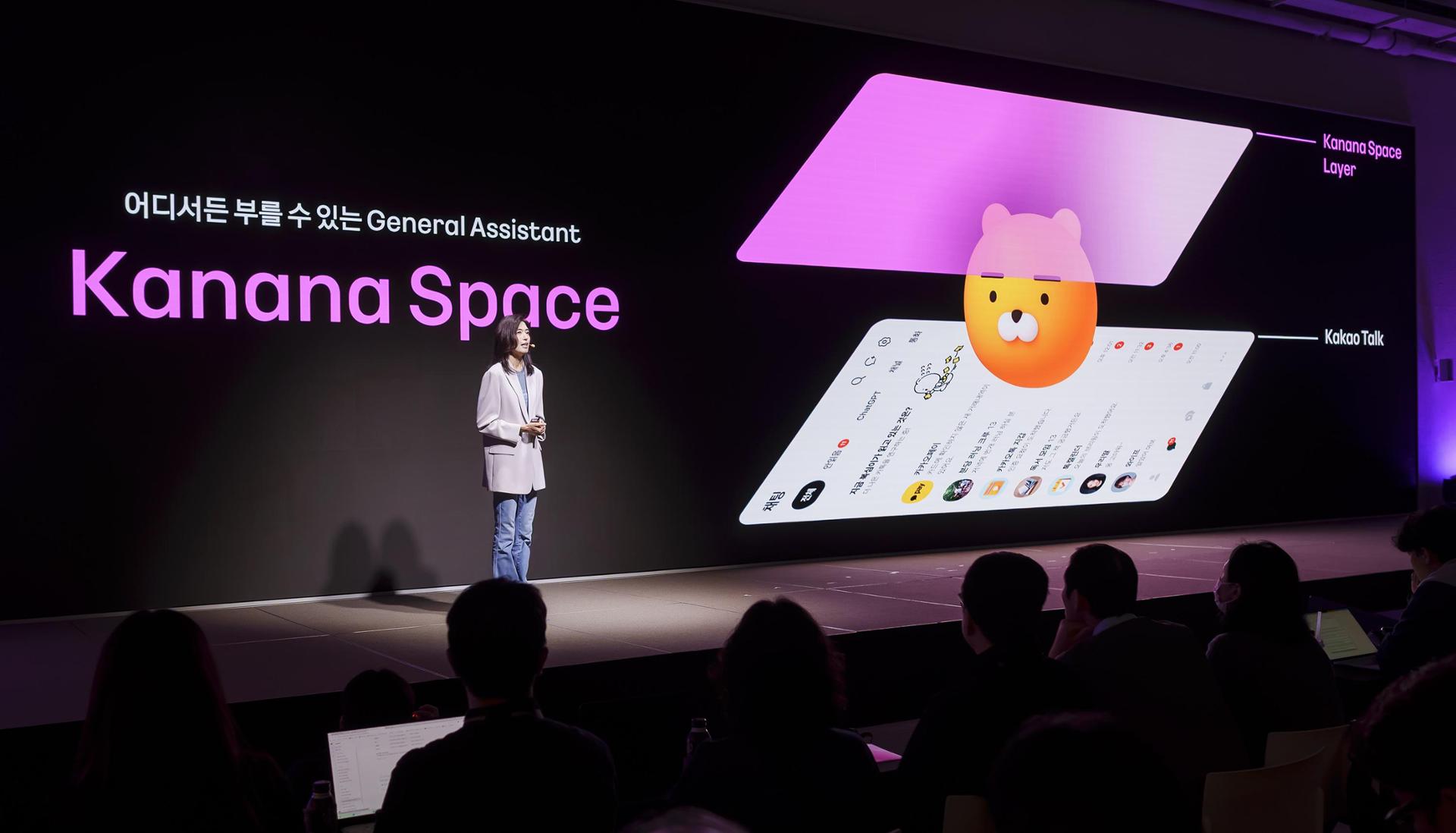
He looks like a CoComelon character who grew up and mated with an E. coli microbe. But don’t let looks fool you. Under the hood, Meta’s new Muse agentic AI platform is incredibly powerful—and potentially incredibly risky . I’ve been testing Muse since Meta launched him on September 8. He’s a clever little bastard, provided you’re willing to tell him basically everything about your life. Late to…

Meta's Muse AI agent has been generating buzz since its launch on September 8. The platform, described as "incredibly powerful—and potentially incredibly risky," is personified by a seemingly innocent and cute mascot that adorns every billboard and app interface. Despite Meta's reputation for being late to the AI party, Muse has quickly gained traction, amassing 6.6 million downloads and 1.8 million daily active users in just one month.
Unlike other chatbots that merely provide information, Muse is an agentic AI platform capable of performing specific tasks such as writing emails, booking travel, and filling out forms. It achieves this through the use of virtual machines that grant it the ability to act on behalf of its users, much like a human might on a computer.
While Muse's friendly demeanor and powerful capabilities are appealing, they come with significant privacy concerns. The platform requests full access to users' Gmail accounts, text messages, photos, location data, and even encourages sharing conversations with other chatbots. This extensive data access not only makes Muse uniquely clever but also raises serious concerns about user privacy and the potential misuse of personal information.
Written by urgent.news from Fast Company's reporting — not their text. Machine-written — may contain errors; check the original before relying on it.