Meta’s Audio-Only Glasses Are Nicely Made. They Don’t Solve the Deeper Problems
Meta Ray-Ban Audio glasses are sleek and offer long battery life, but where will their AI go next?
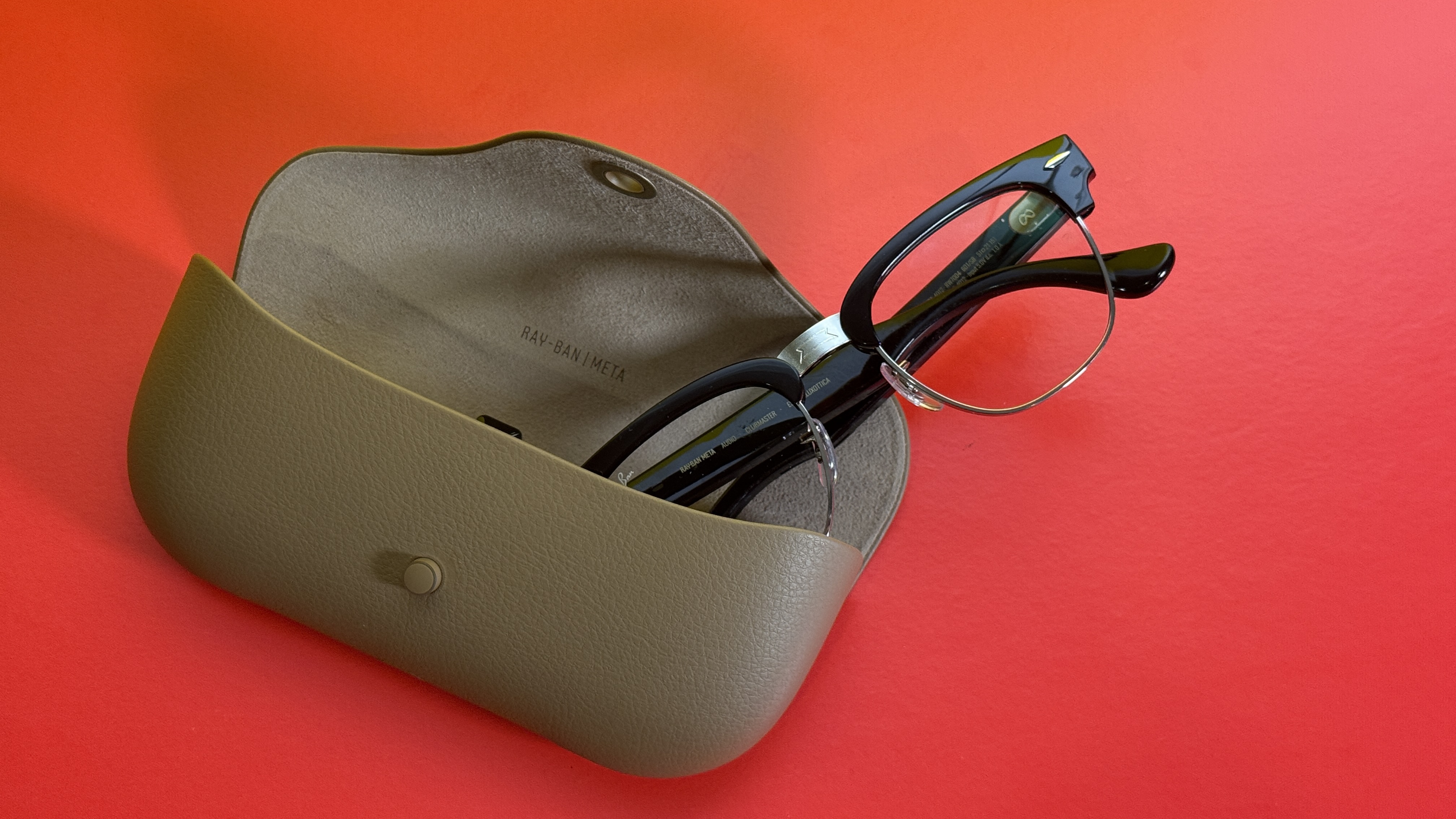
Meta's new line of Ray-Ban Audio glasses, free of cameras, are well-crafted but do not resolve the underlying issues surrounding the use of smart glasses. Concerns about AI fatigue, privacy, and the lack of understanding of what these glasses can do have contributed to the negative perception of smart glasses. Some cities have even started banning their use.
The camera-free Ray-Ban Audio glasses are lighter, smaller, and have better battery life. They cost between $349 and $429, while cheaper self-branded glasses with cameras are available for as low as $249. The glasses' audio quality is good, and their microphones are excellent for phone calls. They can also function as a hearing aid for mild hearing loss, but this feature comes at an additional cost of $149 or with a Meta One subscription.
The glasses support Meta's Muse Spark-based AI, which can provide live language translation, turn-by-turn navigation, set timers, and serve as a general conversational research companion. However, Meta's support for connecting other services and privacy improvements for its AI services are still limited. The future of Meta's AI glasses remains unclear, but they are likely to become tools for tapping into AI agents, possibly for work or monitoring life aspects.
Currently, the glasses are only used for short conversations and fly under my radar. Meta's AI glasses may explore always-recording "audio memories" in the future, capturing users' experiences.
Rewritten by urgent.news; may contain errors — check the original.
Source: cnet.com