“Live long, die fast”: How Russia’s propagandist poets try to make sense of a senseless war
Over the past five years, poetry by so-called “patriots of Russia” has demonstrated just how rapidly the image of the war is changing. Whereas before 2022 poetry promised a swift triumph of the Russian will, it now accustoms the reader to war as a process that can last forever. Pro-war poets claim allies wherever they can even plausibly find them — from Mozart and early 20th-century author Osip…
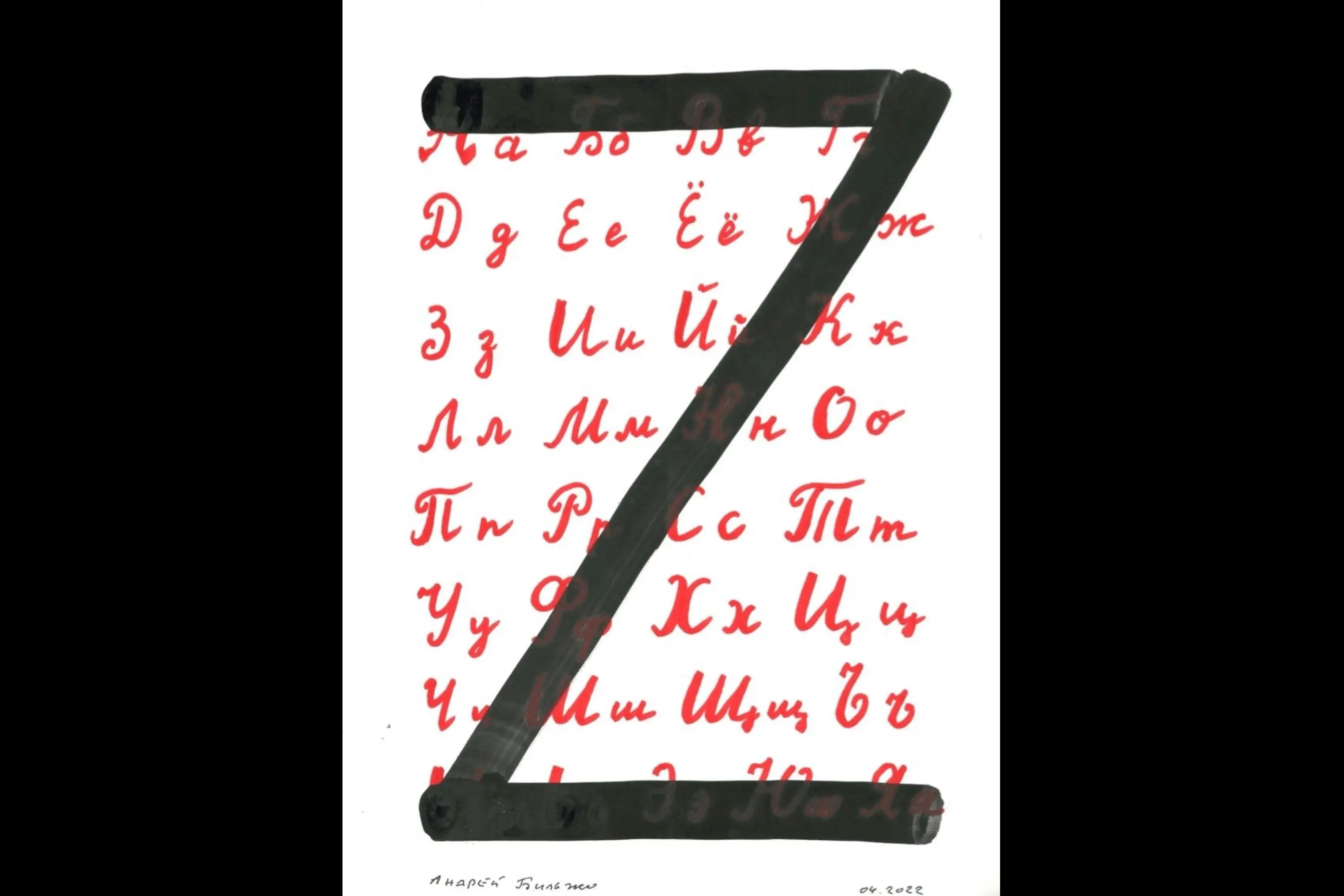
The ongoing war in Ukraine has resulted in a surge of pro-war poetry from Russian authors, who seem compelled to produce brief, concise works that align with the official narrative. Literary scholar Mikhail Edelstein notes that after February 24, 2022, patriotic poetry recaps events from 2014, extolling and glorifying war – a sentiment that many poets held before the conflict began.
For instance, Igor Karaulov's "Pre-Winter" poem from 2017 envisions a future where Russia's goals are met: having vodka, Crimea, and the Bosphorus-Dardanelles straits, which represent Russia’s ambitions to regain its historic empire.
Pro-war poets have also pinned their hopes on war to cleanse Russian society of Western influences, like "perestroika" and "postmodernism." Oleg Demidov explains that this aspiration has helped revive poetry after the 1990s.
Moreover, the war has led to an ethical reversal among pro-war poets. While they normally champion themselves as the "warrior of light," they sometimes resort to an "ethical reversal," asserting that everyone is equally guilty, including their opponents.
Despite Russia's failure to swiftly and victoriously occupy Ukraine, poets have held onto their pre-war expectations, as seen in Karaulov's humorous poem from 2022. Meanwhile, as the war evolved into a more prolonged, trench warfare, poets have shifted their focus to metaphysical themes, trying to justify the high price of casualties.
Written by urgent.news from The Insider's reporting — not their text. Machine-written — may contain errors; check the original before relying on it.