India asks its nationals in Saudi Arabia to ‘remain calm and vigilant’
Saudi Arabia has been facing a series of deadly drone and missile attacks targeting civilian infrastructure by Yemen’s Iran-backed Houthi rebels
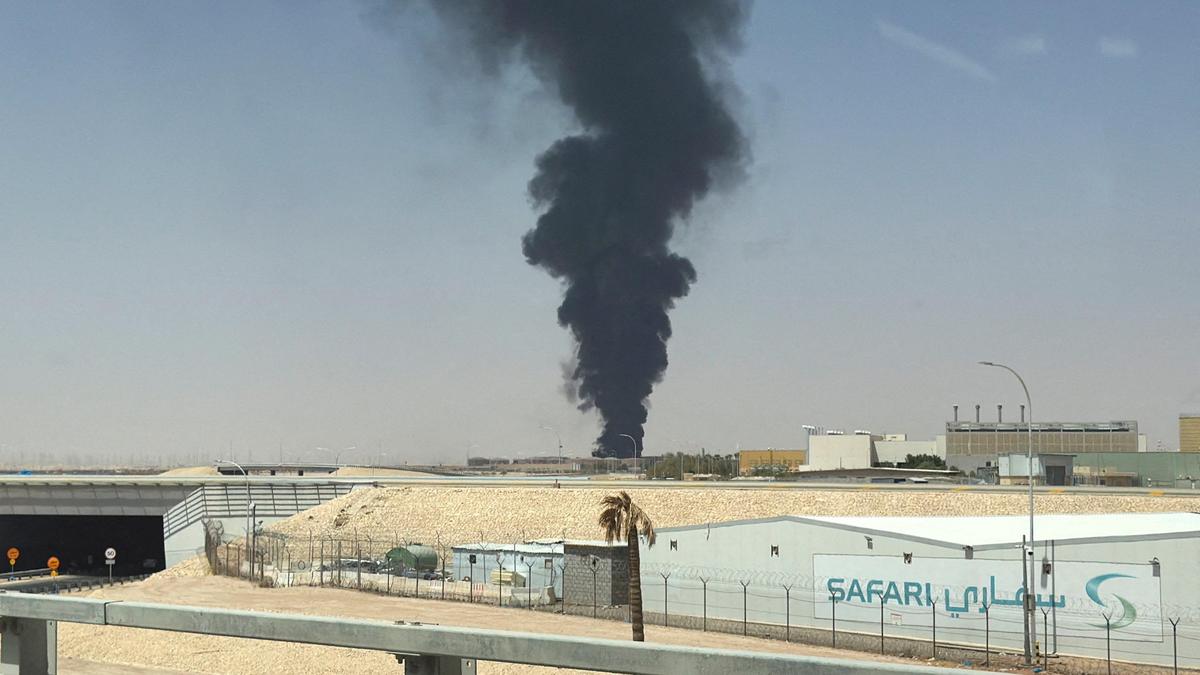
Saudi Arabia faces an ongoing military struggle against the Iran-aligned Houthi militia, which has intensified its attacks on the kingdom's energy facilities and airports. On Saturday, a missile strike at Riyadh's international airport resulted in 13 deaths and over 300 injuries, while a second attack on Sunday claimed another civilian life and injured 11 more people. The Houthis have also targeted Saudi Arabia's airport in Dammam and two oil facilities in the past 24 hours.
Saudi Arabia's Energy Minister, Prince Abdulaziz bin Salman Al Saud, has warned of the consequences for energy security and pledged a strong response. According to a report by the American Enterprise Institute, Saudi Arabia has targeted Houthi missile launch pads, storage facilities, and military infrastructure in Yemen, destroying 136 targets so far.
However, years of Saudi-led military intervention since 2015 have not succeeded in defeating the Houthi militia, which now controls large parts of northern Yemen and the western coastline.
The Saudi-led international coalition formed in 2015 has disintegrated, with the United Arab Emirates withdrawing its troops. The Houthis not only control northern Yemen but also increasingly the western coastline, disrupting international shipping through the Red Sea and strategically important Bab el-Mandeb Strait. In early September, drones severely damaged the Saudi East-West oil pipeline, causing a temporary shutdown and increasing risks for energy markets.
The Saudi government has sought allies to combat the Houthi militia, with the United Kingdom and France offering military support late in September. However, the US recently declined to fight alongside Saudi Arabia, but there may be a change of heart in Washington, according to political analyst Osamah Al-Rawhani. Saudi Arabia might consider withdrawing from the conflict if costs continue to rise, but the kingdom lacks experience in ground warfare in a foreign country.
The Houthis are well-entrenched in Yemen and can withstand significant blows; Saudi Arabia needs stability for its Vision 2030 reform set, which remains further away than ever. Military asymmetry is a key factor, as Saudi Arabia possesses modern weapons and spends heavily on its armed forces, while the Houthis rely on missiles, drones, and infrastructure threats.
Saudi Arabia may also turn to the United Arab Emirates for additional military support, and Turkey is providing air defense equipment. Iran has offered to mediate between Saudi Arabia and the Houthis, but given Iran's support for the militia, it is unclear whether Saudi Arabia will accept this offer.
Written by urgent.news from DW News's reporting — not their text. Machine-written — may contain errors; check the original before relying on it.
This story
This is one outlet's version. Read the fullest account.
- Why Saudi Arabia has struggled to defend itself against the Houthis’ recent attacks winnipegfreepress.com
- Houthis claim Saudi Arabia strikes oil site in Yemen's capital dawn.com
- Saudi Arabia's military struggle against Houthi attacks dw.com
- Delta delays first-ever direct US to Saudi Arabia flights after airport missile strikes businessinsider.com
- Passports Directorate designates 21 centers across Saudi Arabia to regularize status of undocumented Yemenis saudigazette.com.sa
- Houthis threaten Saudi Arabia’s Aramco facilities and airports aljazeera.com