IMF forecasts US inflation will pick up in 2026 before easing next year
The fund projects that oil prices will remain higher than they were before the war in the Middle East and warns that growth in the United States is increasingly reliant on AI, making any slowdown in the technology boom a significant risk
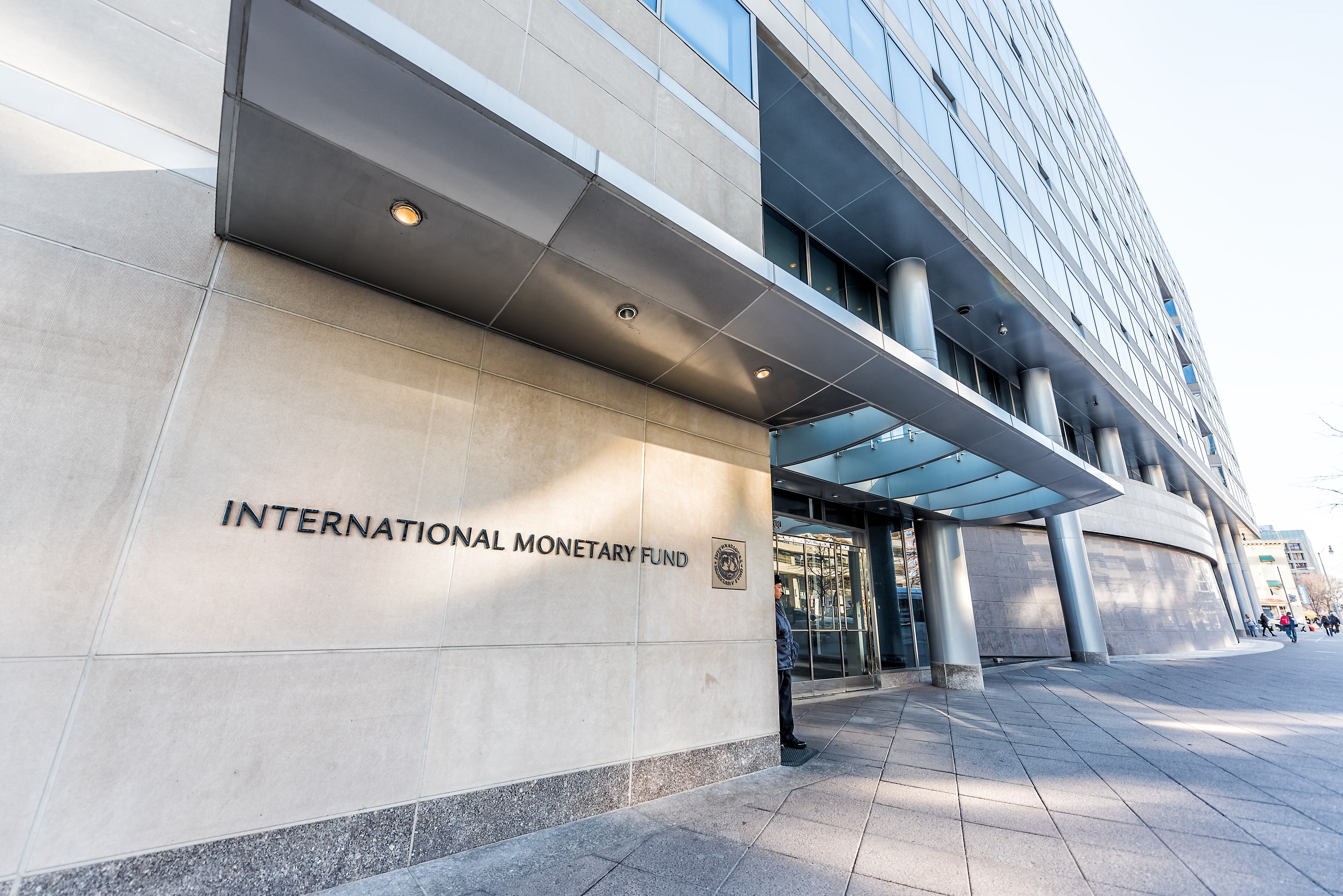
The International Monetary Fund (IMF) has released updated economic forecasts projecting U.S. inflation will increase in 2026 before easing in the following year. This news comes as former President Donald Trump faces his lowest approval ratings in recent months, largely due to his economic policies. The IMF's assessment is particularly concerning when it comes to inflation, which remains above target levels.
Headline inflation in the United States is expected to rise to 3.6% in 2026 from its April forecast of 3.4%, before easing to 2.8% in 2027. Core inflation, which filters out volatile price movements such as food and fuel costs, is also projected to not return to the Federal Reserve's 2% target until mid-2028. Much of the inflation spike in 2026 is driven by rising energy prices, fueled by higher oil costs linked to conflicts in the Middle East and the intensifying conflict between Houthis and Saudi Arabia over oil infrastructure.
The IMF attributes the increase in global inflation from 4.1% to 4.7% primarily to energy and food prices. It assumes an average oil price of $95.74 per barrel this year, up from $67.74 in 2025. The boom in investment linked to artificial intelligence is also increasing demand for capital goods, construction, energy, and skilled labor, though the impact on core inflation remains limited. The IMF warns that the effects of AI could spread in economies operating near full capacity.
The IMF's baseline scenario assumes the Strait of Hormuz will reopen in March 2027, and pre-war conditions will be restored by October 2027. However, more adverse scenarios could lead to considerably bleaker forecasts, with a 30% probability that U.S. headline inflation will exceed 4% in 2027. The likelihood of growth falling below 1% that year, indicating a mild recession starting in the fourth quarter of 2026, is also around 30%. These figures represent model-based probabilities rather than forecasts.
Despite the inflationary pressures, the IMF projects the U.S. economy will grow by 2.3% in both 2026 and 2027, an unchanged projection from April but revised upward by 0.2 percentage points for 2027. The economy's growth is attributed to private consumption, fiscal policy, and investment in technology.
Rewritten by urgent.news; may contain errors — check the original.
Source: english.elpais.com