Huawei, once hobbled by US sanctions, passes 100 million Kirin chip milestone
Huawei Technologies has shipped more than 100 million devices powered by its Kirin processors since 2023, when it returned to the smartphone market with a new generation of premium handsets. The company says testing of its next-generation Kirin 2027 chip is also progressing in line with expectations. The company disclosed the figure on Tuesday as it unveiled new details about its flagship Kirin…
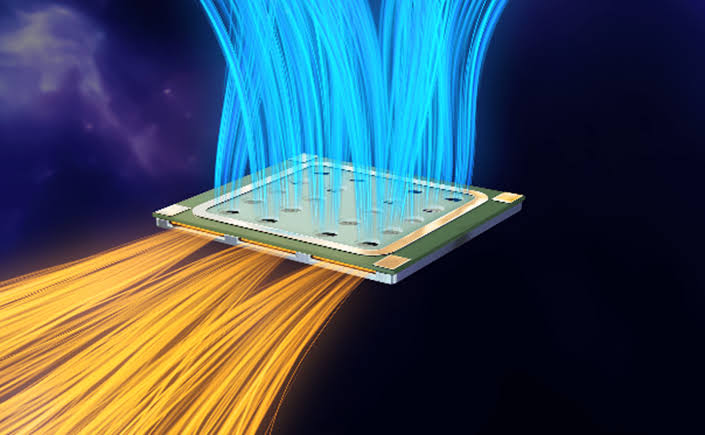
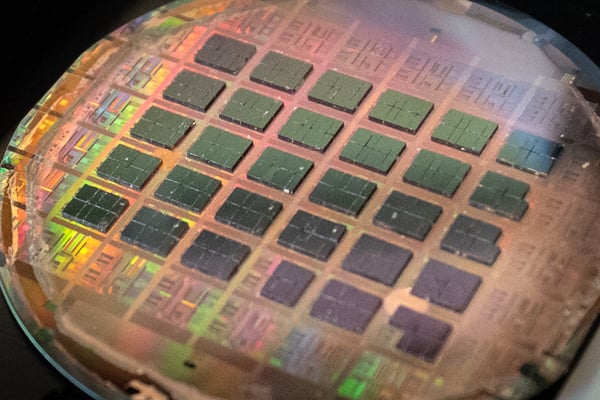
Huawei Technologies has recently surpassed a significant milestone in its semiconductor production, shipping more than 100 million devices powered by its Kirin processors since 2023. The company announced this milestone during a press briefing in Shanghai, where it also unveiled new details about its flagship Kirin 9050 series. This is the first mass-produced chip using Huawei's proprietary LogicFolding architecture, which was developed under its Tau Scaling Law framework.
The new chip design integrates over 50 million hybrid bonds and offers a 53.5% improvement in transistor density compared to previous models.
According to a report by Yicai, a Chinese media outlet, Huawei had begun testing its next-generation Kirin 2027 processor, with preliminary results meeting the company's expectations. Xu Songyu, a director responsible for wireless device chips at Huawei's semiconductor business, explained that progress on LogicFolding had exceeded initial expectations.
Despite early uncertainty regarding the technology's manufacturability and production yields, the company's approach to a major shift in semiconductor development appears promising.
The Tau Scaling Law framework, introduced in May, focuses on enhancing data flow between components of a chip and across computing systems. By optimizing semiconductor designs without relying on the most advanced chipmaking equipment, Huawei aims to extract more computing power. This strategy could prove valuable as US-led export controls limit access to the world's cutting-edge lithography tools.
In addition to its Kirin processors, Huawei is expanding its presence in the artificial intelligence (AI) semiconductor market. The company's Ascend AI chips have gained traction in China, capturing 28% of the country's data centre AI chip market in the first half of 2026. This represents a significant increase from the previous year, when Huawei shipped only 300,000 AI accelerators compared to 572,000 in the current period.
However, Nvidia's share of the Chinese AI chip market has declined to 34%, down from 44% a year earlier, according to IDC data reported by Reuters.
Rewritten by urgent.news; may contain errors — check the original.
Source: scmp.com
This story
This is one outlet's version. Read the fullest account.