Hong Kong renews TV station licences with push for ‘telling good stories’
Hong Kong authorities have renewed the free-to-air licences of the city’s television broadcasters with conditions to boost local production of English-language national education shows and programmes aimed at “telling good stories” of the city. The Executive Council, the city’s top decision-making body, approved the renewal on Tuesday, extending 12-year licences to all three broadcasters. These…
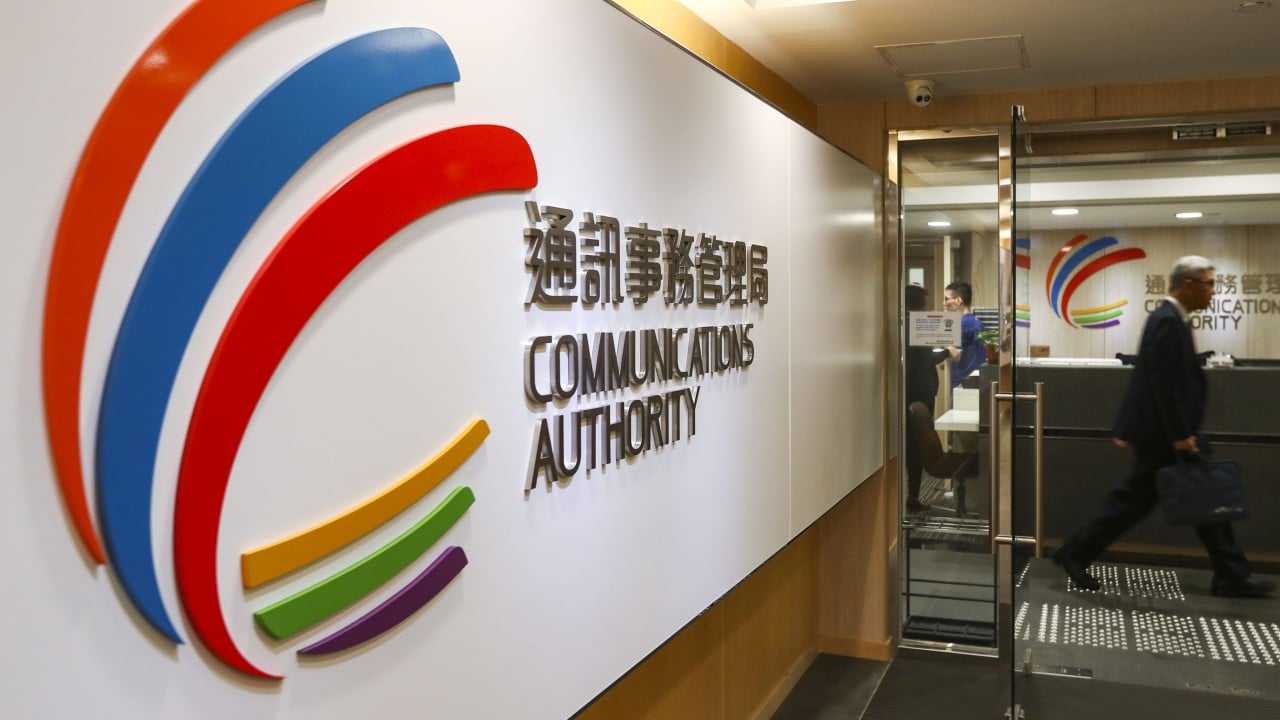
On Tuesday, Hong Kong's top decision-making body, the Executive Council, approved the renewal of free-to-air TV station licences for the city's three broadcasters until 2039 and 2040. The approval is coupled with conditions to encourage local production of English-language national education shows and programmes aimed at "telling good stories" of Hong Kong.
The Broadcasting Authority of Hong Kong revealed that these licences will be granted to HK Television Entertainment (HKTVE), TVB, and i-Cable Hoy, extending their validity by 7 years. The city's government spokesperson emphasized that the decision underscores the administration's commitment to creating a more favorable business environment for the broadcasting industry, allowing it to flourish and capitalize on Hong Kong's global city status.
The council accepted recommendations from the Communications Authority, which included investment proposals totalling HK$9.35 billion for the first six years of the renewed licences. Additional relaxation measures were also accepted, such as permitting more flexibility in airing non-designated language programmes and reducing airtime for designated content.
The updated licence conditions mandate an increase in local production and broadcast of English programmes, including those that depict "good stories" of Hong Kong. Additionally, broadcasters must enhance their subtitling requirements and limit simulcast content. Following a comprehensive review and public consultation, a revised version of the Generic Codes of Practice for Television is expected to be proposed by the authority before the end of the year, with implementation anticipated in mid-2027.
Written by urgent.news from South China Morning Post's reporting — not their text. Machine-written — may contain errors; check the original before relying on it.
This story
This is one outlet's version. Read the fullest account.