Home Ministry to seek details on five Malaysians held in Japan drug bust, says Saifuddin Nasution
SUNGAI PETANI, Oct 13 — The Home Ministry will contact Japanese authorities to obtain accurate information on the...
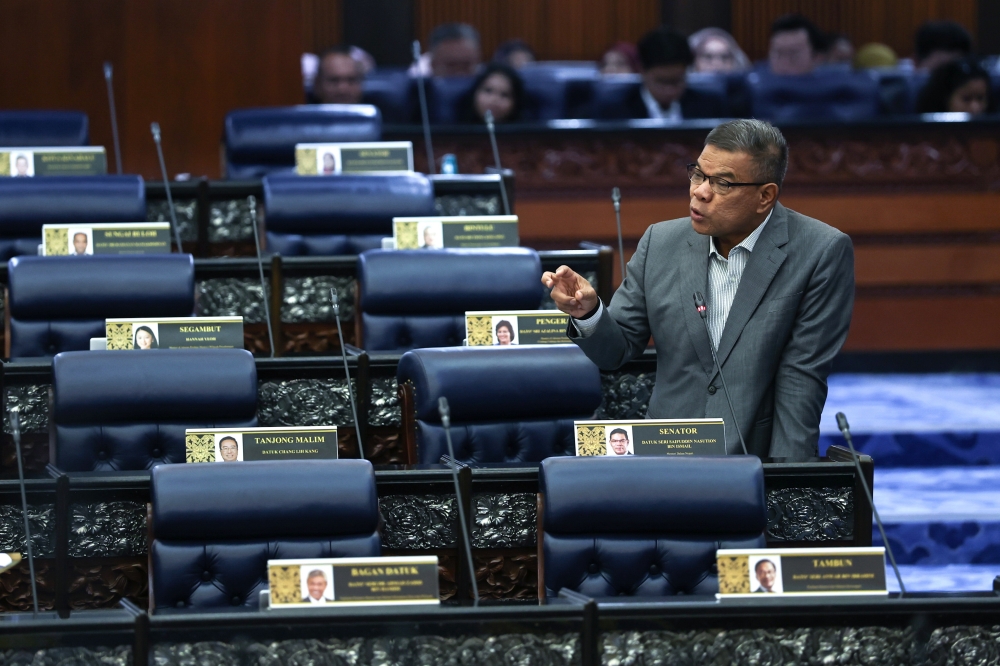
SUNGAI PETANI, Oct 13 — The Home Ministry will reach out to Japanese authorities to gather accurate details on the arrest of five Malaysians suspected of having been involved in a drug-related case in Japan. Home Minister Datuk Seri Saifuddin Nasution Ismail has directed Bukit Aman Narcotics Criminal Investigation Department (NCID) director Datuk Hussein Omar Khan to commence immediate action in order to ascertain the facts surrounding the incident.
Speaking to reporters following a Madani Town Hall session between Universiti Teknologi MARA (UiTM) Kedah students and himself today, he stated that comprehensive information on the event would be communicated to the media once it is received. The arrest took place at Haneda Airport in Tokyo last Saturday, with the suspects suspected of attempting to smuggle roughly five kilogrammes (kg) of cocaine, valued at ¥120 million (RM3.1 million).
According to Fuji News Network (FNN), customs officers had become suspicious of a suspect wearing shoes with notably thick soles, leading to the uncovering of the operation. The suspects were allegedly attempting to hide the drugs beneath the insoles of their shoes when boarding a flight from Kuala Lumpur International Airport (KLIA) and subsequently during customs inspections upon arrival in Japan.
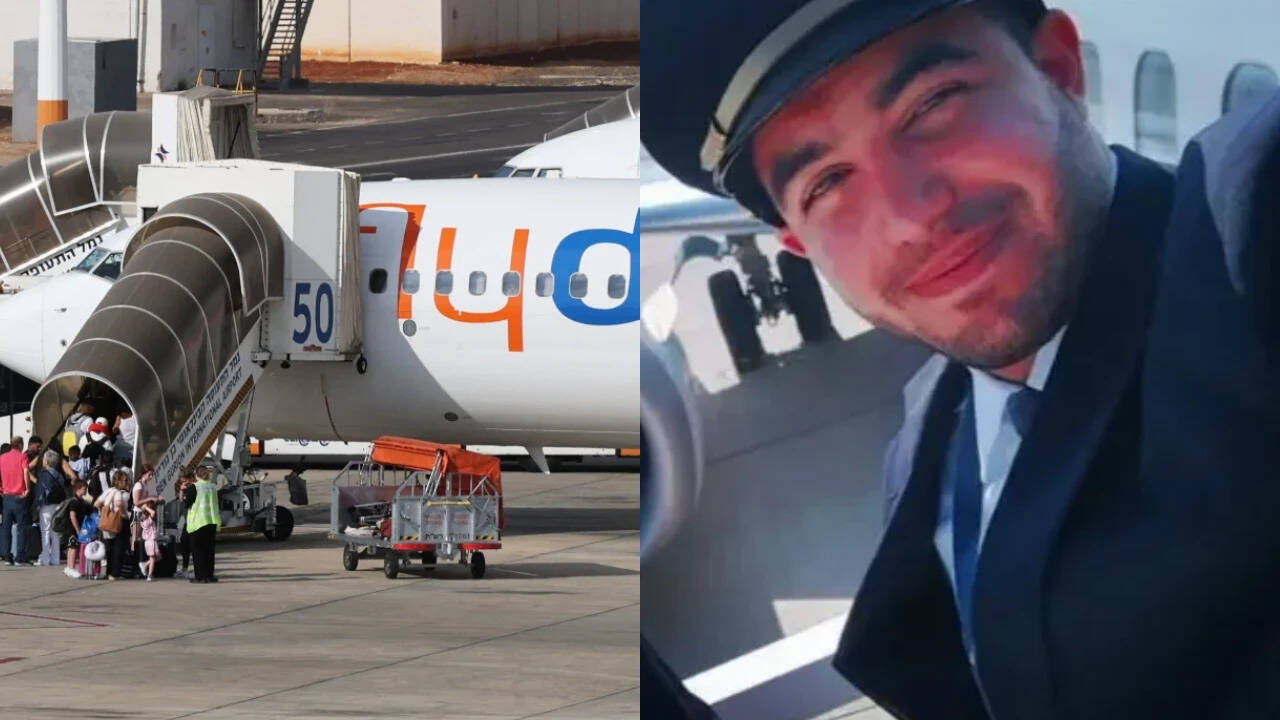
Saifuddin Nasution explained that the Home Ministry's decision aligns with the approach taken in a previous case involving the arrest of a Malaysian co-pilot in Jakarta and the seizure of 521 kg of drugs from a private jet in Laos, both of which were initially connected to Malaysia. Additionally, he affirmed that the implementation of 17 recommendations or initiatives proposed through a joint committee consisting of the Home Ministry and the Transport Ministry (MOT) aimed at enhancing security at KLIA and the country’s entry points would proceed as scheduled.
These initiatives would be executed in three phases, with the initial phase concentrating on high-risk destinations or hotspots. He mentioned that for destinations identified as 'hotspots,' thorough screening of passengers, including body and baggage checks, would be conducted on all 100% of passengers. Nonetheless, he emphasized that destinations in Japan, such as Tokyo, were not included in the initial list of hotspots.
Written by urgent.news from Malay Mail's reporting — not their text. Machine-written — may contain errors; check the original before relying on it.
This story
This is one outlet's version. Read the fullest account.