High-speed video reveals how honey bee stingers pump venom
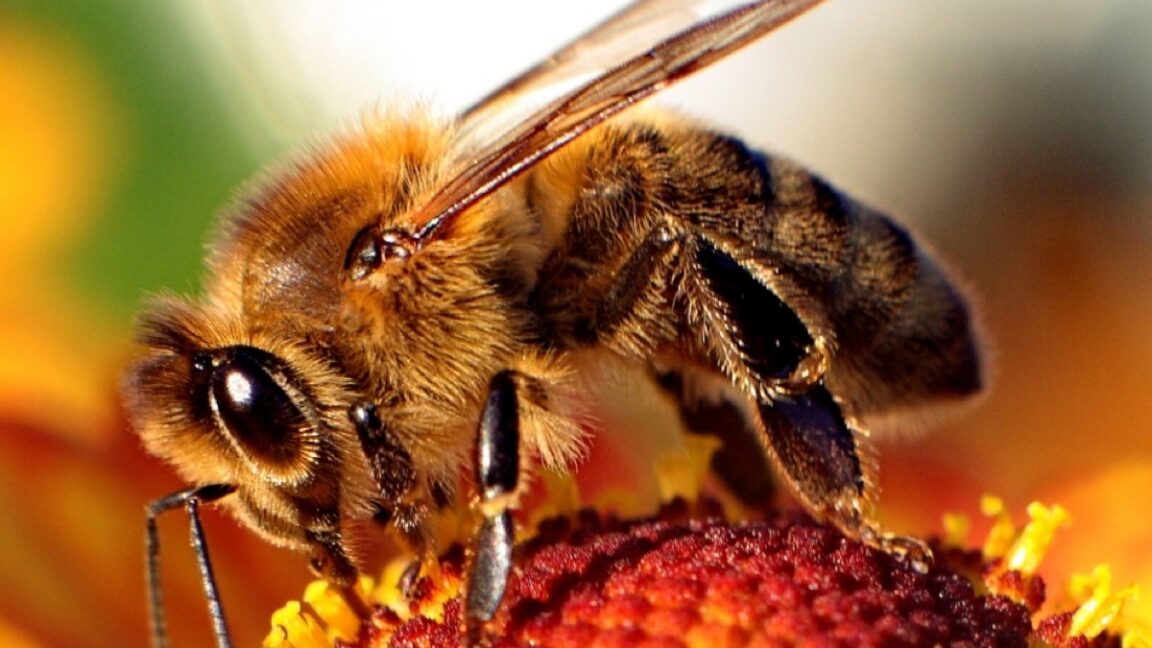
High-speed video reveals a fascinating mechanism by which honey bees continue to inject venom even after they have left the scene, according to a new study published in the Proceedings of the National Academy of Sciences. Typically, bees leave their stingers behind in the victim's flesh after stinging, and scientists have now determined that the stinger is capable of continuing the venom injection process autonomously.
The process is facilitated by a unique double-piston pump-like mechanism, a first-of-its-kind discovery among insects. This specialized stinger structure comprises three main interlocking elements: a stylet that widens to create the main pumping chamber, and two sharp-tipped lancets that slide back and forth, piercing the skin and propelling the venom into its target.
The researchers observed this process in real-time using high-speed video, providing unprecedented insight into the internal workings of the honey bee's venom delivery system.
Written by urgent.news from Ars Technica's reporting — not their text. Machine-written — may contain errors; check the original before relying on it.
This story
This is one outlet's version. Read the fullest account.
- High-speed video reveals how honey bee stingers pump venom arstechnica.com