High-speed video reveals how honey bee stingers pump venom
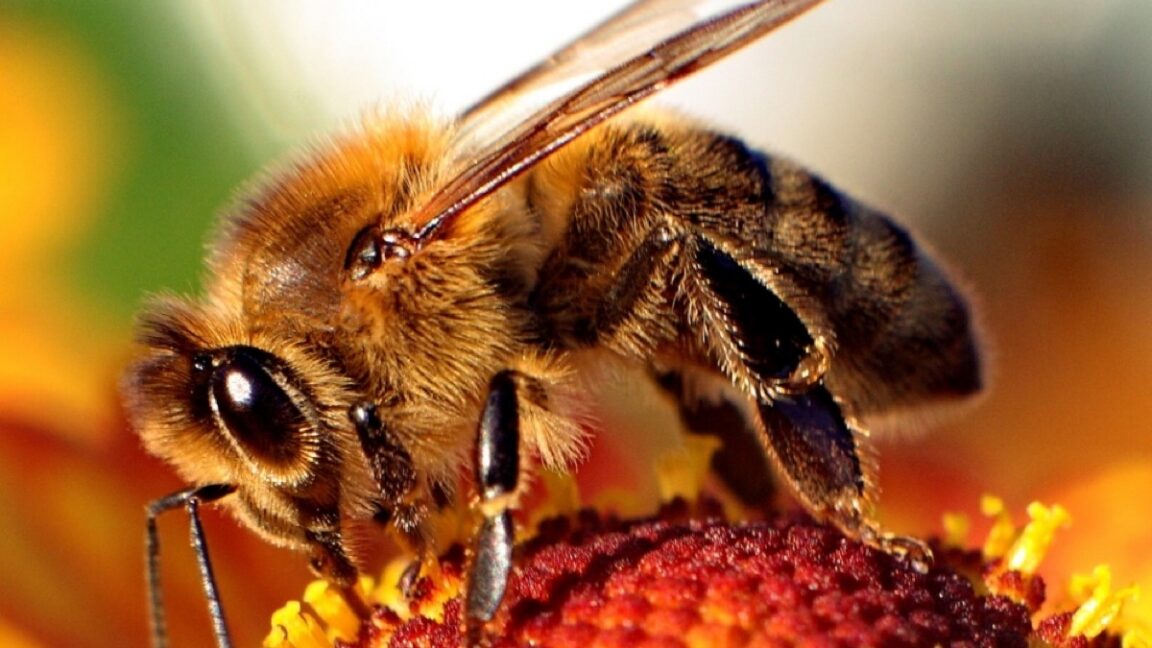
High-speed video analysis unveils the intricate mechanism by which honey bees pump venom into their targets even after the bee has detached from its stinger, according to a recent study in the Proceedings of the National Academy of Sciences. The research, conducted by Ramirez-Esquivel et al., reveals that the honey bee stinger employs a double-piston pump-like system to deliver venom.
This unique feature is found in honey bees (Apis mellifera) and sets them apart from other species like spiders, wasps, and ants, which utilize different methods to inject venom. The honey bee stinger consists of three interlocking elements that form the venom canal: a stylet that widens to create the main pumping chamber, and two sharp-tipped lancets that slide back and forth, piercing tissue and propelling venom.
The stinger's remarkable ability to continue functioning after being detached from the bee's body is a rare occurrence known as autotomy.
Written by urgent.news from Ars Technica Science's reporting — not their text. Machine-written — may contain errors; check the original before relying on it.