Googlebook gets a Linux terminal to help users build apps with AI
Googlebook is becoming a more capable development machine.
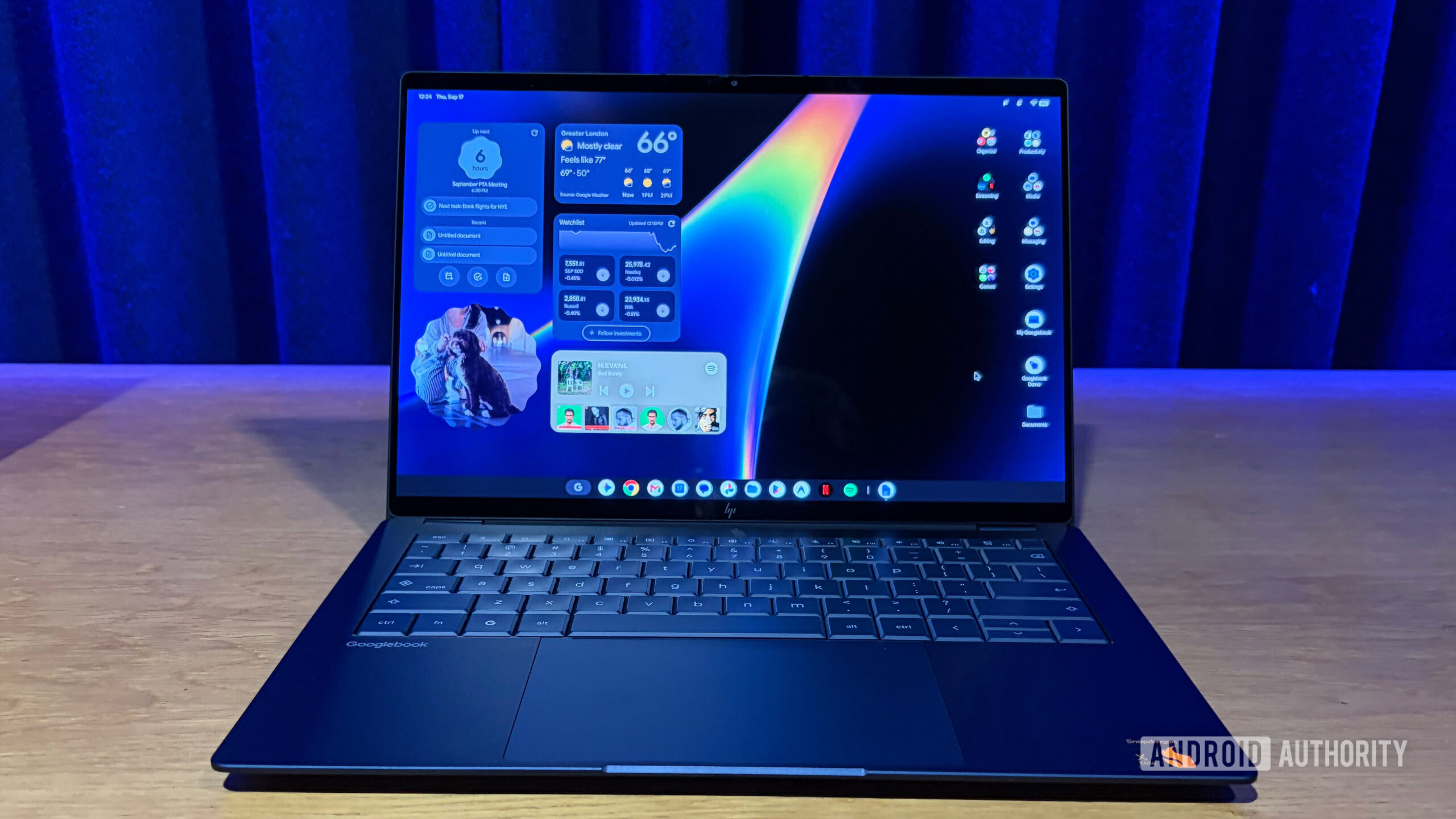
Google has unveiled a preview of a Linux terminal for its Googlebook operating system. This new feature aims to empower users to create applications and streamline tasks using artificial intelligence, even without prior coding knowledge.
The Linux terminal operates within a virtual machine, providing a secure environment to shield the primary Googlebook OS from potentially hazardous commands. Users have the option to grant AI tools, such as Google's Antigravity, elevated permissions inside this isolated space, without exposing their entire machine to risk.
Access to the terminal is currently granted in a preview mode. Users can interact with essential tools, including Python, Node.js, Git, and SSH, while Google has hinted at future enhancements that could include graphical user interface apps, USB debugging capabilities, dynamic scaling of memory and storage, and accelerated GPU and neural processing unit (NPU) processing.
To maintain user privacy, the terminal employs a one-click reset function, enabling users to begin anew without affecting their primary system files. Additionally, file sharing with the Linux virtual machine is restricted until explicitly authorized by the user, ensuring that sensitive data remains protected.
Written by urgent.news from Android Authority's reporting — not their text. Machine-written — may contain errors; check the original before relying on it.