Geld: Der Millionenerbe, der die Millionen nicht will
Kai Viehof hat den Großteil seines Erbes ausgeschlagen, auch vom Rest will der Enkel des Allkauf-Gründers das meiste weggeben. Über einen Mann, dessen Beruf es ist, sinnvoll Geld loszuwerden.
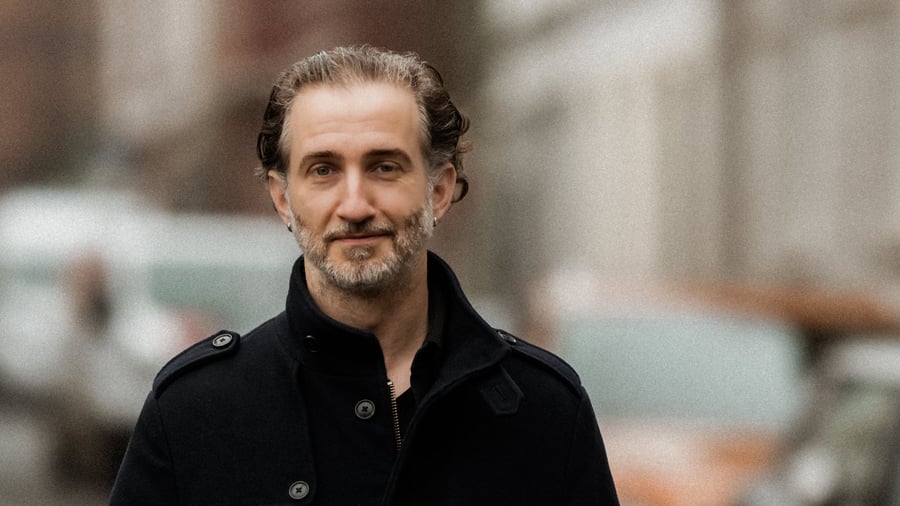
Kai Viehof, a self-made millionaire, is not your typical billionaire. Standing at only 5'7" with a thin build, he donned a black t-shirt and black shirt in a recent ARD talk show discussing inheritance. Viehof's reticence stood out amidst his more flamboyant counterpart, a similarly affluent electrical engineer from Neuss. Viehof's grandfather founded the retail chain "Allkauf" in the 1960s, which he sold to Metro AG for about a billion marks in 1998.
However, Viehof refused his share of the inheritance when it was his turn. At 44, he is a new face among the wealthy who prefer to distribute their wealth rather than accumulate more. Notable members of this group include Sebastian Klein, author of the book "Toxisch Reich," and Marlene Engelhorn, whose family is descended from the founders of the chemical conglomerate BASF.
Nearly half of private wealth is not earned but comes through inheritance or gifts, according to the German Institute for Economic Research. The US and China have more super-rich than Germany, with 27% of Germany's financial wealth coming from such sources. Viehof has decided to openly discuss the issue of wealth distribution, stating that questions about fairness are not simply dismissed as "jealousy debates."
Instead, he sees it as a central debate that everyone should address. This includes himself, leading him to donate over 80% of the earlier inheritance or invest it in socially beneficial enterprises. Born in 1979, Viehof made his fortune at the age of 17 when his family sold the company. He decided to donate his inheritance years before receiving it, but initially kept quiet about it due to internal conflict.
In his youth, he considered entering the field of development aid, recognizing the parallels between great wealth and great poverty. His father, like his grandfather Eugen, gifted him assets worth a moderate six-figure sum when he was young, unaware of the true value. He hesitated to reject the inheritance then, fearing the internal conflict that arose.
Now, at the age of 30, he has decided to donate his main inheritance, having been aware of the luxury of not having to make decisions with the funds. He sees it as a way to pass on wealth to future generations and prevent a situation where family members might go hungry. Viehof avoided a business relationship with his family and felt uncomfortable inheriting such a large sum without contributing anything in return.
He also questioned the idea of being entitled to such wealth when he had not earned it through his own efforts. After discussing this with his father, they agreed that the large inheritance should go to a charitable foundation, while Viehof retains a modest eight-figure sum for himself and his family. He intends to concentrate on the seven remaining figures of his fortune, donating it to enterprises that prioritize societal impact over profit.
Written by urgent.news from Handelsblatt's reporting — not their text. Machine-written — may contain errors; check the original before relying on it.
This story
This is one outlet's version. Read the fullest account.
- Money: The millionaire heir who doesn't want the millions handelsblatt.com