Cyber resilience key to Africa’s digital growth, Mastercard whitepaper finds
According to the reporty Africa has roughly 200,000 cybersecurity roles waiting to be filled, a shortage equal to 23% of its current cybersecurity workforce. The post Cyber resilience key to Africa’s digital growth, Mastercard whitepaper finds appeared first on KBC Digital .
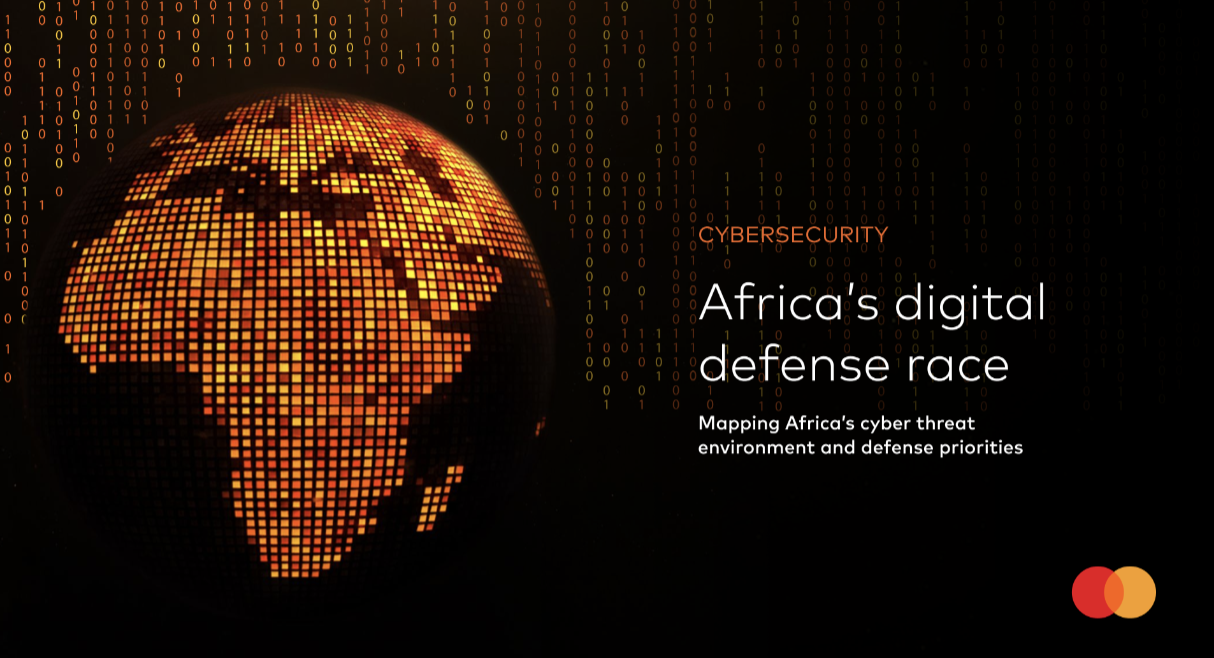
Africa's digital economy is experiencing rapid growth, presenting new opportunities for individuals, businesses, and governments. According to a newly released Mastercard whitepaper, Cyber resilience is crucial in maintaining this growth momentum. From 2016 to 2025, mobile money users surged 5.9 times, digital banking users increased 4.7 times, and the e-commerce market expanded 5.3 times.
Africa's digital payments economy is projected to reach $1.5 trillion by 2030, yet cyber threats are escalating at the same rate, revealing both risks and potential for strengthening governance, skills, infrastructure, and collaboration. Shabir Ahmed, Senior Vice President at Mastercard, emphasized that Africa's digital expansion brings real opportunities for its people and businesses, necessitating a coordinated and collective response to emerging threats.
Mastercard's Cyber Insights recorded 69,236 cyber events targeting African organizations in 2025, averaging one incident every eight minutes. Over the period of 2016-2025, cyberattacks across Africa surged by over 421%, compared to a 307% global increase. The whitepaper reveals varying cyber resilience priorities across Africa's digital landscape.
Nigeria, with its thriving fintech ecosystem, accounted for a significant portion of observed cyberattacks, while South Africa's financial sector faced 12.6% of the continent's attacks. Morocco has developed a more structured cyber governance framework. In Kenya, resilience needs to be bolstered around systems promoting financial inclusion and digital growth.
Three sectors—technology, public sector, and financial services—account for 44% of observed activity, highlighting the critical role of these high-value targets in Africa's digital expansion. Personal, financial information, and customer-facing services constitute 27% of targeted assets, underscoring the importance of protecting everyday users and businesses.
The whitepaper emphasizes talent as the most significant investment opportunity, noting that Africa requires around 200,000 cybersecurity roles, representing 23% of its current workforce. Mastercard's Africa Cybersecurity Center of Excellence fosters collaboration between public and private sectors to share threat intelligence, monitor risks, and enhance collective defense.
This coordinated approach becomes increasingly vital as Africa's digital economy continues to mature and grow.
Written by urgent.news from KBC's reporting — not their text. Machine-written — may contain errors; check the original before relying on it.