Cloud-based AIs are so 2026: Devices like the Otto One are the future
The Otto One mini computer brings local, privacy-first AI processing to your desk, while industry experts highlight how agentic AI is transforming workflows in South Africa.
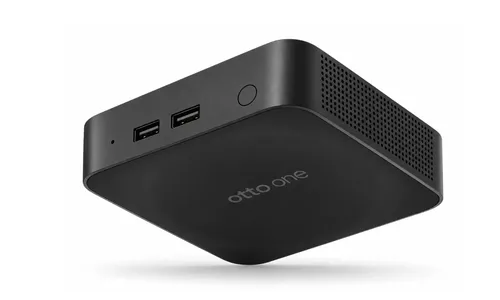
Artificial intelligence is advancing rapidly, but there is an increasing preference for processing data locally rather than relying on cloud-based services like Google Gemini and ChatGPT. To cater to this demand, Otto AI has introduced the Otto One, a compact computer designed for local AI workloads. Available in versions with either 8GB or 16GB of RAM and storage capacities of 256GB or 512GB, the device comes pre-installed with Otto OS.
This operating system is specifically engineered for always-on local execution, enabling full browser, app, and terminal usage, as well as seamless cross-device control.
What sets the Otto One apart is its emphasis on data privacy. Operating completely offline without the need for an internet connection, the device provides the most secure environment available for users who prioritize safeguarding their data while running AI agents. The Otto One is scheduled to launch in the United States in January 2027, with pricing details yet to be disclosed.
Meanwhile, Mick Amelishko, an AI Advocate at Sumsub, discussed the implications of agentic AI for South Africa's expanding adoption of the technology. Agentic AI, according to Amelishko, marks a significant shift in how we work with AI, moving beyond being mere assistants that assist with tasks such as checking writing or offering basic suggestions.
Today, AI possesses the capability to venture into the external world, consume live internet data, interact with various digital products, conduct independent purchases, register on websites, and engage directly with bank accounts, given appropriate permissions.
Written by urgent.news from IOL's reporting — not their text. Machine-written — may contain errors; check the original before relying on it.