Bonnie Jo Campbell Recommends Her Favorite Literary Ghost Stories
As a kid, I got easily spooked. We lived on the edge of a creaking, bubbling, swampy-dark woods; at night, my mom sang “The Unquiet Grave,” a haunting folksong where a young woman begs her dead lover to speak to
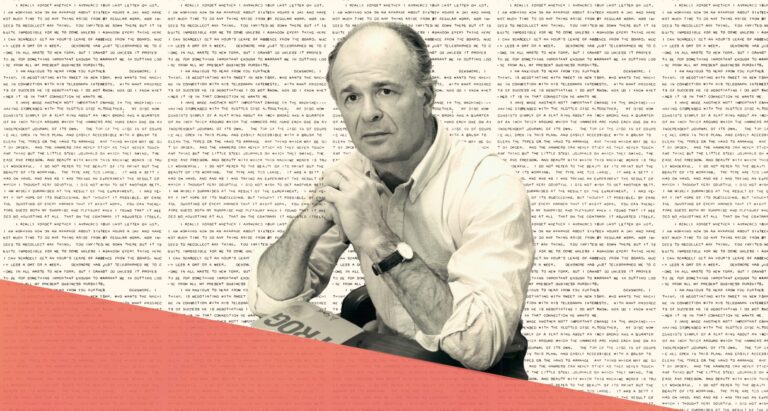
Bonnie Jo Campbell, a writer, once had a penchant for ghost stories. As a child, spooky sounds from the nearby woods and a haunting folksong her mother sang stirred her fear of the supernatural. However, she grew up to become a skeptic, convinced that most dangers originate from living humans, not ghosts. Instead, she pursued fiction writing and created a story titled "The Spirits" about a young farmgirl named Sister Whitby, responsible for her father's violent death.
The story takes place on Christmas Eve, the ninth anniversary of a traumatic event, which the Whitby family recalls differently. Despite knowing the event, Sister's memories are muddled, and her father is dead. Campbell faced a dilemma about incorporating ghosts into the story. While she initially resisted supernatural elements, she soon found her characters becoming haunted by a ghostly presence.
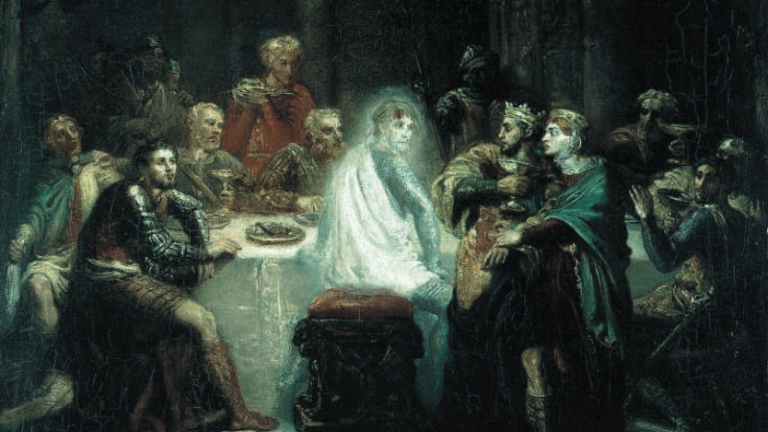
She then researched other literary ghosts to gain insight. Hamlet's ghost, for instance, demands action from the protagonist but could be seen as a manifestation of his conscience. Banquo's ghost, in Shakespeare's Macbeth, haunts the guilty party without their intervention, emphasizing the impact of fear and guilt. Marley's ghost in A Christmas Carol, a stern yet truthful figure, guides Scrooge towards redemption.
Similarly, the ghost of Beloved in Toni Morrison's novel haunts a wronged and powerful woman, demanding revenge. Lastly, the mysterious thumping in Poe's "The Tell-Tale Heart" suggests the presence of a haunting force driving the protagonist to confess. Campbell learned that ghosts could serve various narrative purposes, from driving plot to reflecting characters' inner turmoil.
Written by urgent.news from Literary Hub's reporting — not their text. Machine-written — may contain errors; check the original before relying on it.