Beyond the Flyer: Awareness without screening is not enough
Every October, our timelines turn pink. Flyers, posters, slogans and hashtags appear everywhere, reminding us that it is Breast Cancer Awareness Month. Many people share them with good intentions. But after speaking with several of those who make and post these messages, I noticed something troubling: most of them have never been screened themselves. This […]
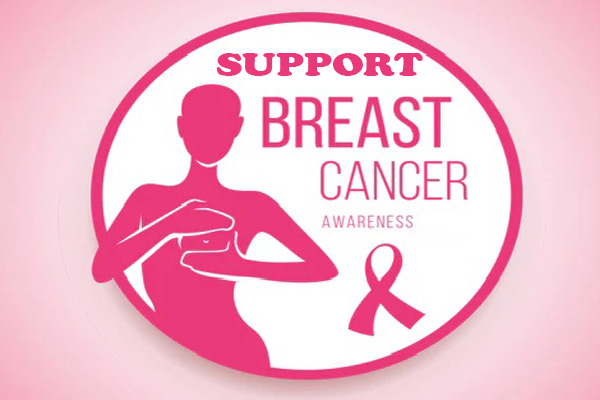
Every October, our calendars are adorned with pink to mark Breast Cancer Awareness Month. While many individuals share these representations with well-meaning intentions, it is concerning that a significant number of those spreading the message have not undergone screening themselves. This prompts a crucial inquiry: what is the true purpose of awareness campaigns?
They should serve as a catalyst, propelling individuals from awareness to action. Simply sharing a flyer thousands of times without prompting anyone to visit a healthcare facility does not translate into protection. If we post without following through, we are merely creating visibility, not ensuring safety. Posting without acting does not solve any problem.
We cannot expect others to embrace practices we are unwilling to adopt ourselves. A message advocating for screening holds greater weight when it emanates from someone who has personally undergone screening. Breast cancer is most effectively treated when detected in its early stages. Early detection often translates to less invasive treatment, improved outcomes, and a higher likelihood of survival.
Screening is vital because the disease can progress silently, without pain or obvious warning signs in its initial stages. Waiting until a lump becomes noticeable, painful, or visually distinct signifies that the disease has likely advanced. At this point, treatment becomes more challenging, costly, and less successful. Early intervention can significantly enhance these outcomes.
As a student who has studied Medical Laboratory Sciences at the University of Ghana, I am acutely aware of the importance of early screening in sustaining this care continuum. Its absence results in delayed initiation of the chain, thereby compromising the effectiveness of subsequent steps. Breast cancer affects not only women; men are also susceptible.
Anyone should regard unusual breast changes—such as lumps, swelling, skin alterations, nipple discharge, or persistent pain—as serious and promptly report them to a healthcare professional. I urge everyone to heed this call: if you are eligible and have never been screened, schedule an appointment with a professional for examination.
Share your experience; your story can dispel fear among others. In essence, pink ribbons and posters are merely stepping stones in the journey. The true indicator of a successful awareness campaign is not the number of individuals who viewed the flyer. Rather, it is the number of people who got screened, the cancers caught early, and the lives saved.
Let us reassess our current efforts and transform this year's activities from awareness to action. Embrace screening and encourage others to do the same. Early detection saves lives.
Written by urgent.news from MyJoyOnline Ghana's reporting — not their text. Machine-written — may contain errors; check the original before relying on it.