At a glance: Impacts of the public sector strike
Work and Technology Correspondent Brian O'Donovan explains the impact of the public sector strike.
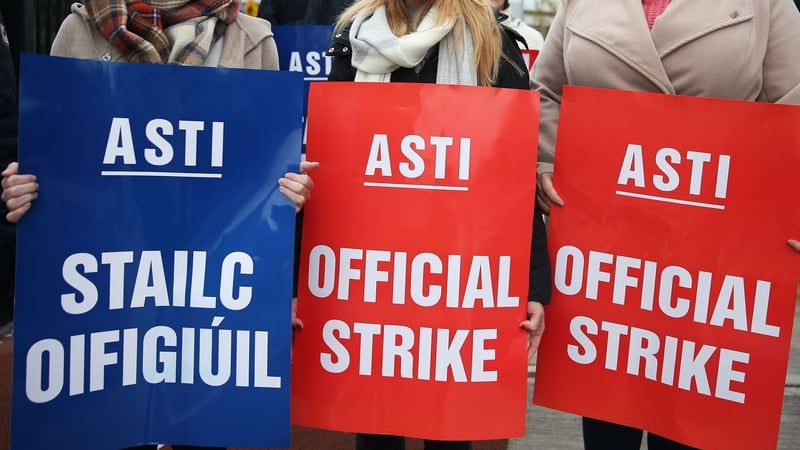
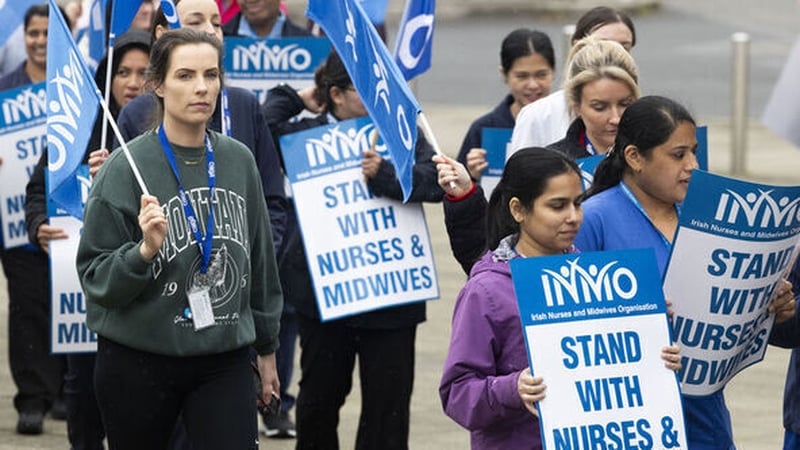
A nationwide 24-hour strike by over 300,000 public sector workers is set to disrupt various services across the country. The main teaching unions, including INTO, ASTI, TUI and IFUT, are participating, leading to school closures. Special Needs Assistants, represented by Fórsa, will also strike. Medical appointments are expected to be cancelled, with the HSE warning of significant disruption to many services, including non-urgent healthcare, waste management, street cleaning, court sittings, Dáil and Seanad sessions, and local authority operations.
However, emergency services like emergency departments, ambulance services, GPs, GPs out-of-hours, pharmacists, and urgent care treatments such as cancer treatment and dialysis will remain operational. Court cases involving emergency applications, Garda Síochána, and High Court injunctions to protect life, health, safety, or welfare will proceed.
The Government initially sought to allow Dáil sitting with picket line derogations, but opposition parties refused. NBRU acknowledges Dublin Bus and Bus Éireann employees are not striking but asks members not to cross picket lines. Driving tests, road safety authority staff participation in the strike is noted. Local authorities face severe service disruption, with libraries likely to close and litter bins and streets uncared for as the public is asked to clear waste.
Written by urgent.news from RTE News's reporting — not their text. Machine-written — may contain errors; check the original before relying on it.