Asian refiners set to make hay as Mideast exports pick up
Asian refiners look set to be among the biggest beneficiaries of a sustained recovery in Middle Eastern crude oil exports.
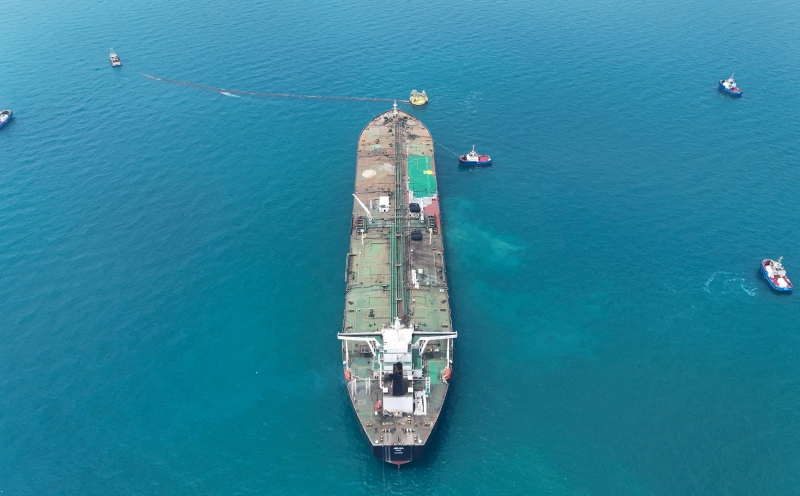
Asian refiners stand to gain significantly as Middle Eastern crude oil exports recover. Oil exports from the region have largely returned to pre-war levels, with weekly averages of about 18.11 million tonnes last month, according to Kpler. This recovery occurs despite damage to regional refineries, which have reduced capacity to less than half of pre-war levels.
Asia holds around 37 per cent of global refining capacity, making it well-positioned to capitalize on this demand. The gains are not limited to Asia, as refining margins have increased globally due to rising fuel prices. However, the Gulf's refineries remain impaired, meaning a larger share of the profits from Gulf crude exports will flow to Asia's refining hubs until the Gulf's capacity is restored.
Before the conflict, Gulf producers had invested heavily in refining capacity, seeking to increase value and reduce reliance on crude exports alone. The war has disrupted this strategy, with roughly 20 refineries damaged, taking over 2.3 million barrels per day offline. As a result, crude output and exports are expected to recover before refining capacity does.
Asia's refineries have reduced utilisation rates due to lower crude supplies and higher shipping costs, but there is potential for further expansion. India, in particular, is well-positioned to benefit, being close to Gulf export terminals and fuel-hungry markets in South and Southeast Asia. China, with the world's largest refining system, could also gain from increased utilisation rates and export activity.
As more crude is processed in Asian hubs, their importance to global fuel security, pricing, and trade flows will increase. This could lead to a shift in influence within oil markets, as the Gulf's share of global exports declines from nearly one-third to around 22 per cent.
Written by urgent.news from New Straits Times's reporting — not their text. Machine-written — may contain errors; check the original before relying on it.