Apple’s HomeView is nearly a decade late. That might not matter
Apple thinks you might want a screen in your kitchen or bedroom. It’s nearly a decade late to the party, with its $299 HomeView, announced on October 13, arriving nine years after Amazon unveiled the Echo Show, and eight after Google came out with its own Home Hub. But that tardiness doesn’t matter for the Cupertino tech giant, which has made its name by arriving with technology others have…
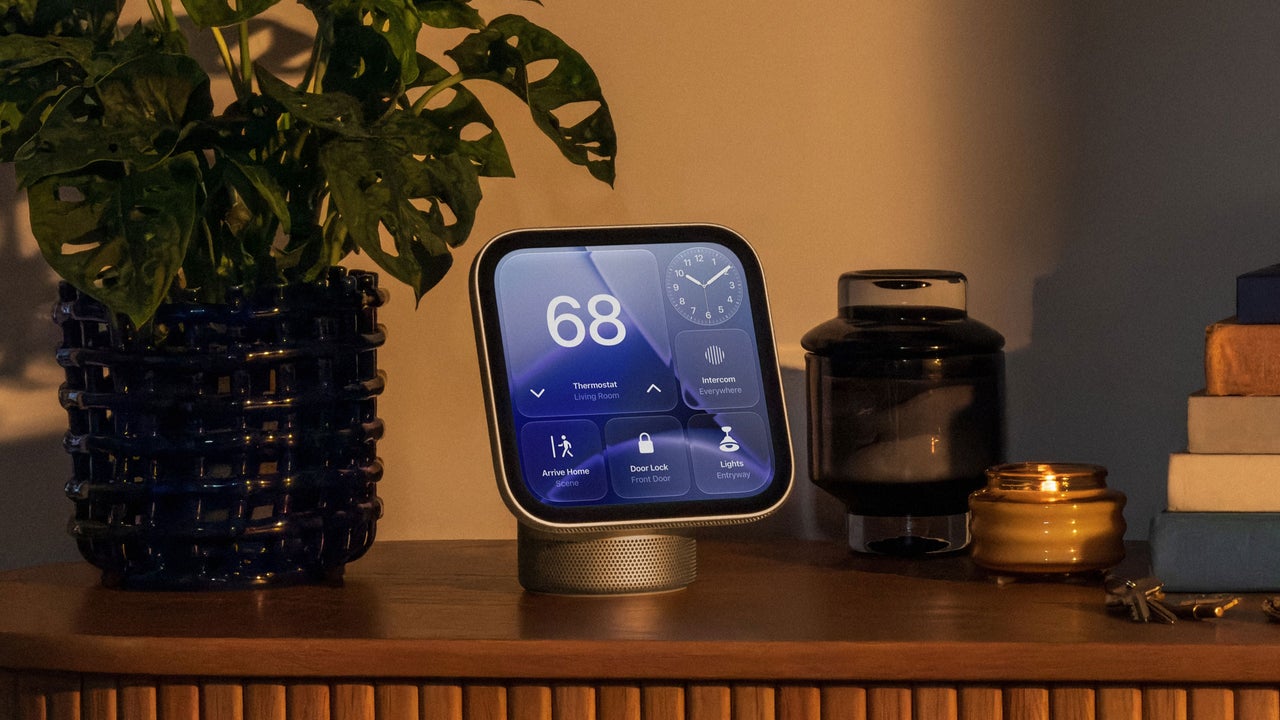
Apple unveiled its HomeView smart display on October 13, nine years after Amazon introduced the Echo Show and eight years after Google launched its Home Hub. Despite this significant delay, the Cupertino-based company remains confident that its HomeView could succeed due to its exceptional design and engineering.
Apple has a proven track record of entering markets late but making a strong impact through innovative design. This strategy has proven successful with the iPod, iPhone, Apple Watch, and AirPods, all of which have established a strong presence in their respective categories. The HomeView follows a similar approach, offering a seven-inch screen with tilting capabilities and facial recognition technology that can personalize information for up to six household members.
While other smart displays, such as Google’s Nest Hub Max and Amazon’s Echo Show, have similar capabilities, Apple’s HomeView boasts a sleek design and color-matched cables that are sure to appeal to its loyal fanbase. However, the HomeView falls short in certain features, such as remote home monitoring and sleep tracking through radar technology. Additionally, its price point is higher than competing products in the market.
Despite these limitations, analysts predict a decline in smart display shipments this year, suggesting that Apple’s HomeView could still find a significant market. This success is attributed to Apple’s business model of understanding consumer desires and delivering an elevated version of existing technology, rather than being the first to market.
Written by urgent.news from Fast Company's reporting — not their text. Machine-written — may contain errors; check the original before relying on it.