Applied Materials opens new $5B chip research facility to accelerate collaborative semiconductor innovation
Semiconductor industry giant Applied Materials Inc. today opened the doors to its Equipment and Process Innovation and Commercialization Center, a massive new $5 billion facility in Silicon Valley that’s set to enable the next wave of breakthroughs in the commercial chipmaking industry. The new EPIC Center, as it’s called, was built by Applied in order […] The post Applied Materials opens new $5B…
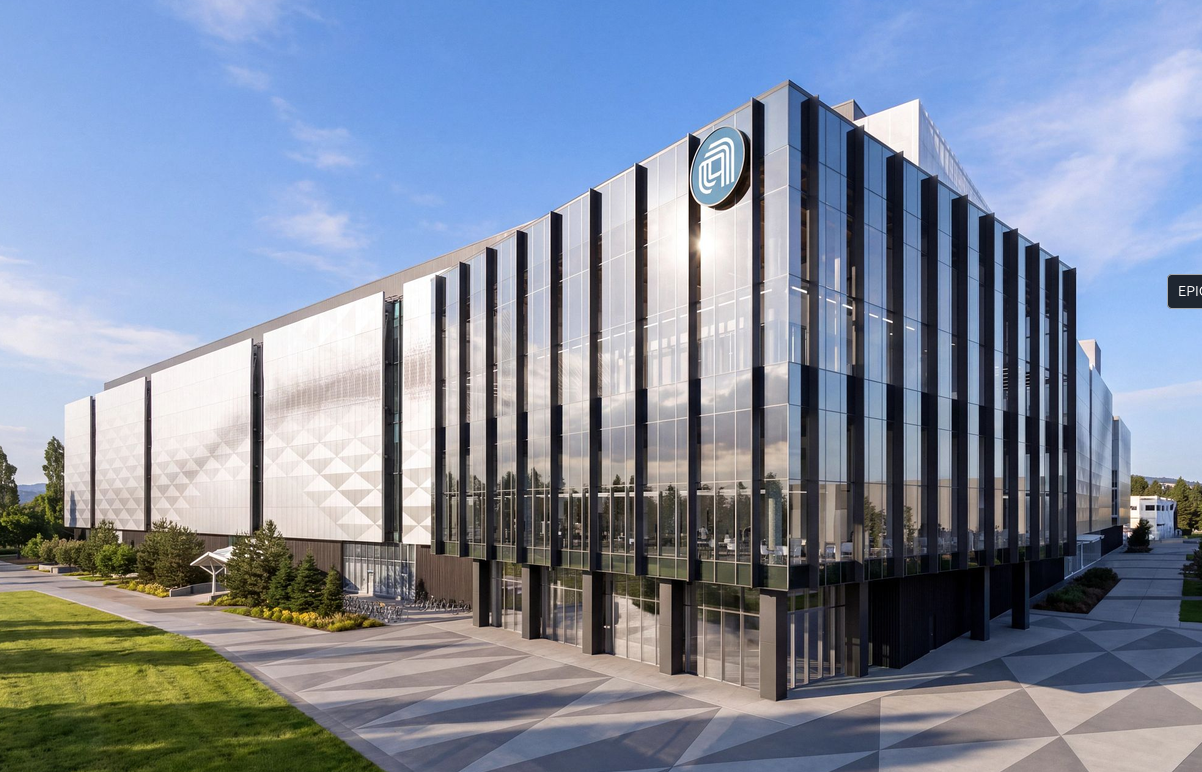
Applied Materials Inc. recently inaugurated the Equipment and Process Innovation and Commercialization Center, a $5 billion facility in Silicon Valley, aimed at driving advancements in semiconductor manufacturing. This state-of-the-art center, known as the EPIC Center, was constructed to facilitate collaborative research and development among top engineers from leading chipmakers, including Taiwan Semiconductor Manufacturing Co., Intel Corp., Samsung Electronics Co. Ltd., Micron Technology Inc., and SK hynix Inc. Additionally, innovation partners such as Broadcom Inc., Advantest Corp., and researchers from esteemed institutions like Stanford University, UC Berkeley, and UCLA, will contribute to the facility's objectives.
The EPIC Center spans over 600,000 square feet and encompasses nearly four acres of cleanroom space, equipped to support parallel, cross-industry R&D and expedite new innovation cycles. Applied Materials CEO Gary Dickerson emphasized that the goal is to reduce the research and development cycle by at least 30%, thereby accelerating time to market.
He highlighted that the facility will concentrate on five to ten key technologies, including 3D architectures, advanced packaging techniques, low-resistance wiring, and hybrid bonding, to optimize semiconductor performance and yield.
Intel CEO Lip-Bu Tan echoed Dickerson's sentiments, stressing the urgent need for collaboration in the chipmaking industry to leverage AI computing's multitrillion-dollar potential. He outlined a vision of more than a trillion transistors in a package by 2030, emphasizing that faster, closer collaboration is essential to meet these goals.
Applied's Semiconductor Products Group President Dr. Prabu Raja agreed, explaining that the collaborative approach will allow for the coordinated development and integration of new materials and technologies at an atomic scale, thereby increasing the success rate of innovative materials and technologies. He noted that by incorporating customer engineers' insights before products reach the manufacturing stage, EPIC ensures that newly optimized technologies are ready for high-performance and high-yield production.
Dickerson concluded that the EPIC Center could compress new development lifecycles by 30%, significantly enhancing energy-efficient computing compared to current standards. He expressed optimism about the potential breakthroughs that will impact healthcare, industrial production, education, and consumer electronics, including novel devices that could revolutionize human interactions and experiences.
Written by urgent.news from SiliconANGLE's reporting — not their text. Machine-written — may contain errors; check the original before relying on it.