Antarctic sea ice hits third-lowest winter maximum in satellite record
On September 14, Antarctic sea ice reached its peak extent, covering around 17.59 million square kilometres. However, this year marks the third lowest maximum on record, indicating a concerning trend as it falls below the long-term average. The past four winters have each presented historically low sea ice levels, raising urgent questions about future climate impacts driven by this alarming…
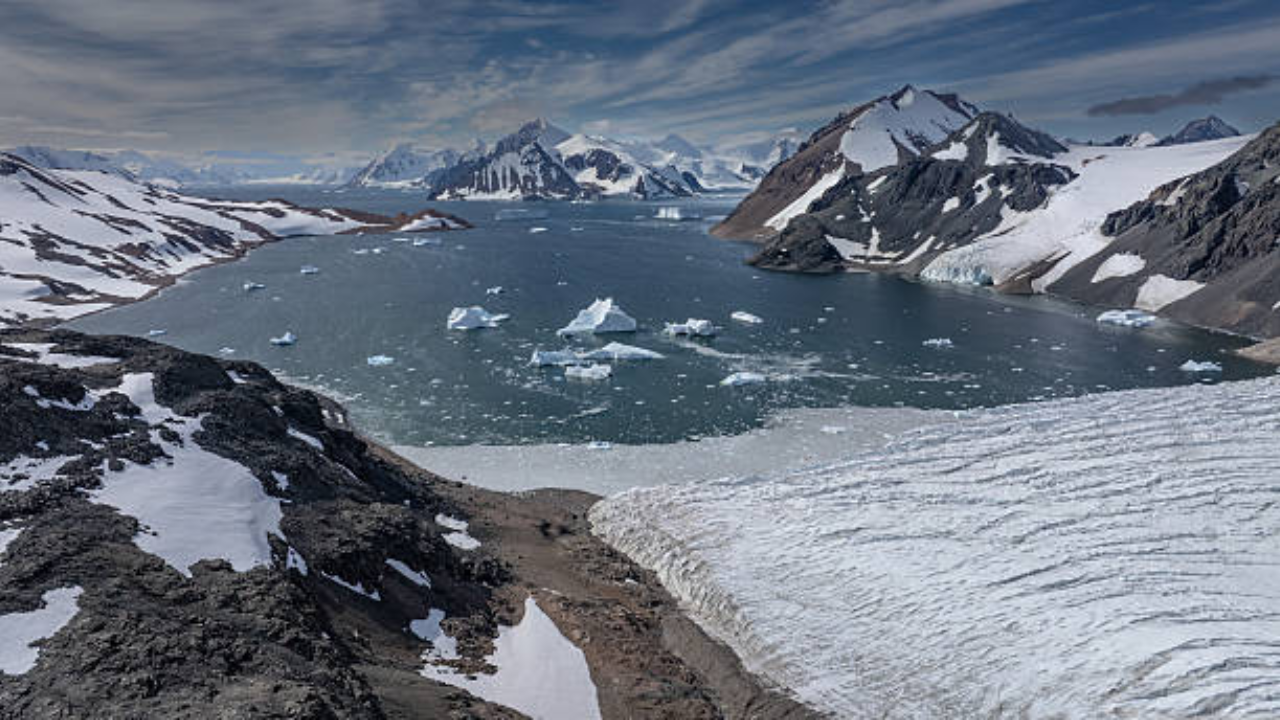
Antarctic sea ice levels reached their third-lowest maximum in satellite records on September 14, according to NASA and the National Snow and Ice Data Centre (NSIDC). The ice covered an estimated 17.59 million square kilometres, falling short of the long-term average by a million square kilometres, or nearly 400,000 square miles.
Scientists noted that the four lowest years on record for Antarctic sea ice all occurred in the past four years. Dr. Walt Meier, a senior scientist at NSIDC, stated that the centre had postponed declaring the maximum due to potential variability in the sea ice cycle. Unlike the Arctic, the Antarctic is a large continent surrounded by an ocean, which allows the ice to expand during winter but also exposes it to warmer latitudes, leading to more melting during summer.
Dr. Ariaan Purich, a Southern Ocean expert at Monash University in Melbourne, emphasized that the past four winters have seen the lowest sea ice maximum on record, indicating a significant change in the system. Antarctic sea ice has been declining since 2016, with both the record low minimum and record low maximum occurring in 2023.
Scientists will continue to monitor the situation to determine if the decline is part of a long-term trend or a statistical fluctuation. Sea ice extent is determined using satellites equipped with passive microwave sensors that measure the microwave energy emitted by Earth. Sea ice emits more of this energy than open water, making it visible in microwave images, even in the presence of clouds.
Written by urgent.news from Times of India's reporting — not their text. Machine-written — may contain errors; check the original before relying on it.