Why Do People Walk Barefoot During Navratri? Know Significance Behind Not Wearing Footwear For The Nine-Day Festival
Shardiya Navratri is a festival of devotion, prayer and spiritual discipline, with devotees worshipping Goddess Durga and her nine forms over nine days. In 2026, the festival began on October 11, and the main Navratri observance will conclude on October 19, followed by Vijayadashami on October 20. Alongside fasting and daily puja, one custom seen among some devotees is avoiding footwear. While…
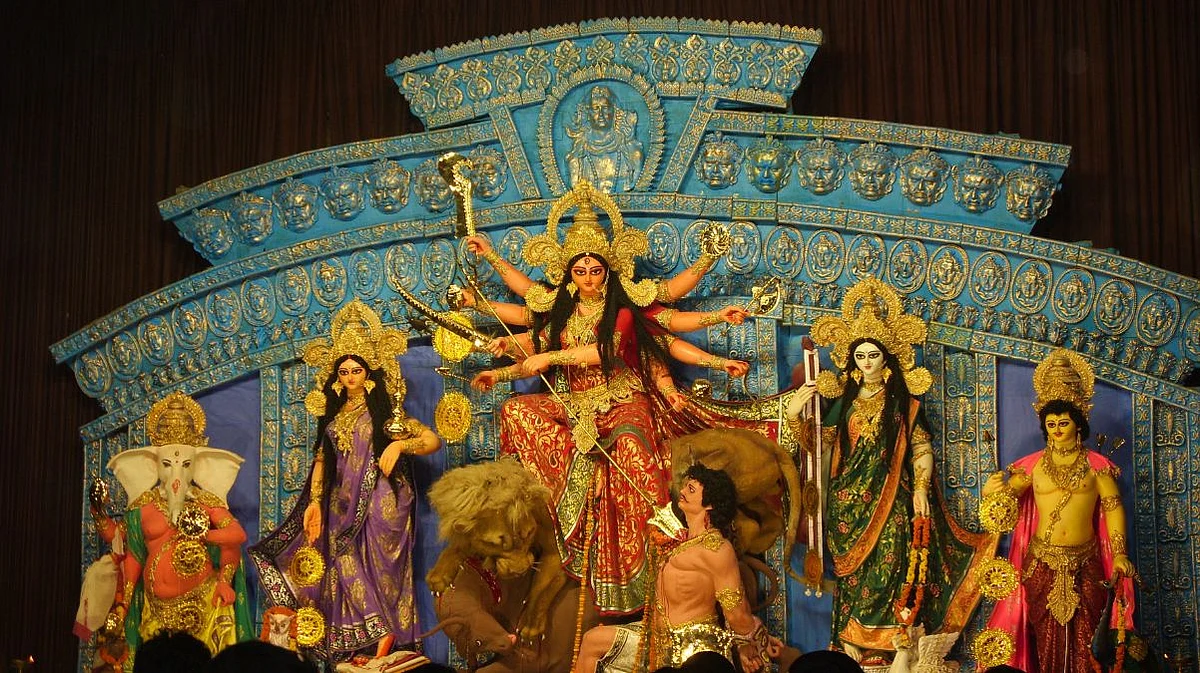
Shardiya Navratri, a time of devotion, prayer and spiritual discipline, sees devotees worshiping Goddess Durga and her nine revered forms. In 2026, the festival began on October 11 and concluded on October 19, with Vijayadashami on October 20. One custom observed by some is going barefoot for the nine-day observance. This practice, while not mandatory for all, holds religious significance for those who adhere to it.
For many devotees, the decision to walk without shoes during Navratri is rooted in maintaining the sanctity of the period dedicated to worship. Hindu scriptures discourage the use of leather footwear, considering it unsuitable for certain religious observances. Some devotees also choose not to wear any footwear as a sign of respect and humility.
In Hindu culture, it is customary to remove shoes before entering places of worship and other sacred spaces. These include temples, prayer rooms, areas with sacred fires, cow shelters, meal-serving areas, and spaces used for mantra chanting. These practices underscore the value placed on cleanliness and respect within these settings.
The barefoot custom during Navratri 2026 can also be seen as a personal expression of surrender and dedication to Goddess Durga. By voluntarily giving up a common comfort, devotees may strengthen their commitment to prayer and spiritual discipline during the festival. For some, walking barefoot fosters a deeper connection to the earth, as direct contact with the ground serves as a reminder of their place within the natural world.
It is important to note that avoiding footwear is not compulsory during Navratri fasting. The observance varies across regions, families, and individual religious practices. While many devotees remove their shoes before entering temples or performing puja, others maintain a barefoot stance for extended periods throughout the festival. Ultimately, this custom is an expression of personal faith, not a rule that every devotee must follow.
Written by urgent.news from Free Press Journal's reporting — not their text. Machine-written — may contain errors; check the original before relying on it.