Why China is likely to be cautious about recent Trump-Putin diesel deal
China is likely to view the latest US dealings with Russia as “transactional”, according to observers, who said Beijing was likely to wait and see what the longer-term impact would be given the possibility that Donald Trump might abruptly change course again. The US president announced that under a deal with Vladimir Putin, Russia would “immediately” supply more than 300,000 tonnes of diesel to…
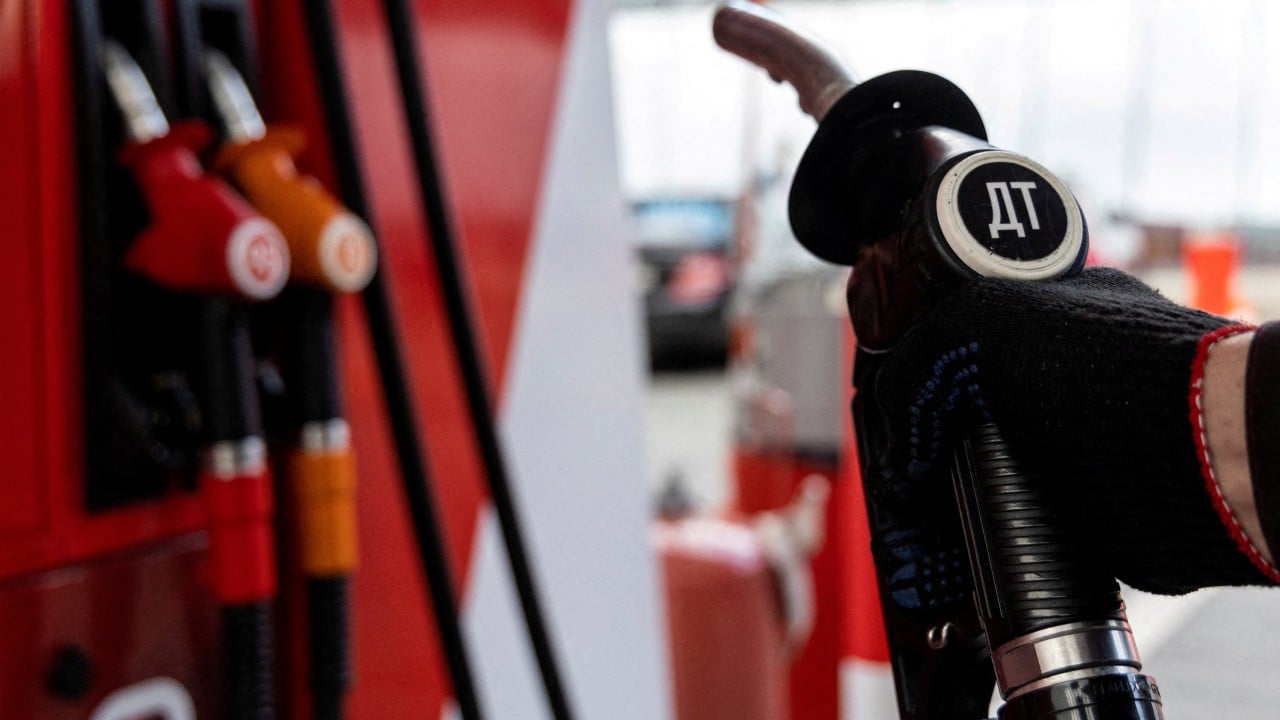
Observers suggest China is likely to approach the recent US-Russia diesel deal with caution, as Beijing may await the long-term consequences of the agreement. Following Trump's announcement that Russia would supply over 300,000 tonnes of diesel to the US and global markets, analysts noted the deal could signify either a temporary fix driven by domestic political concerns or the beginning of a broader effort to dismantle Western sanctions.
The deal came shortly after Trump signed the Graham Sanctioning Russia and Iran Act, which allows him to penalize major buyers of Russian energy. President Trump also mentioned an "energy ceasefire" with Ukraine, but Ukraine denied knowledge of it. Beijing's stance on the Ukraine crisis was clear, and Chinese experts expected China to monitor the deal's development.
Cui Hongjian of Beijing Foreign Studies University stated that China was likely to wait and see how the situation evolves, as well as whether Russia uses the deal as a stepping stone to challenge Western energy sanctions. Zhang Chi, a researcher at the University of Hong Kong, suggested the deal was "self-contradictory" and reflected the selectivity of the US approach.
However, he added that the Graham Act could still be used as a bargaining tool in talks with Russia, China, and India. Ukrainian President Volodymyr Zelensky criticized the deal, arguing that any easing of sanctions without a lasting de-escalation agreement was a "clear weakness." Ma Bo, a researcher at Nanjing University, believed the deal was a transactional move by Trump, possibly a one-time offer, and could be adjusted after the midterm elections.
Written by urgent.news from Reuters Business via SCMP's reporting — not their text. Machine-written — may contain errors; check the original before relying on it.