5 Steps to Take Right Now
I have no idea when the bull market that began in March 2013 will end. Market volatility is rising; gains are narrowing; bonds are selling off; domestic politics are bad, and geopolitics are worse. Secular bulls typically run 10 to 20 years – think 1982 to 2000 as the prior major bull.… Read More The post 5 Steps to Take Right Now appeared first on The Big Picture .
The bull market that began in March 2013 remains uncertain in timing, as market volatility and gains are narrowing. Bonds are selling off, domestic politics are challenging, and geopolitics are worsening. Two significant wild cards complicating the outlook are the massive fiscal stimulus from pandemic relief and the potential impact of artificial intelligence.
While it is difficult to estimate how much these factors may extend the bull market's duration, it is clear that the start of this bull is likely further away than its end.
Investors should consider rebalancing their portfolios to reduce overweighting in equities and increase fixed income allocations. Since the market lows in 2009, stocks have outperformed bonds, particularly in the years 2023-2026. Rebalancing can be done by moving funds from qualified tax-deferred accounts like IRAs and 401(k)s to underweight fixed income assets, while being mindful of tax implications in taxable accounts.
Reducing portfolio concentration and redundancy is another important step. Many investors end up with portfolios dominated by a handful of stocks or funds, often chasing hot trends. Simplifying the portfolio by concentrating on the least expensive funds and eliminating redundant holdings can help maintain diversification while lowering risk.
Eliminating unnecessary holdings, such as poorly performing investments, unproven recommendations, or redundant assets, can also improve an investor's financial situation. In a back-to-back secular bull market, it is crucial to clear out the "junk" in one's portfolio to ensure that the remaining holdings perform well during market downturns.
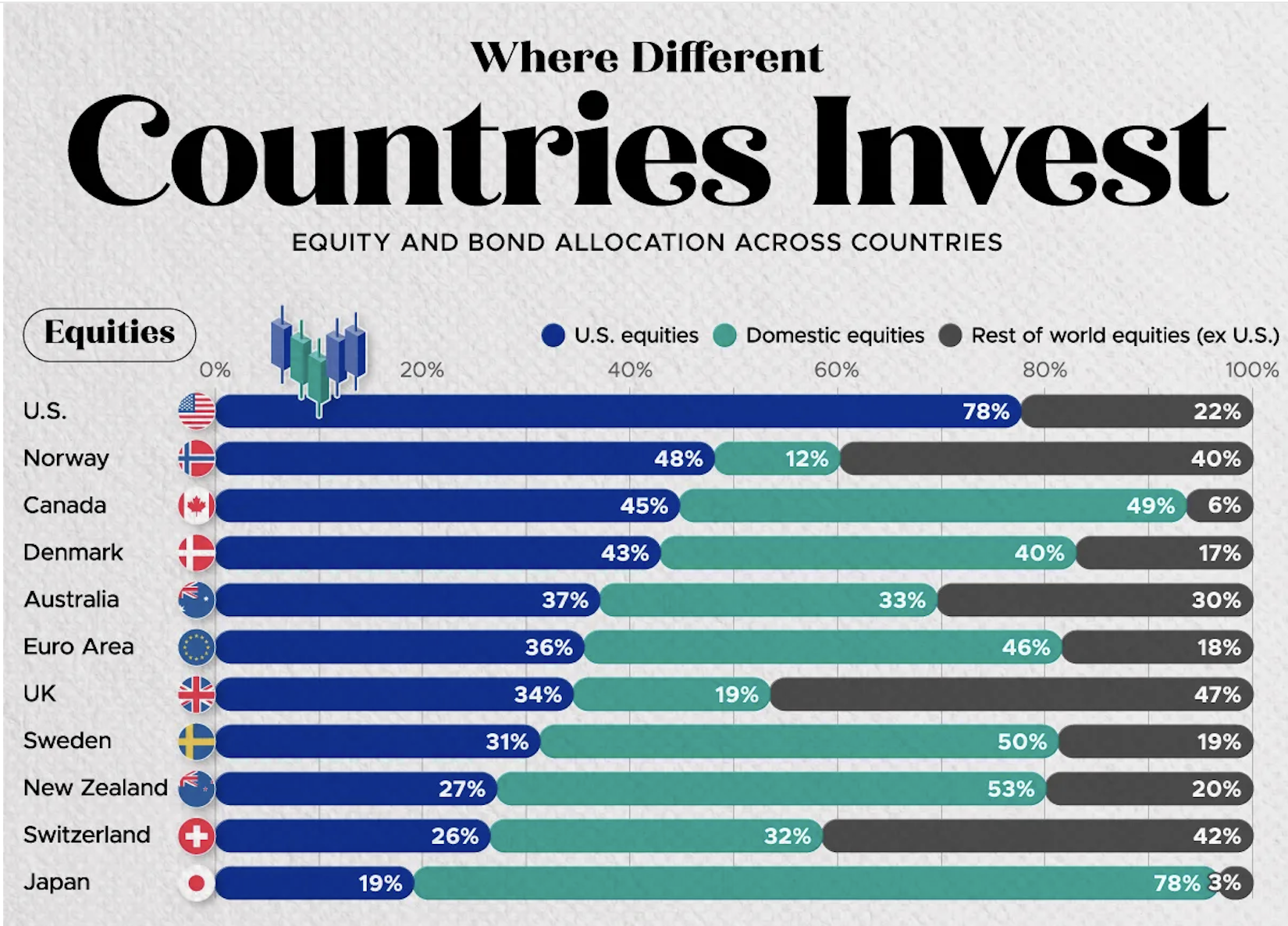
Lastly, investors should be aware of home country bias, or the tendency to overweight stocks from their home country. This bias has been observed since the 1990s and has resulted in U.S. investors holding a disproportionate share of their equity exposure domestically. While the U.S. has performed well relative to other countries since 2009, it may be beneficial to diversify into international markets to mitigate risk.
Written by urgent.news from The Big Picture's reporting — not their text. Machine-written — may contain errors; check the original before relying on it.