‘What do I do when blood sugar level is 278?’
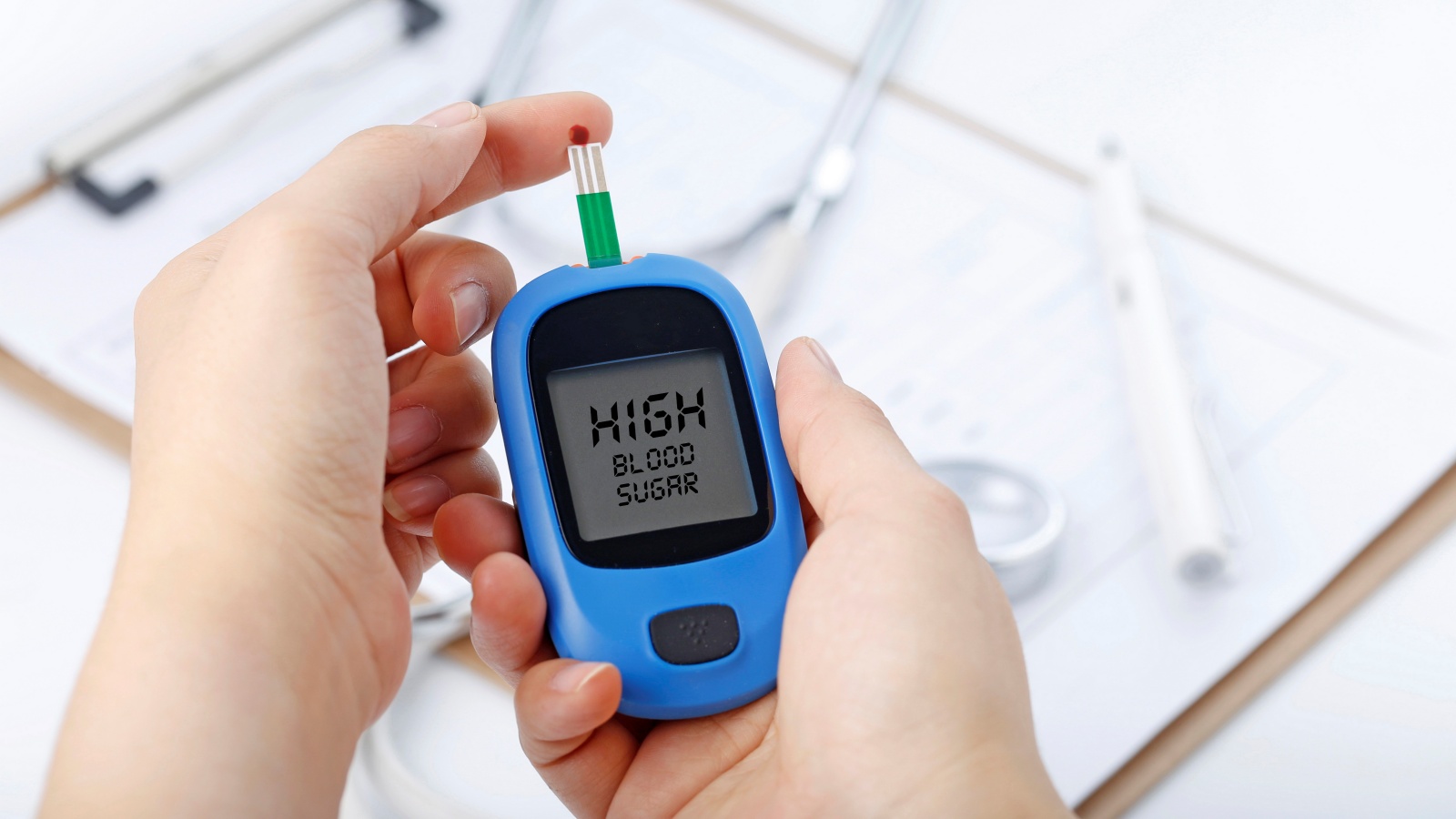
Blood sugar levels can change throughout the day based on several factors like meals, medication, physical activity, illness, and stress. One Quora user asked, "What do I do when blood sugar level is 278?" A diabetes specialist, Dr. Aarti Ullal, explained what this elevated reading means and the immediate steps to take. This specific reading of 278 mg/dL signifies hyperglycemia, a condition where blood sugar levels are significantly higher than normal.
Dr. Ullal emphasized that a single reading should not be ignored, but it should be rechecked and considered alongside the person's symptoms and diabetes history. Immediate actions include confirming the reading by retesting with a new strip, staying hydrated with water (if instructed by a doctor), and avoiding sugary foods and drinks.
It's also crucial to monitor glucose levels as advised by a healthcare professional. If the reading remains high or symptoms appear, contacting a doctor promptly is recommended. The timing of the reading is important; a post-meal reading should be evaluated in relation to the person's usual glucose patterns and medication plan. A level of 278 mg/dL is considered high regardless of whether it's fasting, pre-meal, or post-meal, though the interpretation might differ.
A reading of 278 mg/dL becomes more concerning if accompanied by symptoms like severe thirst, frequent urination, vomiting, abdominal pain, weakness, confusion, drowsiness, or difficulty breathing. In such cases, immediate medical attention is necessary. Dr. Ullal cautioned against following online advice blindly, especially regarding exercise; it should be avoided if ketones are present or if the person feels unwell.
Eating extra carbohydrates is generally not recommended unless directed by a healthcare provider. Individuals on diabetes medication or insulin should not self-administer extra doses without specific correction plans and should follow their prescribed treatment and consult their diabetes care team if the sugar remains high. Sudden spikes in blood sugar can occur due to various factors such as illness, infection, stress, missed medication, dietary changes, reduced physical activity, dehydration, or changes in insulin requirements.
Some medications, like steroids, can also elevate blood sugar levels. If frequent readings around 278 mg/dL occur, consulting a doctor is advised to review fasting and post-meal glucose patterns, HbA1c, medications, diet, activity levels, and potential triggers. Keeping a record of glucose readings, meal timings, medications, and symptoms can assist the doctor in assessing the pattern.
Written by urgent.news from The Indian Express's reporting — not their text. Machine-written — may contain errors; check the original before relying on it.
Also reported by 1 other outlet
- ‘What do I do when blood sugar level is 278?’ indianexpress.com